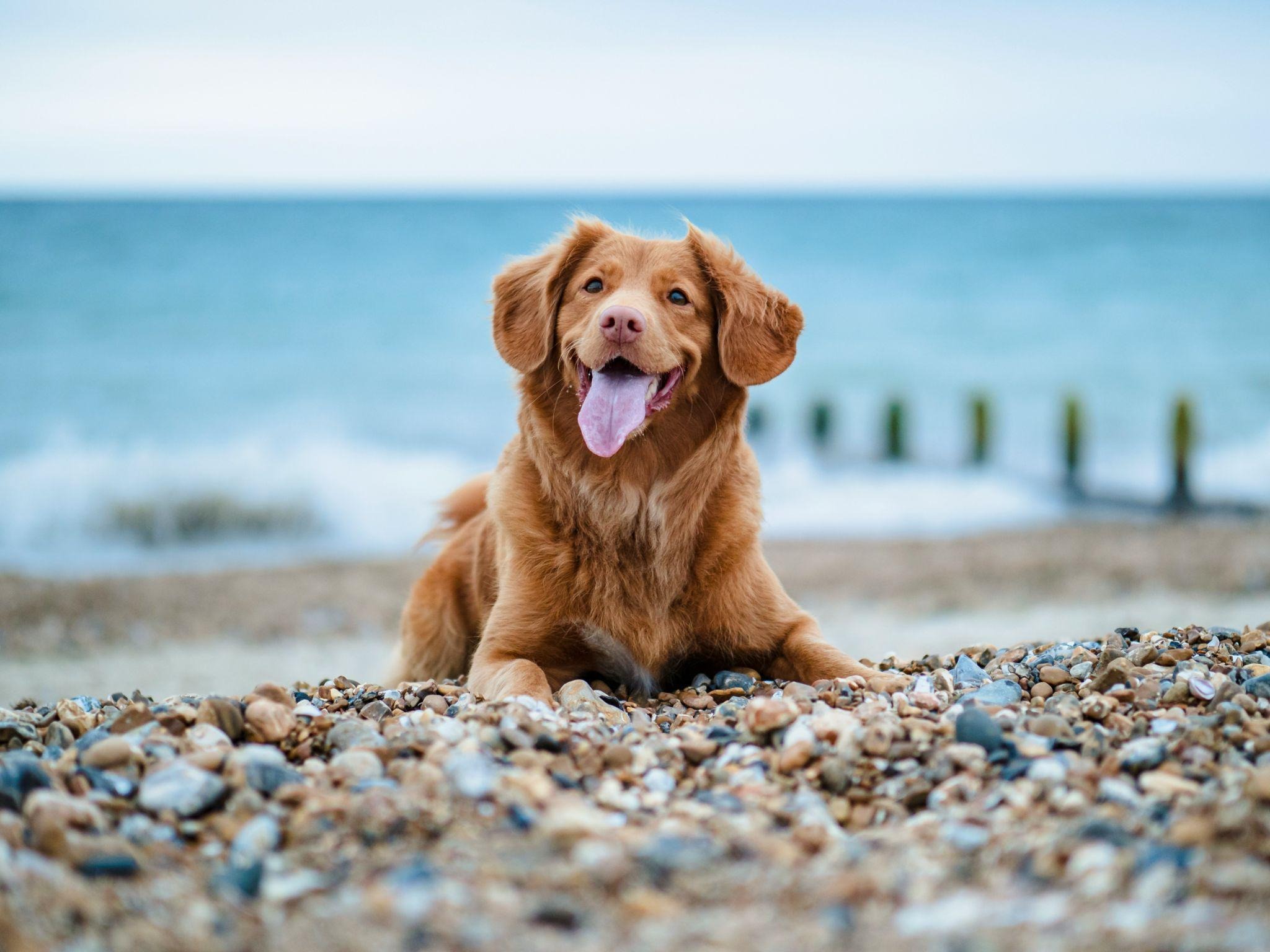
While living by the coast is an ideal setting for many pet owners, not every dog breed is naturally suited for coastal environments. Choosing the right dog for this lifestyle requires careful consideration of various factors. Here are a few valuable tips to help you make the best choice for you and your future furry companion.
Coastal regions often come with high humidity, salty air, and fluctuating temperatures. These environmental factors can significantly affect a dog’s comfort and health. Breeds with thick, heavy coats may struggle in humid conditions, while those with shorter or low-shedding coats often adapt more easily.
Sand and saltwater can irritate a dog’s paws and skin. Choosing a breed with resilient skin and manageable grooming needs can make a big difference in maintaining their overall well-being.
Coastal living encourages an active lifestyle; long beach walks, swimming, and outdoor play are part of daily life. Dogs with high energy levels typically thrive in these settings, as they have ample opportunities to burn off energy.
However, it’s important to match a dog’s activity needs with your own routine. If you enjoy regular outdoor adventures, an energetic breed may be a perfect fit. On the other hand, if you prefer a more relaxed pace, consider a breed that enjoys shorter walks and indoor downtime activities.
Your living situation plays a key role in selecting the right breed. Coastal homes range from compact apartments to spacious houses. Smaller breeds may adapt well to limited indoor space, while larger breeds often need more room to move and play.
Keep in mind that even smaller dogs benefit from outdoor time, especially in a coastal setting where stimulation is abundant. The goal is to find a balance between your home environment and your dog’s physical needs.
Sand, salt, and moisture can take a significant toll on a dog’s coat. Breeds that require minimal grooming or have coats that resist tangling are often easier to care for in coastal areas. Regular bathing and brushing will still be necessary, but choosing a low-maintenance breed can simplify your routine.
For instance, many dog owners opt to get a merle poodle from villa crest puppies, as they’re less prone to heavy shedding, making them ideal for beachside living.
Coastal communities are often lively, with plenty of people, other pets, and outdoor activities. A dog with a friendly and adaptable temperament will be more comfortable in these social settings.
Look for breeds known for being sociable, trainable, and calm in busy environments. Early socialization and training are also crucial, regardless of breed, to ensure your dog feels confident and well-behaved in public spaces.
Certain breeds are more prone to specific health issues that can be aggravated by coastal conditions. For example, dogs with flat faces may struggle in heat and humidity, while others may be more susceptible to skin irritations.
Before choosing a breed, make sure to research the common health concerns and consider how the coastal environment might impact them. Regular veterinary care and preventive measures can help keep your dog healthy and happy.
Choosing the right dog breed for coastal living is about more than aesthetics; it’s about compatibility with your environment and lifestyle. By considering climate, activity level, grooming needs, and temperament, you can find a companion that will thrive by the sea.
A well-matched dog will not only adapt to coastal conditions but will also enhance your daily life. Remember to take your time, do your research, and you’ll be rewarded with a loyal companion perfectly suited to life by the coast.