Warehouse operations depend heavily on the seamless transfer of goods from trucks to the facility floor. Every day, thousands of loading bays see massive amounts of freight moved by forklifts, pallet jacks, and warehouse personnel. While this process might seem routine, the intersection of heavy machinery, large commercial trucks, and busy workers creates an environment prone to severe accidents. Ensuring absolute safety at this critical junction is paramount for any successful logistics operation.
A major element of securing this environment involves locking the trailer firmly in place before any material handling equipment enters it. When a truck backs up to a dock, the transition plate or dock leveler bridges the gap between the building and the trailer bed. If the truck shifts or pulls away prematurely, the results can be catastrophic for the forklift driver inside or the personnel standing nearby.
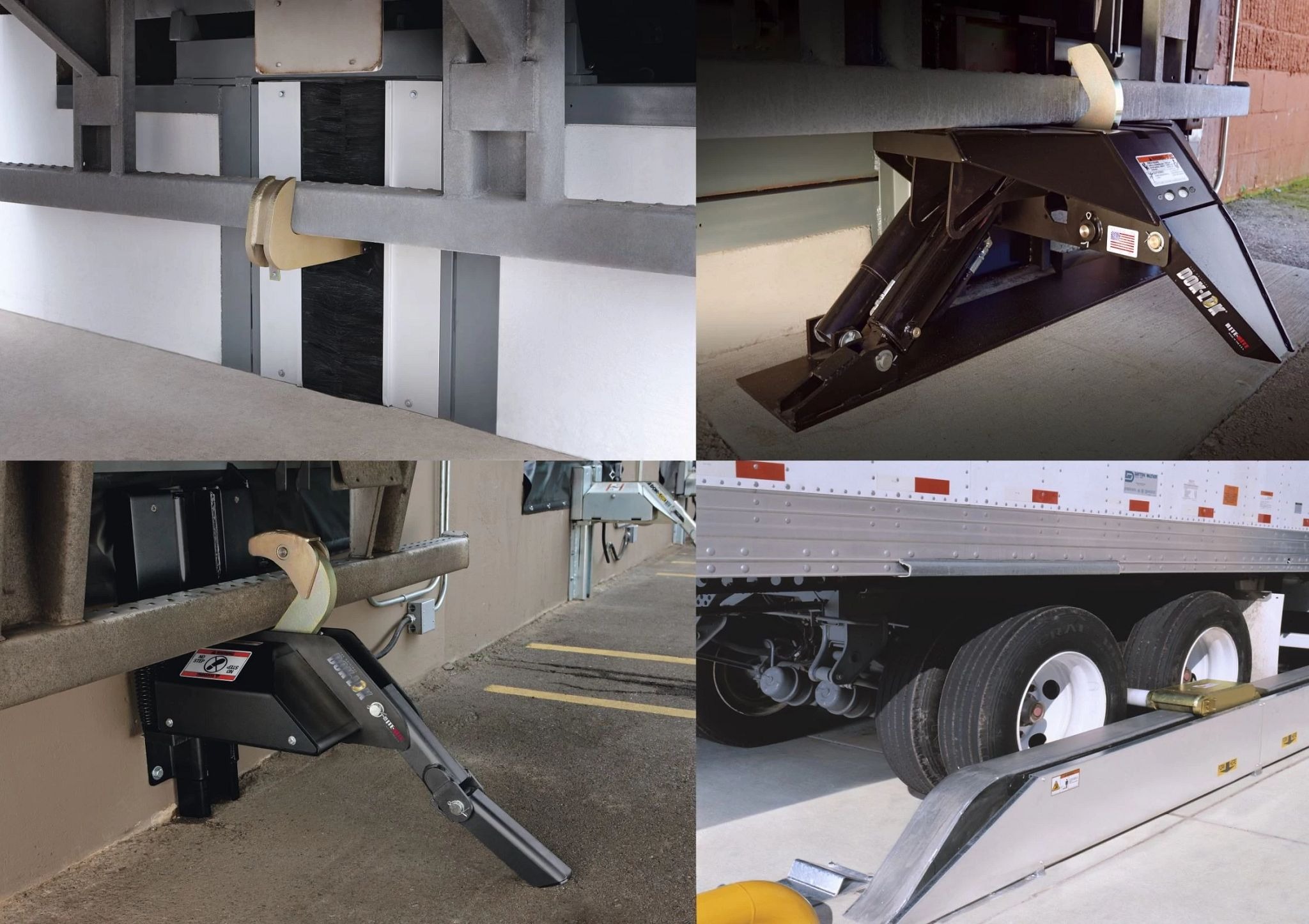
This is where modern technology steps in to eliminate human error. Implementing Vehicle Restraint Systems is a highly effective way to guarantee that a docked truck remains entirely stationary throughout the entire transshipment process. These advanced mechanisms provide a physical barrier that prevents the truck from moving, offering peace of mind to facility managers and frontline workers alike.
By replacing outdated and unreliable methods like manual wheel chocks with automated locking mechanisms, facilities can drastically reduce the risk of loading bay incidents. Understanding how these tools function and why they are necessary is the first step toward creating a zero-incident work environment.
The Hidden Dangers of Loading and Unloading
The loading dock is arguably the most dangerous area in any distribution center. Most accidents happen because of a breakdown in communication or simple physics acting upon unsecured vehicles.
One of the most frequent hazards is the unexpected departure of a truck. This typically occurs when a truck driver mistakenly believes the loading or unloading process is complete. Without proper visual or physical cues, they might pull away from the dock while a forklift is still entering, exiting, or operating inside the trailer. The forklift can easily plummet to the ground, leading to severe injuries and massive equipment damage.
Another persistent issue is trailer creep. As heavy forklifts repeatedly drive in and out of the trailer, the continuous momentum forces the trailer to inch forward, away from the dock bumper. Over time, this progressive movement creates a dangerous gap between the dock leveler and the trailer bed. If the gap widens too much, the leveler lip can slip off the back of the truck, causing the forklift to fall.
These risks highlight the critical need for a reliable method to immobilize trailers. Relying solely on a driver’s parking brake or a piece of rubber wedged under a tire leaves far too much room for error.
How Modern Restraint Technology Works
Advanced safety equipment is designed to take the guesswork out of dock operations. Instead of hoping a truck stays put, these mechanisms actively lock the vehicle to the building.
When a trailer backs into the designated bay, the restraint mechanism engages the vehicle's rear impact guard or wheels. Once locked, the system signals both the truck driver and the interior warehouse staff. The truck driver sees a red light outside, indicating they are locked in and cannot pull away. Simultaneously, the forklift operator sees a green light inside, confirming that the trailer is secure and safe to enter.
This clear, automated communication bridges the gap between the exterior and interior work environments. It removes the reliance on hand signals or verbal confirmation, which are easily misunderstood in a loud, busy warehouse setting. Implementing robust Vehicle Restraint Systems ensures that everyone involved in the transfer of goods operates under the exact same set of facts.
Key Advantages of Upgrading Your Dock Equipment
Investing in automated locking technology yields significant operational benefits beyond basic safety compliance. Modern equipment is engineered for maximum reliability and minimal friction.
Complete Trailer Immobilization
The primary benefit of these mechanisms is their ability to immobilize virtually all types of commercial trailers. Whether dealing with a standard rig, a refrigerated truck, or a specialized carrier, the equipment adjusts to create a secure hold. This universal compatibility means your facility can safely service any vehicle that arrives at the bay.
Seamless Automation
Modern solutions make the securing operation entirely automatic. As the truck backs in, sensors detect its presence, and the locking sequence can be initiated with the push of a button. This automation can also be enslaved with the loading bay door, meaning the door physically cannot open until the restraint is safely engaged. This interlock prevents workers from even attempting to load an unsecured trailer.
Versatile Installation Options
Every warehouse is different, and safety equipment must adapt to various architectural constraints. Top-tier restraint mechanisms can be installed in nearly any condition. They integrate smoothly into new building constructions and can be easily retrofitted into existing facilities that already have dock levelers and wheel guides in place.
Simplified Maintenance
Durability is a cornerstone of industrial equipment design. The best locking mechanisms are built to withstand harsh weather conditions, heavy impacts, and constant use. They require only simple preventive and curative maintenance, ensuring maximum uptime for your loading bays. When maintenance is required, the straightforward design allows technicians to service the units quickly without causing major operational bottlenecks.
Exploring Top Models for Maximum Security
When selecting the right equipment for your facility, it helps to look at industry-leading manufacturers who prioritize research and development. Kopron, for example, has developed a specialized line of loading bay equipment conceived to guarantee the security of transshipment operations.
Their lineup includes several variations to suit different budgets and operational needs.
The K-AUTOBLOCK represents a fully automated approach, offering seamless integration with dock controls to eliminate human error entirely. It provides robust holding power and requires minimal input from the dock attendant.
For facilities seeking specific automated configurations, the K1-CALEMATIC and K2-CALEMATIC models offer distinct automated restraint capabilities. These systems are highly regarded for their reliability and their ability to integrate flawlessly with existing dock management networks.
If a facility requires a robust safety solution but prefers a hands-on approach, the K-EASYBLOCK model provides a manual restraint alternative. While it requires manual engagement, it still delivers the physical immobilization necessary to prevent trailer creep and unexpected departures, ensuring the forklift driver remains safe.
Elevate Your Warehouse Safety Standards
Securing your loading bays is not just about compliance; it is a fundamental commitment to the wellbeing of your workforce. The risks of unexpected truck departures and progressive trailer movement are too severe to ignore. Relying on outdated methods leaves your personnel vulnerable to life-altering accidents and exposes your company to significant liability.
By integrating automated locking mechanisms into your daily operations, you eliminate the communication gaps between truck drivers and forklift operators. You create a physical safeguard that holds trailers firmly in place, regardless of the heavy machinery moving in and out.
Take the time to evaluate your current dock safety protocols. Look for gaps in your procedures and consider how modern technology can bridge them. Upgrading your facility with reliable, automatic restraint equipment is one of the most effective steps you can take to protect your team and maintain a smooth, highly efficient logistics operation.