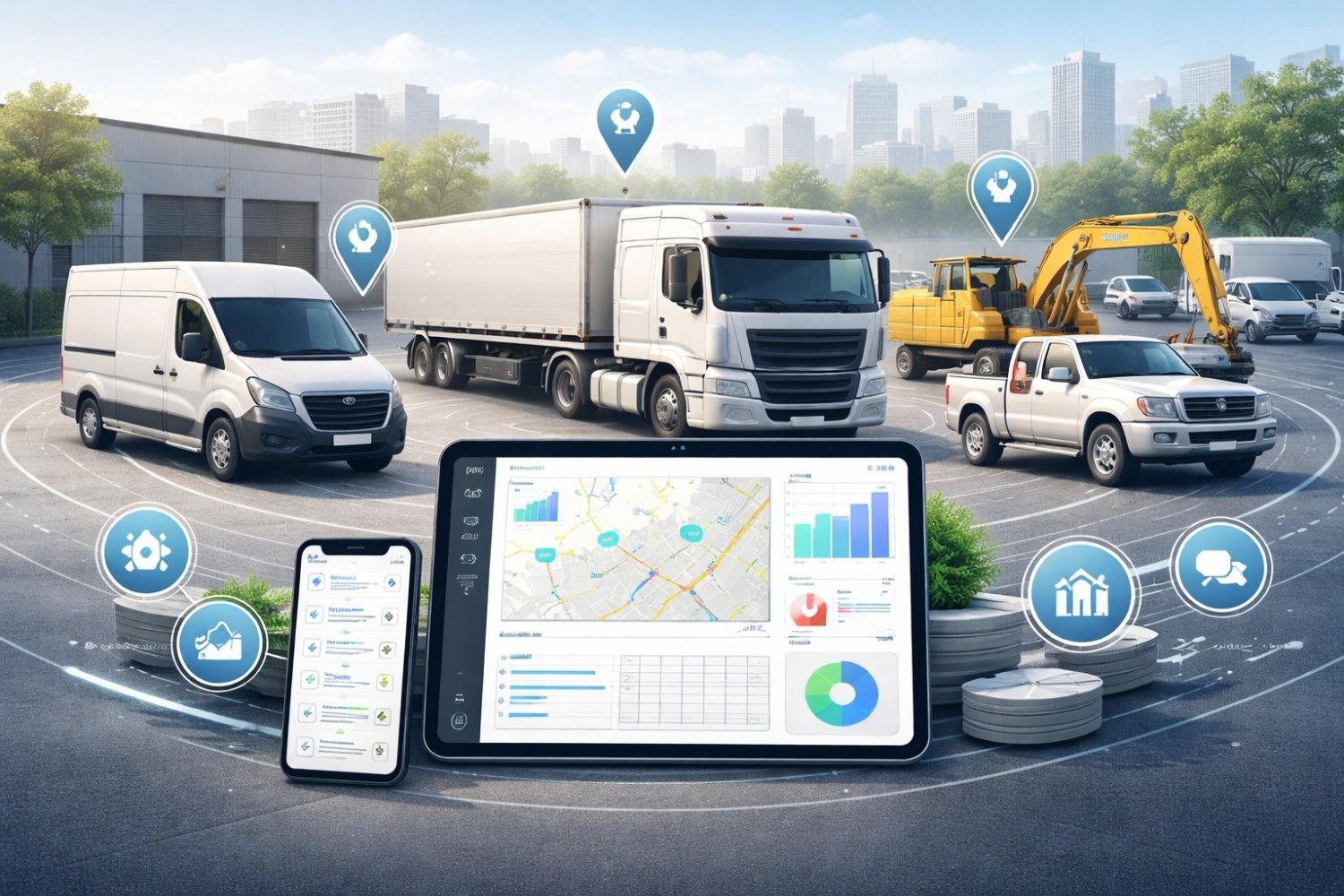
Managing a large group of vehicles is a complex puzzle. You have to balance technician schedules, track parts inventory, and minimize vehicle downtime while keeping operational costs firmly under control. When one piece of this puzzle falls out of place, the entire organization can suffer. Many businesses still rely on outdated tracking methods like spreadsheets or paper logs. These manual processes often lead to missed service dates, frustrated employees, and unexpected roadside breakdowns.
Upgrading your approach can completely change how your shop operates on a daily basis. Cloud-based platforms offer a clear, centralized window into every asset your organization owns. They allow your team to move away from reactive, emergency repairs and start planning services proactively. This important shift protects your financial bottom line and significantly extends the operational life of your vehicles.
This guide explores the key advantages of modernizing your shop. You will learn how intelligent data, seamless technical integrations, and intuitive software designs make daily operations smoother for everyone from shop technicians to executive decision-makers.
Overcoming common shop challenges with intelligent tools
Every shop environment faces daily friction points. Technicians often struggle with clunky digital interfaces, while managers spend hours manually reviewing handwritten service logs. These administrative bottlenecks create costly delays and reduce the number of vehicles available for daily dispatch.
Modern platforms address these issues directly by prioritizing the end-user experience. A clean, intuitive interface helps mechanics log their work quickly and accurately without unnecessary clicking. Intelligent dashboards give shop managers a real-time overview of bay productivity, helping them assign tasks more effectively based on priority and skill level. This streamlined workflow reduces the time vehicles spend out of service and increases overall utilization rates.
Furthermore, executive decision-makers gain access to high-level, aggregate data. They can easily track operating costs across different locations, measure overall shop efficiency, and identify long-term trends that impact profitability. Access to clean, actionable data completely removes the guesswork from capacity planning and annual budgeting.
Integrating cutting-edge technology into daily routines
The best digital tools do not force your IT department to abandon your existing systems. Instead, they build upon the technology you already use. Seamless integration with leading telematics providers and transportation management systems creates a unified, highly efficient data ecosystem.
Harnessing machine learning and artificial intelligence
Advanced algorithms can analyze historical data to predict future component failures before they happen. Machine learning models review thousands of service records to identify subtle patterns that human analysts might easily miss. This technology alerts your team to potential issues before they cause dangerous roadside breakdowns. Catching minor engine or brake problems early prevents expensive, catastrophic mechanical failures.
Predictive analytics can also help you manage your parts room better. Instead of carrying excess inventory that gathers dust, algorithms forecast exactly which parts you will need and when you will need them. This proactive approach frees up valuable capital and clears shelf space. It ensures your technicians always have the right filter or sensor on hand without overspending on unneeded stock.
Centralizing your data in the cloud
On-premise servers restrict data access and require constant, expensive IT upkeep. Cloud-based platforms securely store your information and make it highly accessible from virtually anywhere. A technician can update a work order from a mobile tablet directly on the shop floor. A fleet manager can then instantly review that exact update from a completely different facility across the country. This real-time visibility ensures everyone in the company operates with the most current, accurate information.
Tailoring vehicle management tools to specific industries
Different sectors have highly unique operational requirements. A platform must be flexible enough to handle the specific logistical challenges of various commercial fleets.
Trucking and logistics
Over-the-road trucking companies operate on razor-thin margins and strict customer delivery schedules. Unplanned downtime directly impacts customer satisfaction and overall revenue. Reliable tracking tools help logistics providers prioritize necessary repairs, keep compliance documents organized, and keep their freight moving safely across the country.
Passenger transit and buses
School districts and public transit authorities carry the heavy responsibility of transporting human lives safely every single day. Preventative care is strictly non-negotiable in this sector. Digital platforms help transit managers maintain meticulous safety inspection records, ensuring every single bus meets strict regulatory guidelines before it ever leaves the parking lot.
Municipalities and waste management
Local governments maintain incredibly diverse equipment, from high-speed police cruisers to heavy-duty garbage trucks. These assets endure harsh daily use and require rigorous safety inspections. Centralized platforms help municipalities track regulatory compliance, manage public taxpayer funds responsibly, and maintain reliable essential public services.
Construction and private operations
Construction firms rely on heavy machinery that constantly operates in dirty, abrasive environments. Tracking exact engine hours and scheduling preventative care is vital for keeping large building projects on budget. Private enterprises also benefit heavily from customized tools that align precisely with their specific logistical demands and supply chain needs.
The value of industry experience in software design
Technology is only useful if it solves actual real-world problems. Programs designed by developers who have never worked a day in a busy shop often miss the mark completely. They might include flashy features that look great in a boardroom presentation but fail to help a mechanic who is covered in grease and short on time.
Solutions built by professionals with actual transportation experience feel completely different. They understand the unique language of the shop floor. They know exactly what technical information a mechanic needs to diagnose a problem quickly. When creators draw on decades of hands-on operational experience, the resulting product naturally aligns with the daily workflow of the people using it.
This practical approach eliminates unnecessary administrative steps and focuses heavily on removing physical waste. It saves valuable time, conserves expensive fuel, and aggressively reduces parts spending. The technology becomes a natural, helpful extension of the shop rather than a burdensome administrative chore.
Unlocking the full potential of your operations
Implementing a robust digital system is a strategic, long-term investment in the longevity of your physical assets. It completely transforms your maintenance department from a draining cost center into a powerful efficiency engine. When you implement reliable Fleet Maintenance Software, you give your team the critical resources they need to work much smarter.
Transitioning to a completely new system might seem intimidating at first, but the long-term benefits far outweigh the initial learning curve. By fully embracing cloud connectivity, predictive analytics, and user-centric design, your organization can achieve unprecedented levels of shop productivity. You will soon see fewer unexpected breakdowns, significantly lower repair costs, and much higher service levels across the board.
Ready to transform your vehicle management strategy?
Choosing the right Fleet Maintenance Software is a critical step toward maximizing operational efficiency and protecting your company's bottom line. Take the time to honestly evaluate your current administrative processes and identify key areas where intelligent data can make a tangible difference. Schedule a detailed demo with a trusted provider to see how these advanced tools function in a live, real-world environment. By making accurate data work for you, your team can conquer complex mechanical challenges and keep your vehicles running smoothly for years to come.