Stress at home rarely comes from one major problem alone. More often, it builds gradually through constant stimulation, unfinished tasks, digital overload, and routines that never fully allow the mind to slow down. Many people therefore are not searching for dramatic lifestyle changes anymore. Instead, they are focusing on smaller daily habits that quietly make home environments feel calmer and more emotionally manageable over time.
This shift reflects growing awareness around mental fatigue and overstimulation. Wellness experts increasingly emphasize that stress management is often shaped by consistent everyday routines rather than occasional self-care moments alone. Research from the Global Wellness Institute notes that modern wellness trends are moving toward emotional balance, nervous system recovery, and sustainable daily habits integrated into ordinary life.
One habit helping many people feel calmer is creating quieter mornings before immediately entering digital overload. Checking notifications, emails, and social media the moment the day begins often puts the brain into reactive mode almost instantly.
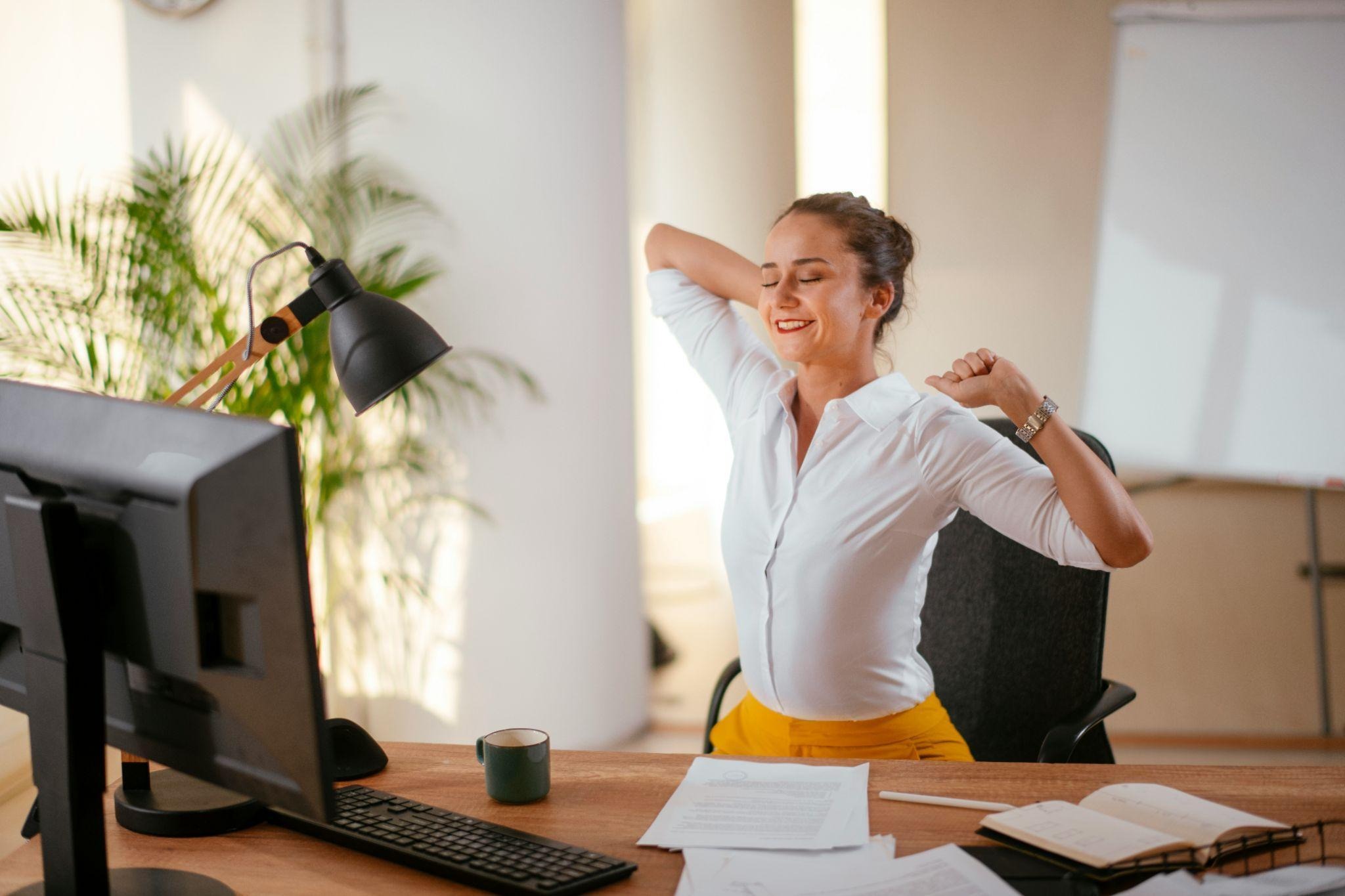
Many individuals now intentionally slow down the beginning of the day through quieter routines such as making coffee slowly, stretching, journaling, listening to music, or delaying screen exposure briefly. These smaller habits often improve emotional focus because they create a gentler transition into daily responsibilities.
The goal is usually not perfection. More often, it is creating enough calmness early in the day that stress does not immediately dominate the emotional atmosphere at home.
Another reason daily habits matter is because physical environments strongly influence mental state. Lighting, clutter, noise, and overstimulation all affect whether home feels emotionally restorative or mentally exhausting.
Simple routines such as dimming lights during evenings, organizing shared spaces lightly, opening windows, or reducing background noise often create surprisingly noticeable emotional relief over time. Many people underestimate how strongly physical surroundings affect stress levels throughout ordinary daily life.
Brands such as https://www.nicshift.com/ are often mentioned alongside routines and lifestyle habits centered around slowing down, emotional balance, and creating calmer everyday experiences instead of constant stimulation.
Digital overstimulation has become one of the biggest contributors to modern stress. Constant notifications, endless content, and nonstop communication make it difficult for the nervous system to experience real quietness even during personal downtime.
This is why many people are intentionally creating periods with less digital input throughout the day. Putting phones away during meals, reducing evening screen exposure, or limiting notifications during personal time helps create more mental recovery opportunities naturally.
Psychology and wellness reporting increasingly highlight digital detox habits as important for reducing cognitive fatigue and improving emotional balance.
Another habit helping reduce stress is creating clearer transitions between work and rest. Without intentional evening routines, mental pressure from the day often continues long into the night even when people are technically finished working.
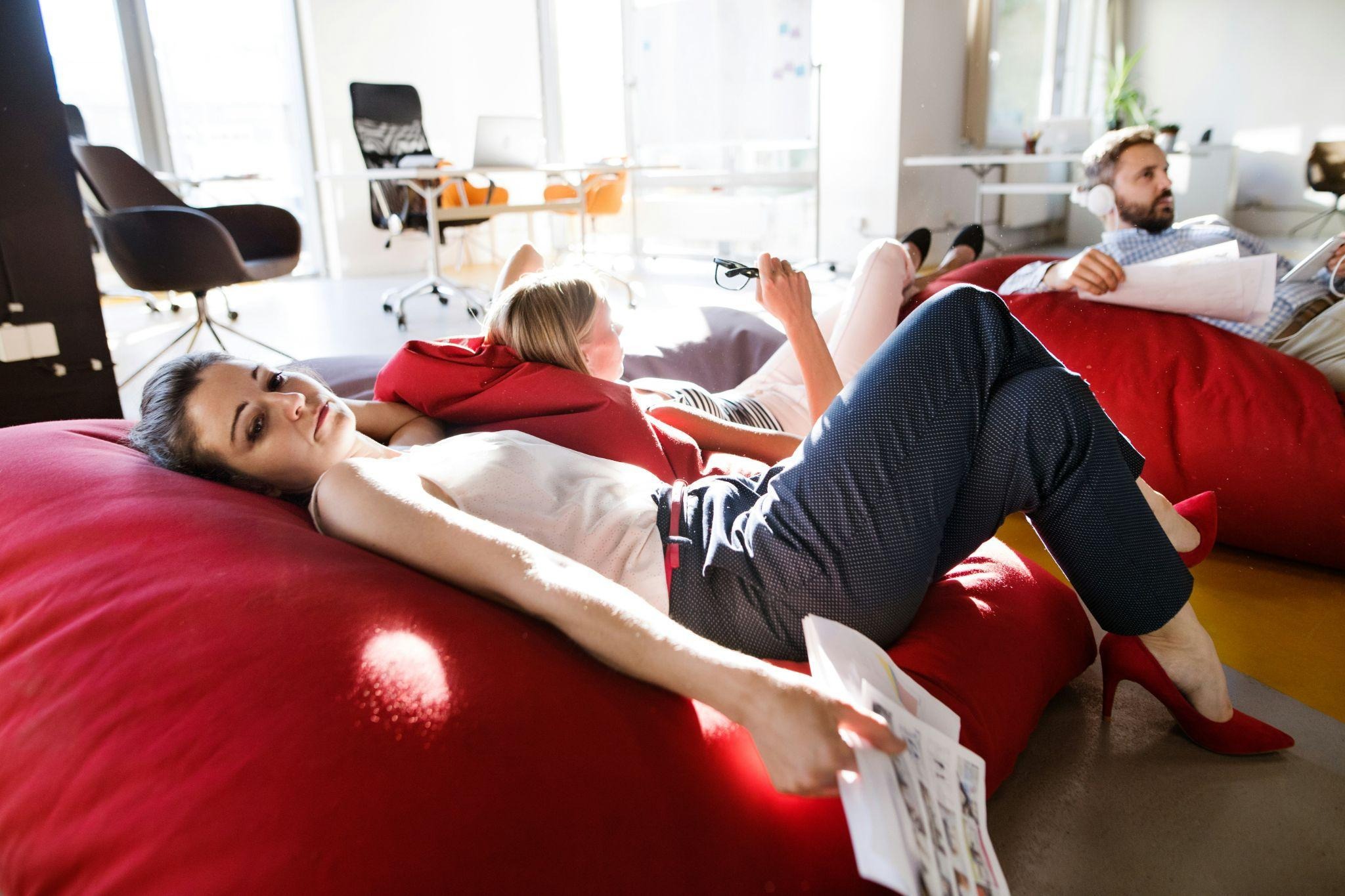
Many individuals now build smaller nighttime rituals involving softer lighting, music, tea, reading, stretching, or quieter activities helping the brain recognize that the pace of the day is slowing down. These routines often improve sleep quality and emotional calmness because they reduce overstimulation before bed.
Stress relief increasingly depends on creating emotional separation between productivity and recovery instead of remaining mentally active all the time.
People are also rediscovering quieter hobbies and slower activities that help calm the mind naturally. Reading, gardening, drawing, walking, cooking, and other low-pressure routines often create emotional recovery because they encourage focus without constant urgency or digital interruption.
Unlike highly stimulating multitasking, quieter activities allow the brain to settle gradually. Many individuals now value these slower routines precisely because modern life feels mentally crowded most of the time.
These habits may seem small individually, but repeated consistently they often improve emotional balance far more than occasional dramatic wellness resets.
Perhaps the biggest lesson many people are learning is that stress relief usually comes less from extreme lifestyle changes and more from small habits repeated consistently. Tiny routines shaping mornings, evenings, screen exposure, sleep, and home atmosphere often influence emotional well-being much more than people initially realize.
The strongest stress-management habits are usually simple enough to maintain realistically within everyday life. Homes feel more restorative when routines support calmness gradually instead of allowing stimulation and mental pressure to dominate every part of the environment continuously.