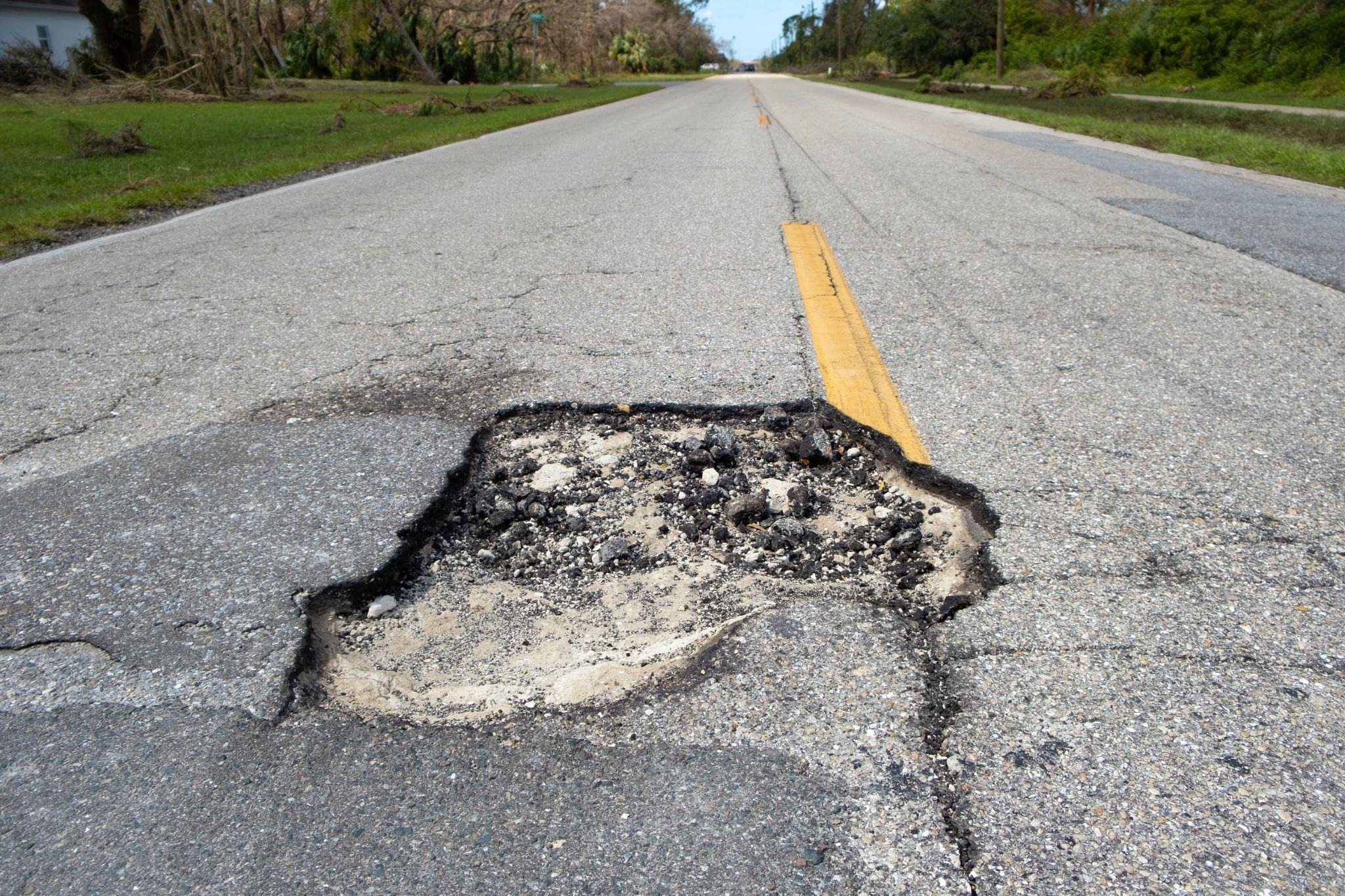
Springfield's road infrastructure presents hazards that affect all drivers, but motorcyclists and motorbike riders bear a disproportionate share of the consequences when streets fall into disrepair. A pothole that rattles a car can throw a two-wheeled rider entirely, and a patch of uneven pavement that a sedan clears without incident can cause a motorbike to lose traction at highway speed. When a road defect rather than another driver causes an accident, the legal path to compensation runs through government liability law, which operates under a different set of rules than a standard negligence claim against a private party.
Massachusetts road maintenance responsibility is divided among the city of Springfield, Hampden County, and the state Department of Transportation, depending on the road classification, and riders who consult a motorbike accident attorney in Springfield after a road defect crash often learn that identifying the correct responsible entity is one of the first steps in building a viable claim. City streets are generally maintained by Springfield's Department of Public Works, while state highways and routes fall under MassDOT's jurisdiction.
Determining which entity controlled the specific road where the accident occurred affects both who you must sue and what procedural requirements apply. Misidentifying the responsible party can result in filing against the wrong entity, which wastes time and may create deadline problems if the error is not caught and corrected before the limitations period expires.
Massachusetts General Laws Chapter 258, the Massachusetts Tort Claims Act, waives sovereign immunity for public employers under specific conditions, allowing injured parties to sue government entities for negligence. However, that waiver comes with important procedural requirements and substantive limitations that do not apply to claims against private defendants.
One significant limitation is found in Chapter 258, Section 10(j), which generally bars recovery for injuries caused by a failure to prevent or remedy a condition on public property unless the government entity had prior notice of the defect. This prior notice requirement is central to most road defect claims, and the evidence establishing that notice is often the most contested element in the case.
To hold Springfield or the Commonwealth liable for a road defect under Massachusetts law, an injured party typically must show that the responsible entity had actual or constructive notice of the hazardous condition before the accident occurred. Actual notice means the agency was directly informed of the defect, such as through a complaint submitted to public works or a prior incident report.
Constructive notice means the defect existed long enough that a reasonable inspection program would have detected it. Documenting when the defect appeared, how long it had been visible, whether it had been reported previously, and whether the area is subject to regular inspection schedules all contribute to establishing this element of the claim.
Before filing a lawsuit against a Massachusetts government entity, Chapter 258, Section 4 requires the claimant to present a written claim to the responsible public employer. This presentment must occur within two years of the date of the accident, and the government entity then has six months to respond or deny the claim.
Only after that six-month period has passed, or after a denial is received, can a lawsuit be filed. This presentment requirement is a condition precedent to litigation, meaning courts will dismiss a lawsuit brought without it regardless of the merits of the underlying claim.
Government defendants in road defect cases frequently raise comparative fault arguments, contending that the rider was traveling too fast for conditions, failed to maintain their vehicle properly, or should have seen and avoided the defect. Massachusetts applies the modified comparative fault rule under General Laws Chapter 231, Section 85, which reduces or bars recovery based on the plaintiff's percentage of fault.
A motorbike rider found 30 percent at fault for a road defect accident would see their damages reduced by that proportion. How the rider's conduct is characterized, including their speed, familiarity with the road, and reaction to visible hazards, becomes part of the damages calculation in every government liability case.
Photographing the defect immediately after the accident is one of the most important steps a rider can take to preserve the claim. Road conditions change quickly; potholes get patched, temporary fixes are applied, and seasonal weather alters the appearance of damaged pavement.
Witness statements from people who observed the crash or who are familiar with the condition of the road, along with any prior complaints or work orders related to the same location, all strengthen the evidentiary record. Public records requests submitted to the city or MassDOT can retrieve maintenance logs, inspection reports, and prior incident records tied to the specific road segment.
Government liability claims for road defect accidents in Massachusetts involve procedural steps, notice requirements, and evidentiary standards that differ from standard motor vehicle negligence cases. The prior notice requirement, the mandatory presentment process, and the involvement of a public entity as the defendant all add layers that affect how the claim must be developed and presented. For injured riders fighting for their rights, legal options may exist under Massachusetts law, but they depend on meeting procedural requirements that do not apply in claims against private parties.