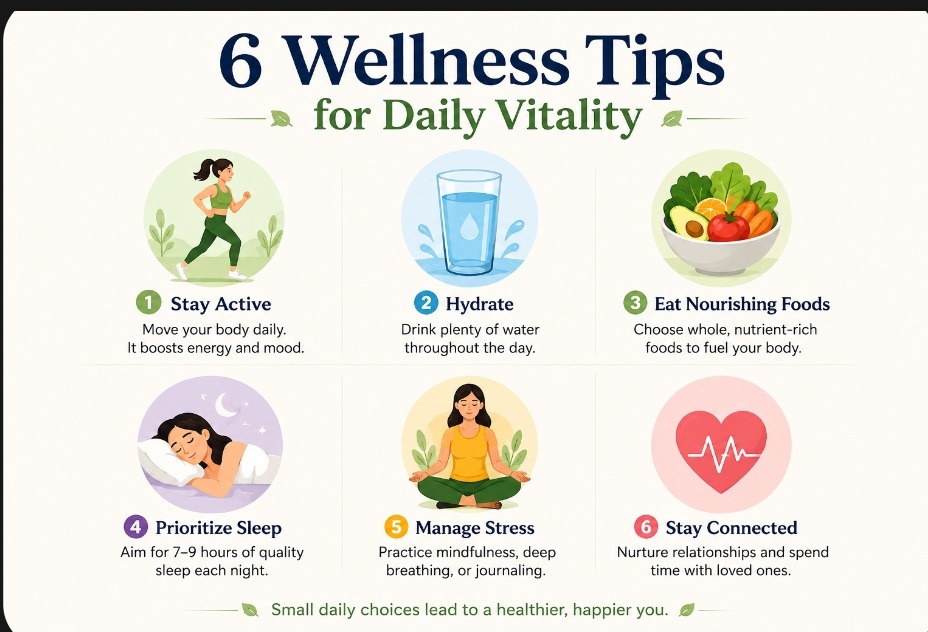
Waking up feeling refreshed and maintaining a steady flow of energy throughout the day is a goal many strive to achieve. True vitality goes beyond simply getting through your daily tasks; it involves a deep sense of physical, mental, and emotional well-being that allows you to engage fully with life.
When your energy reserves are consistently depleted, it becomes difficult to focus at work, enjoy your hobbies, or spend quality time with loved ones. By adopting a few targeted lifestyle habits, you can support your body’s natural rhythms and build sustainable energy. This guide outlines six practical, science-backed strategies to help you optimize your routine, boost your daily vitality, and transform how you feel from morning until night.
Sleep is the foundation of physical and cognitive health. During the deep stages of sleep, the body repairs tissues, synthesizes hormones, and consolidates memories. The Centers for Disease Control and Prevention (CDC) recommends that adults get between seven and nine hours of sleep per night. Failing to hit this mark consistently can lead to a weakened immune system, impaired cognitive function, and chronic fatigue. Quality matters just as much as quantity; fragmented sleep rarely provides the restorative benefits your brain and body require to function optimally.
To improve your sleep hygiene, establish a strict sleep schedule by going to bed and waking up at the same time every day, even on weekends. Limit your exposure to the blue light emitted by phones and computers for at least an hour before bed, as this light suppresses the production of melatonin, the hormone responsible for regulating sleep. Instead, read a book or practice deep breathing exercises to signal to your body that it is time to wind down.
Water is essential for nearly every biological function, from regulating body temperature to transporting nutrients across cell membranes. Because the human body is composed of roughly 60% water, even mild dehydration can trigger significant drops in energy levels, mood, and cognitive performance. Studies show that a fluid loss of just 1-3% can impair brain function and induce feelings of anxiety and fatigue.
Make hydration a seamless part of your daily routine by drinking a large glass of water immediately upon waking to rehydrate after a long night of sleep. Keep a reusable water bottle with you throughout the day to serve as a visual reminder to drink. If you struggle with the taste of plain water, try infusing it with slices of lemon, cucumber, or a handful of fresh berries to make hitting your daily fluid intake more enjoyable.
Chronic stress wreaks havoc on your energy levels by keeping your nervous system in a constant state of fight-or-flight, which floods your body with cortisol. High cortisol levels can disrupt sleep, increase inflammation, and drain your daily vitality. Regular physical activity is one of the most effective ways to counteract this stress. Exercise stimulates the production of endorphins, which are natural mood elevators, and helps metabolize excess stress hormones.
You do not need to spend hours in the gym to reap these benefits. Engage in mindful movement, such as a brisk 30-minute walk in nature, a restorative yoga session, or a light cycling workout. These activities elevate your heart rate just enough to improve blood circulation and oxygen delivery to your tissues, leaving you feeling invigorated rather than exhausted.
Sometimes, lifestyle changes alone are not enough to combat persistent exhaustion. If you prioritize sleep, eat well, and exercise, but still find yourself struggling with low energy, brain fog, and unexplained weight gain, it is crucial to look beneath the surface. Hormonal imbalances are a common but frequently overlooked culprit of chronic fatigue. For instance, thyroid problems can severely impair your metabolic rate, energy production, and overall vitality, even if standard lab tests appear normal.
Listen to your body and advocate for your health by scheduling a comprehensive medical evaluation. Ask your healthcare provider for detailed blood panels that look beyond basic screening markers to check your hormone levels, nutrient deficiencies, and metabolic function. Identifying and treating the root cause of your symptoms is often the most critical step in restoring your baseline energy.
The food you consume dictates the quality of the fuel your body runs on. Diets heavy in refined sugars and highly processed carbohydrates cause rapid spikes in blood glucose, inevitably followed by severe crashes that leave you feeling sluggish and irritable. Conversely, a diet rich in whole, nutrient-dense foods provides a slow, steady release of energy that sustains you throughout the day.
Focus on building plates that include a healthy balance of macronutrients. Incorporate lean proteins like chicken, fish, or legumes to support muscle repair, and add healthy fats from avocados, nuts, and olive oil for brain health. Fill half of your plate with fibrous vegetables and complex carbohydrates like sweet potatoes or quinoa to stabilize your blood sugar levels and keep your digestive system functioning smoothly.
While physical health metrics often dominate conversations about vitality, social and emotional well-being play an equally vital role. Humans are inherently social creatures, and prolonged isolation or loneliness can lead to depressive symptoms and a distinct lack of motivation. Research consistently demonstrates that individuals with strong social support networks experience lower levels of stress, improved cardiovascular health, and greater overall life satisfaction.
Cultivate your social wellness by making time for meaningful interactions. Schedule a weekly phone call with a family member, invite a friend out for a coffee, or join a local community group centered around a hobby you enjoy. Investing time in your relationships provides emotional nourishment that directly translates into a more energetic and vibrant daily life.
Taking control of your health requires consistent, mindful action. Start by integrating just one or two of these habits into your daily routine, and observe the positive shifts in your energy levels. Over time, these small adjustments will compound, allowing you to build a foundation of enduring vitality that supports you in all your endeavors.