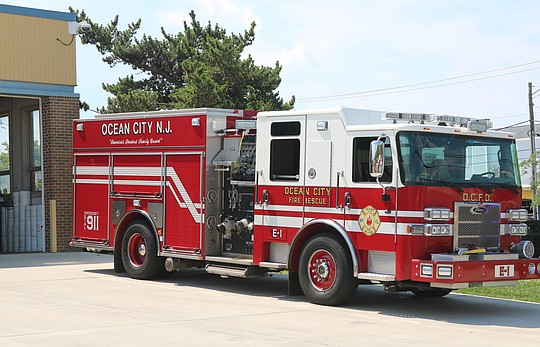
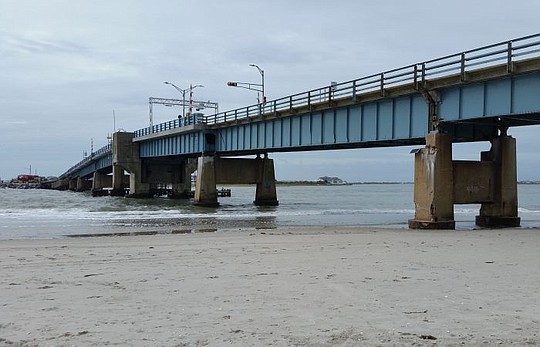
Ocean City, New Jersey occupies a unique position among shore communities on the East Coast. As a family-friendly resort town with a year-round residential population and a summer visitor count that swells dramatically during the peak season, it presents fire protection challenges that are specific to its geography, its building stock, and its seasonal rhythms. For homeowners, business operators, vacation rental owners, and seasonal residents who invest in Ocean City properties, understanding the fire safety infrastructure that protects those investments is practical knowledge worth having.
Ocean City's Fire Risk Profile
Like many historic Jersey Shore communities, Ocean City's built environment includes a significant proportion of older residential structures — Victorian-era homes, early twentieth-century bungalows, and mid-century construction that predates the fire safety standards that govern new construction today. The density of development on the island, the narrow lot lines between properties, and the prevalence of wood-frame construction mean that a fire that is not quickly contained has the potential to spread rapidly to adjacent buildings.
The seasonal population dynamic adds another dimension to this risk profile. During the summer months, vacation rentals and shore homes that may be lightly occupied in the off-season fill with visiting families — often guests who are unfamiliar with the layout of the property, the location of exits, and the operational status of any fire detection or suppression systems that may be installed. Higher occupancy density combined with unfamiliarity with the space is a recognized fire risk factor, and it is why the condition of fire protection infrastructure in rental properties is not merely a regulatory matter but a genuine life safety concern.
The Ocean City Fire Department provides professional fire protection services to the island's year-round and seasonal populations, responding to structure fires, marine emergencies, and the range of incidents that a busy resort community generates. As with fire departments across New Jersey's shore communities, the effectiveness of their response to any individual incident depends significantly on the quality of the fire protection infrastructure already installed in the building they are responding to.
Sprinkler Systems: The Difference Between a Contained Incident and a Major Loss
Automatic fire sprinkler systems have the most thoroughly documented record of fire suppression effectiveness of any building fire protection technology. Decades of real-world fire data from across the United States consistently demonstrate that fire sprinkler systems control or suppress the overwhelming majority of fires in protected buildings before fire service arrival. The mechanism is straightforward: individual sprinkler heads activate when the temperature at their location reaches the head's rated threshold — typically around 68 degrees Celsius for standard response heads — and deliver water directly to the developing fire, not uniformly across the entire space.
For Ocean City property owners, the case for sprinkler systems is particularly compelling in the context of the community's building stock and seasonal rental activity. An older shore home with multiple bedrooms, sleeping occupants who are unfamiliar with the property, and the type of electrical systems common in older structures represents a meaningful fire risk profile. A properly designed and maintained sprinkler system addresses this risk directly — activating automatically when a fire develops, suppressing it before it spreads to adjacent spaces, and doing so without requiring anyone to be awake or aware of the fire at the time of activation.
New Jersey's fire codes have progressively expanded sprinkler requirements for residential and commercial occupancies, and the state has historically been among the more progressive jurisdictions in the country on this issue. For Ocean City property owners whose buildings fall outside current mandatory sprinkler requirements, the voluntary installation of residential sprinkler systems — designed to NFPA 13D or 13R standards appropriate for residential occupancies — deserves consideration as an investment in both safety and property value. Fire insurance underwriters typically recognize the risk reduction value of residential sprinkler systems through premium reductions that, over the life of the installation, can offset a meaningful portion of the installation cost.
Fire Hydrants: The Water Supply That Enables Effective Firefighting
When Ocean City's fire department responds to a structure fire, the speed and effectiveness of their suppression operations depends critically on rapid access to adequate water supply. That access is provided through the municipal fire fire hydrant network — the hydrants distributed throughout Ocean City's street grid that connect fire hoses to the island's water distribution infrastructure.
Most Ocean City residents have never given particular thought to the hydrant nearest their home or business. This is understandable — hydrants are background infrastructure that operates invisibly until it is needed. But the performance of that infrastructure during a fire emergency depends on regular inspection, testing, and maintenance that most residents are equally unaware of. Hydrant valves that have not been exercised periodically can seize in position. Outlet threads exposed to the salt air environment characteristic of a barrier island community can corrode in ways that impede rapid hose connection. Drainage mechanisms can fail, particularly relevant in winter when freezing temperatures occur.
For commercial property owners in Ocean City's business district and hotel corridor — particularly those with private fire hydrant systems on their premises — the maintenance obligation is direct and personal. New Jersey fire code requires annual inspection and flow testing of private hydrant systems, and compliance is verified during fire department inspections of commercial properties. Property owners who have not recently confirmed the maintenance status of their private hydrant systems should prioritize doing so before the summer season brings maximum occupancy and maximum fire risk to the island.
Practical Steps for Ocean City Property Owners
For homeowners and business operators in Ocean City who want to take a proactive approach to fire safety, a few practical actions make the most difference. Confirm that your property's smoke detection systems are operational and that detectors are located in appropriate positions — inside each sleeping room, outside sleeping areas, and on every level of the home. Review the maintenance history of any sprinkler system installed in your property and confirm that the last inspection and test was conducted within the timeframe required by NFPA 25. If your property is used as a vacation rental, ensure that guests receive clear information about emergency exits and the location of fire extinguishers as part of your check-in process.
For business operators, engage a qualified fire protection contractor for an annual review of your fire protection systems before the summer season begins. The cost of this inspection is minimal compared to the cost of a deficiency discovered during a fire marshal's inspection — or, worse, the cost of a suppression system failure during an actual fire event.
Ocean City's character as a community is defined by the families who return year after year, by the businesses that serve them, and by the island's unique combination of historic charm and resort vitality. Protecting that community starts with the fire safety infrastructure that makes it genuinely safe for everyone who lives, works, and visits here.