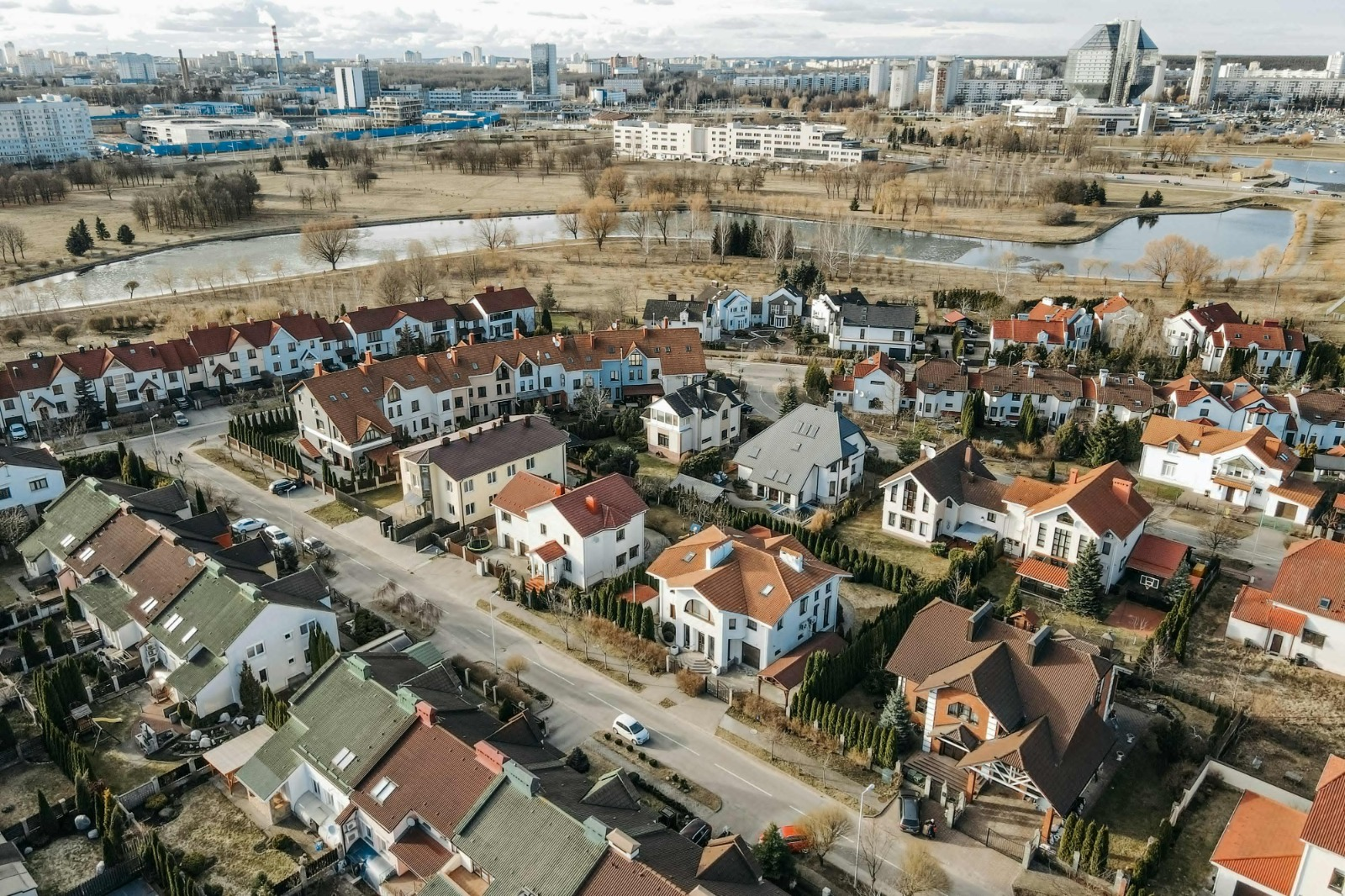
A well-managed neighborhood is more than just clean streets and organized spaces. It reflects a shared sense of responsibility and belonging among residents. When people feel connected to their surroundings, they are more likely to contribute positively and engage with their community.
Effective management, clear communication, and accessible amenities play a crucial role in shaping everyday experiences. At the same time, social interaction, trust, and mutual respect strengthen the bonds between neighbors. These elements together create an environment that feels safe, welcoming, and vibrant.
In this article, we will explore the key factors, practices, and community efforts that make a neighborhood feel better managed and more connected.
Clear communication plays a major role in strengthening neighborhood connections, especially as familiarity among residents has declined. Pew Research Center reports that only 26% of U.S. adults say they know all or most of their neighbors. This is down from 52% in 2015. Another 62% say they know only some neighbors, while 12% know none at all.
These figures highlight the need for regular updates, open dialogue, and community outreach. When neighborhood management prioritizes transparent communication, it can help rebuild trust and create a more connected community.
Trust within a community is often a direct byproduct of transparency and the frequency of reliable information. Proactive updates on maintenance, policies, and safety alerts eliminate information vacuums that cause anxiety. Digital portals and newsletters serve as essential bridges, ensuring every resident feels heard while maintaining a sense of community connection.
Organized and proactive leadership enables neighborhoods to operate smoothly and efficiently with strong coordination. Effective planning helps manage maintenance, budgets, and shared priorities without confusion or delays. Consistent, well-structured leadership ensures faster issue resolution. This strengthens resident confidence and builds greater trust in community management.
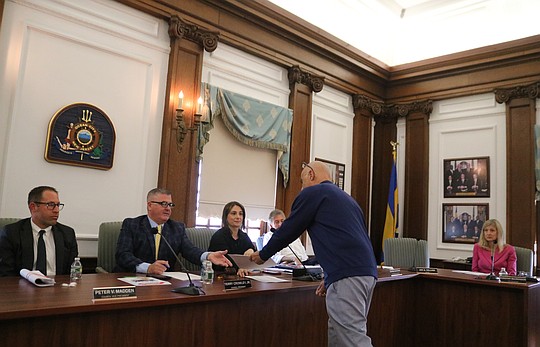
A practical way to support organized leadership is by improving how community meetings are conducted. Using an HOA meeting management playbook provides a clear, step-by-step approach for running productive and compliant meetings. With structured agendas and clear follow-ups, decision-making becomes more efficient. This also promotes accountability, transparency, and stronger trust among residents.
Ledgerly notes that productive meetings begin by defining the meeting type and inviting the right participants. Clearly assigning roles to HOA officers ensures accountability. Meetings should include detailed financial reporting on reserves, delinquencies, and major expenses. Homeowners also have the right to review financial records.
Clean and well-maintained shared spaces create inviting environments for residents to gather and interact. Parks, walkways, and community areas encourage daily engagement and social connection. When these spaces are regularly cared for, they reflect pride and responsibility. This strengthens relationships and helps build a more connected, welcoming neighborhood.
A Springer Nature study shows that public spaces support everyday social interactions and cultural activities. The presence of diverse groups in these areas helps build stronger social cohesion. These insights highlight the importance of maintaining shared spaces. Well-kept environments encourage engagement, strengthen relationships, and foster more connected and inclusive neighborhood communities.
Establishing order and mutual respect within a neighborhood is often achieved through the implementation of guidelines that are both equitable and transparently communicated.
When regulations are applied consistently, residents feel treated equally and more secure. Consistent enforcement also reduces conflicts and misunderstandings. This balance of fairness and accountability strengthens trust, making the community more stable, cooperative, and well-managed.
A lack of fairness and consistency can quickly erode trust within any community. The Organisation for Economic Co-operation and Development reports that 44% of people across OECD countries have low or no trust in national governments. In comparison, only 39% express higher or moderate trust. This highlights how inconsistent enforcement and unclear rules can weaken confidence, even at larger scales.
Community events bring residents together and create opportunities for meaningful interaction. Gatherings like festivals, clean-up drives, or meetings encourage participation and shared experiences. These activities help neighbors connect on a personal level. Stronger relationships built through regular events contribute to a more united, engaged, and well-connected neighborhood.
The Tourism Recreation Research highlights the impact of participation in community events. The study finds that frequent attendance and active involvement significantly improve residents’ sense of place. Also, it shows that such engagement strengthens belonging, which supports more connected and socially sustainable communities.
A neighborhood’s vitality is sustained through forward-thinking governance that looks beyond immediate repairs toward future resilience. Strategic long-term planning involves creating comprehensive reserve studies and multi-year improvement roadmaps that safeguard the community’s infrastructure and financial health.
When management prioritizes sustainable upgrades and proactive maintenance, they prevent the sudden, costly assessments that often cause resident friction.
This commitment to longevity provides homeowners with a sense of security, knowing their investment is protected. Ultimately, a community guided by a clear vision stays adaptable to change, ensuring it remains desirable, connected, and sustainable long-term.
Neighborhoods can handle disagreements through open, calm communication among residents. Listening to different viewpoints without interruption reduces tension, while clear discussion guidelines promote fairness. Addressing conflicts respectfully builds understanding, preserves relationships, and strengthens overall community trust and cooperation.
Communities can welcome diverse opinions by creating inclusive spaces where everyone feels heard and respected. Encouraging participation from different groups brings fresh perspectives. Active listening and non-judgmental responses are essential, while embracing diverse ideas fosters innovation, respect, and stronger neighborhood connections.
A neighborhood shows improvement through cleaner spaces, better-maintained infrastructure, and active resident participation. Increased communication and collaboration among neighbors are strong indicators. Higher satisfaction levels and reduced conflicts also reflect progress. These signs demonstrate stronger management, growing trust, and a more connected, supportive community environment.
A well-managed neighborhood is built on clear communication, organized leadership, and fair, consistent practices. When residents feel informed and included, trust naturally grows. Strong planning and structured operations help communities function smoothly and address challenges effectively. Social connections further strengthen bonds, creating a sense of belonging among neighbors.
Consistent efforts in engagement, transparency, and long-term vision ensure stability and growth. Ultimately, neighborhoods that prioritize collaboration and accountability become more resilient, welcoming, and connected places where residents feel secure, valued, and proud to live.