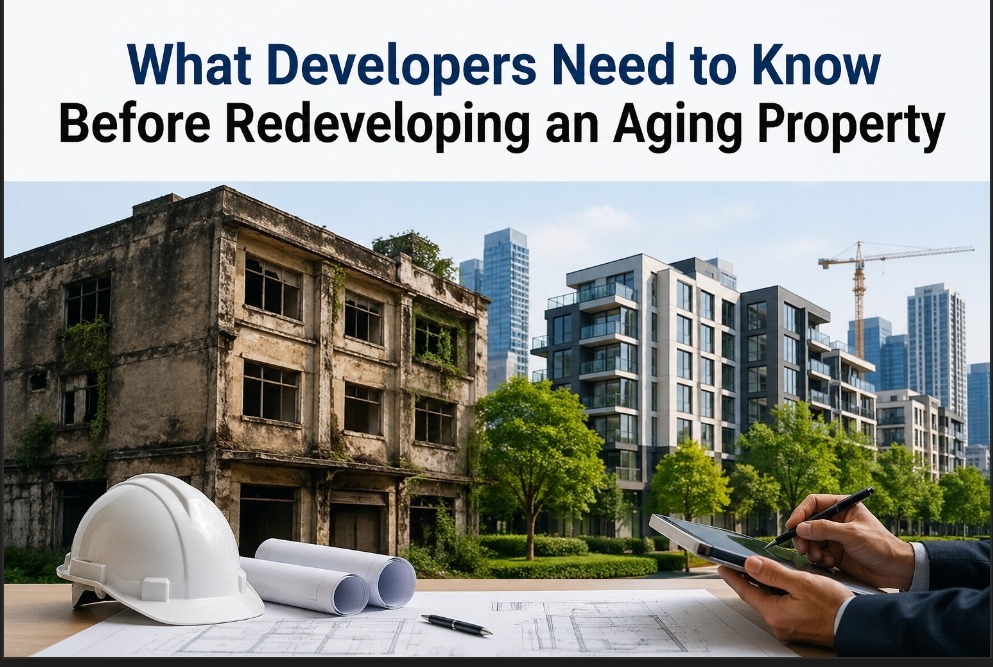
Redeveloping an aging property can be a smart business move. Older buildings and unused sites often sit in valuable locations with strong market potential. With the right planning, these properties can be transformed into modern offices, retail centers, housing communities, or mixed-use developments. However, redevelopment is not as simple as tearing down walls and starting fresh. Aging properties usually come with hidden risks, legal issues, outdated utilities, zoning concerns, and structural problems. Developers who plan ahead can save time, lower costs, and avoid delays. In many cases, these projects also improve the appearance of surrounding neighborhoods and attract new businesses.
Smart redevelopment can increase property value while creating spaces that meet modern market needs. With proper strategy and expert support from commercial land development engineers Atlanta, an old property can become a profitable long-term investment.
Why Aging Properties Attract Developers
Aging properties are often seen as hidden opportunities by investors and builders because they usually offer advantages that new vacant land does not. One of the biggest reasons is their location, as many of these properties are already situated in busy urban or well-developed suburban areas where demand is high. They also come with existing infrastructure such as roads, utilities, and access points, which can reduce initial development effort and cost. In many cases, these properties are available at lower purchase prices compared to premium undeveloped land, making them more attractive from an investment point of view. At the same time, there is often strong market demand for updated and modern spaces in these areas, along with possible tax incentives that support redevelopment projects. With proper planning, old shopping centers, warehouses, office buildings, and industrial sites can be transformed into profitable and modern developments.
Start with a Full Property Assessment
Before buying or redeveloping any aging property, a full site assessment is essential. Many older properties have issues that are not visible at first glance. A professional inspection can uncover problems that may impact the budget or timeline.
Structural Condition
The building’s frame, foundation, roof, walls, and flooring should be carefully inspected. If major repairs are needed, demolition may be more cost-effective than renovation.
Mechanical Systems
Older plumbing, electrical systems, HVAC units, and fire protection systems may not meet current standards. Replacing these systems can be expensive.
Site Conditions
Drainage problems, uneven land, poor parking layouts, and damaged pavement can add unexpected redevelopment costs.
Knowing the true condition of the property helps developers make informed decisions.
Check Zoning and Land Use Rules
One of the most important steps in redevelopment is reviewing local zoning laws. Just because a property was used for one purpose in the past does not mean it can be used the same way today. Developers should confirm:
Understand Environmental Risks
Older sites may carry environmental concerns, especially former industrial, gas station, warehouse, or manufacturing properties. These properties may have issues such as soil contamination, underground storage tanks, hazardous materials, asbestos, lead paint, mold problems, or poor drainage and flooding risks. Such hidden problems can create safety hazards and increase redevelopment costs if they are not discovered early. Environmental testing should always be completed before redevelopment begins. Cleanup costs can be significant, so it is better to identify and address these concerns in advance.
Study Infrastructure Capacity
An older property may already have utility connections, but they may not be strong enough to support a modern redevelopment project. Developers need to carefully evaluate water line capacity, sewer system condition, stormwater management needs, power supply, internet and communication access, as well as road access and traffic flow. These systems must be able to handle the demands of the new project. For example, converting an old warehouse into apartments creates very different infrastructure needs than the property’s original use. Professional engineers can assess the site, identify required upgrades, and help estimate the costs before construction begins.
Create a Realistic Budget
Redeveloping aging properties often costs more than expected. Hidden conditions are common, so budgets should include contingency funds. Key costs may include:
Know When to Renovate or Rebuild
Not every old property is worth renovating, and in many cases, developers have to decide whether renovation or complete rebuilding is the better option. Renovation usually makes sense when the existing structure is still strong, the building has historic or architectural value, required repairs are manageable, layout changes are not too complex, and there is good local demand for reusing the space. On the other hand, rebuilding becomes a better choice when the structure has serious damage, systems like plumbing or electrical are outdated beyond repair, the current floor plan no longer matches market needs, the land value is higher than the building itself, or a completely new design can generate better long-term returns.
Research Market Demand
Even a well-designed redevelopment project can fail if there is no real market demand for it. Before starting, developers should carefully study the local need for apartments, retail stores, office space, medical centers, warehouses, mixed-use developments, or hospitality projects. It is important to ask key questions such as what is currently missing in the area, what rental rates nearby properties are achieving, whether population growth is increasing demand, and if businesses in the region are expanding or shrinking. Strong market research helps developers make smarter decisions, reduce risk, and improve long-term investment returns.
Plan for Permits and Approvals
Redevelopment projects often need multiple approvals from local authorities. Common requirements include:
Permitting can take longer than expected, especially for large or complex sites. Starting early and working with experienced consultants can save months of delay.
Focus on Modern Design Expectations
Today’s tenants and buyers expect more than just a repaired old building. They want spaces that are modern, efficient, and visually appealing. Important design priorities often include energy efficiency, open and flexible layouts, good lighting, strong security systems, outdoor areas, accessible entrances, sustainable materials, and smart technology features. When aging properties are updated with these modern expectations in mind, they can become highly competitive and attract more tenants or buyers.
Build the Right Team
Redevelopment success depends heavily on having the right team behind the project. Important professionals may include civil engineers, architects, environmental consultants, land planners, surveyors, attorneys, contractors, financial advisors, and property managers. Each expert plays a valuable role in solving challenges, managing risks, and keeping the project on schedule. A skilled team can make the redevelopment process smoother and more successful.
Common Mistakes to Avoid
The Value of Strategic Redevelopment
When handled properly, redeveloping aging properties can create strong financial returns while also benefiting the surrounding community. Successful projects can help revitalize neighborhoods, increase local tax revenue, create new jobs, improve nearby property values, provide much-needed housing or commercial space, and upgrade local infrastructure. These positive changes often attract further investment and growth in the area. With the right vision and planning, an old property can become one of the most valuable and productive assets in the community.
Final Thoughts
Redeveloping an aging property offers exciting opportunities, but it also requires careful planning. Developers should never assume an older site is simple or low-risk. From zoning checks and environmental testing to budgeting and design strategy, every step matters. Hidden issues can hurt profits, while smart preparation can unlock major rewards. The best projects begin with solid research, experienced professionals, and realistic expectations. With the right approach, an outdated property can become a thriving modern destination that delivers long-term value for owners, tenants, and the surrounding community.