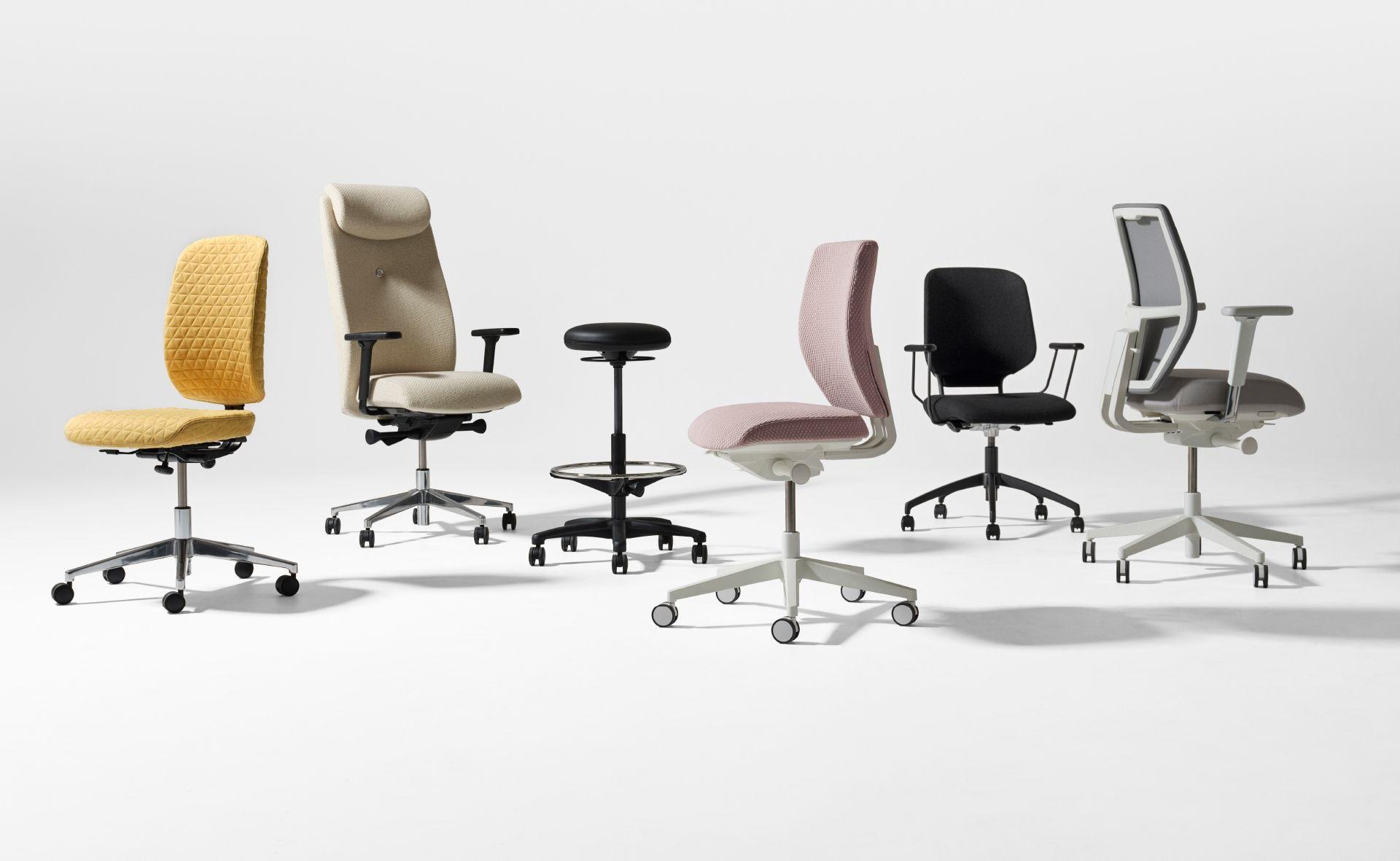
Shopping for an office chair doesn't sound like the most thrilling thing on your to-do list. But here's the deal if you're spending the better part of your day parked in a chair, that chair is doing a whole lot more for (or against) your body than you probably realize. The right chair can seriously level up your comfort, your focus, and your long-term health.
This complete buying guide for 2026 breaks down everything you need to know from what features actually matter to which type of chair fits your lifestyle. Whether you're setting up a home office, grinding through long work sessions, or just tired of that old squeaky chair from 2015, we've got you covered.
If you're sitting 8+ hours a day, your chair isn't just furniture, it's your daily survival tool. That's not an exaggeration. Poor seating is one of the leading causes of chronic back pain, neck stiffness, and that mid-afternoon slump that makes you want to call it quits at 2 p.m.
Here's what happens when you're stuck in a chair that just isn't cutting it:
The good news? The right office chair fixes all of that. It's an investment in your body, your work output, and honestly, your daily mood. Don't sleep on it.
Not sure where to start? Here's your no-fluff checklist. Run through these before you buy anything your future self will thank you.
Your feet should rest flat on the floor with your knees at roughly a 90-degree angle. Look for pneumatic height adjustment (the lever on the side) that lets you dial it in just right. A good range is typically 16 to 21 inches from the floor.
This one's non-negotiable. Your lower back has a natural inward curve, and without proper support, your muscles spend all day fighting gravity. Look for built-in lumbar support or, better yet, adjustable lumbar positioning so you can customize the fit.
You want about 2 to 4 inches between the back of your knees and the edge of the seat. Too shallow and your thighs lose support; too deep and you end up slouching forward. Width-wise, aim for a seat that gives you a little breathing room on each side comfort shouldn't feel like a squeeze.
Adjustable armrests (height, width, and ideally pivot) take the strain off your shoulders and neck. Your arms should rest comfortably with your elbows at about 90 degrees. Fixed armrests that don't match your body are basically just obstacles they can actually make posture worse.
Mesh is breathable and great if you run warm or live in a hot climate. It also tends to be more flexible and supportive for longer sessions. Leather (or faux leather) looks sharp and is easy to wipe down, making it a solid pick for executive setups or if you want that polished, professional vibe.
A smooth-rolling base with 360-degree swivel is a must if you're moving around your desk throughout the day. Look for quality casters, hard casters for carpet, soft casters for hardwood floors. Trust us, the wrong casters on hardwood will drive you absolutely nuts.
Not all office chairs are built the same. Here's a breakdown of the main types, what they do best, and who they're made for.
If you're clocking serious screen time we're talking 6, 8, even 10 hours a day an ergonomic chair is your best bet, full stop. These are purpose-built to support your spine, reduce fatigue, and keep your posture in check for the long haul.
Key perks of ergonomic chairs include fully adjustable lumbar support, customizable seat depth and tilt, headrest support for your neck and upper back, and breathable mesh that keeps things cool during marathon work sessions.
Want to look like you mean business? Executive office chairs combine plush comfort with a commanding, professional aesthetic. Think high backs, premium upholstery (often leather or bonded leather), and a design that says you've got the corner office energy even if your office is a spare bedroom.
These chairs are ideal for managers, executives, or anyone who wants a polished setup that still delivers on comfort. They typically feature wide, padded seats, integrated lumbar cushioning, and adjustable armrests.
Some folks do their best work when they're not sitting bolt upright. Recliner office chairs let you tilt back, stretch out, and find that sweet spot between "fully alert" and "totally zoned out." They're perfect for reading-heavy work, video calls, or anyone who likes to shift positions throughout the day.
Okay, this one's a game-changer for anyone dealing with chronic back pain, tension, or just the everyday grind of sitting too long. Full body massage chairs bring spa-level relief right to your workspace. We're talking built-in rollers, heat therapy, air compression, and targeted massage programs that work out the knots while you take your next call.
The best office chair isn't just the one with the most features, it's the one that fits your specific situation. Here's how to match a chair to your real-world setup.
WFH life means you're probably spending more time at your home desk than you ever expected. That means ergonomics matter more, not less. You want a chair that looks decent on video calls, offers full adjustability for all-day comfort, and fits the vibe of your home space without looking totally out of place.
Pro tip: measure your desk height before you buy. A chair that's too tall or too short for your specific setup will create strain no matter how "ergonomic" it claims to be.
If back pain is already a part of your daily routine, you need a chair with dedicated lumbar support, the ability to recline slightly (taking pressure off your spine), and ideally some form of padding or massage functionality. A flat, rigid seat is the enemy here.
Look for chairs with adjustable lumbar depth, contoured seat cushions, and recline tension control.
Best picks: Ergonomic chairs, recliners, or full body massage chairs.
Pulling 8, 10, or 12-hour sessions means comfort has to hold up not just for the first hour, but at hour nine when everything starts feeling like a grind. Breathable materials, dynamic lumbar support, and a seat with just the right cushion firmness (not too soft, not too hard) are key.
Best picks: High-end ergonomic chairs with mesh backing and multi-axis adjustability.
Working with a compact home office or a tight corner setup? You don't have to sacrifice comfort for size. Look for chairs without oversized headrests that extend too far back, and prioritize slim-profile armrests that tuck under the desk.
Best picks: Compact ergonomic chairs or mid-back executive chairs with a slimmer footprint.
Buying the wrong office chair is easier than you'd think. Here are the most common slip-ups people make and how to dodge them.
Choosing price over comfort We totally get it, budget matters. But a $50 chair that wrecks your back will cost you way more in chiropractor visits. Think of a quality chair as a long-term investment, not just another purchase.
Ignoring lumbar support This is the single most important feature for spinal health, and it's the first thing budget chairs skip. Never buy a chair without proper lumbar support, full stop.
Not checking adjustability Make sure the chair you're buying has enough adjustability to actually fit your body, not just a "standard" body type.
Buying without measuring your space It sounds obvious, but a ton of people buy chairs that don't fit their desk height or room layout. Measure your desk, your floor space, and your own body dimensions before you order.
Going by looks alone, that super sleek chair might look incredible in photos, but if the seat pan is rock-hard and the lumbar is nonexistent, you'll be miserable by noon. Aesthetics are great, but function comes first.
Office chairs have come a long way, and 2026 is delivering some seriously impressive innovations. Here's what to keep an eye out for as you shop.
Yeah, smart chairs are a real thing now. Some high-end models come equipped with posture sensors that alert you when you've been slouching for too long, or track your sitting patterns over time. Think of it as a fitness tracker for your workday. Niche? Sure.
Memory foam seat cushions have made the jump from mattresses to office chairs in a big way. They contour to your body shape, distribute weight evenly, and hold up much better over time than traditional foam. If you've ever sat in a chair that felt great for a month and then turned into a flat pancake, memory foam is the upgrade you've been waiting for.
Mesh isn't new, but the engineering behind it keeps getting better. Modern mesh chairs offer zoned tension firmer in the lumbar region, more flexible in the upper back so the support adapts to how you actually move throughout the day. It's a total win for anyone who gets warm sitting for long periods.
The trend in 2026 is full customization. We're not just talking seat height anymore; the best chairs now offer adjustable headrests, adjustable lumbar height and depth, seat depth sliders, multi-directional armrests, and tilt limiters. The more a chair can adapt to you specifically, the better it performs over time.
Your office chair is one of the most important pieces of equipment in your workspace, and it deserves way more attention than most people give it. Whether you're grinding through long work-from-home days, managing chronic back pain, or just looking to upgrade your setup, the right chair makes an honest-to-goodness difference in how you feel and how you perform.
Start with what you need most: back support, comfort for long hours, a sleek executive look, or serious pain relief. Then match that need to the right type of chair. Don't get swept up in flashy features you don't need, and don't cheap out on something you'll be using every single day.
Your body works hard for you. Give it a chair that actually works back. If you're looking to explore good quality options, you can also check trusted choices at Home Desk Express.