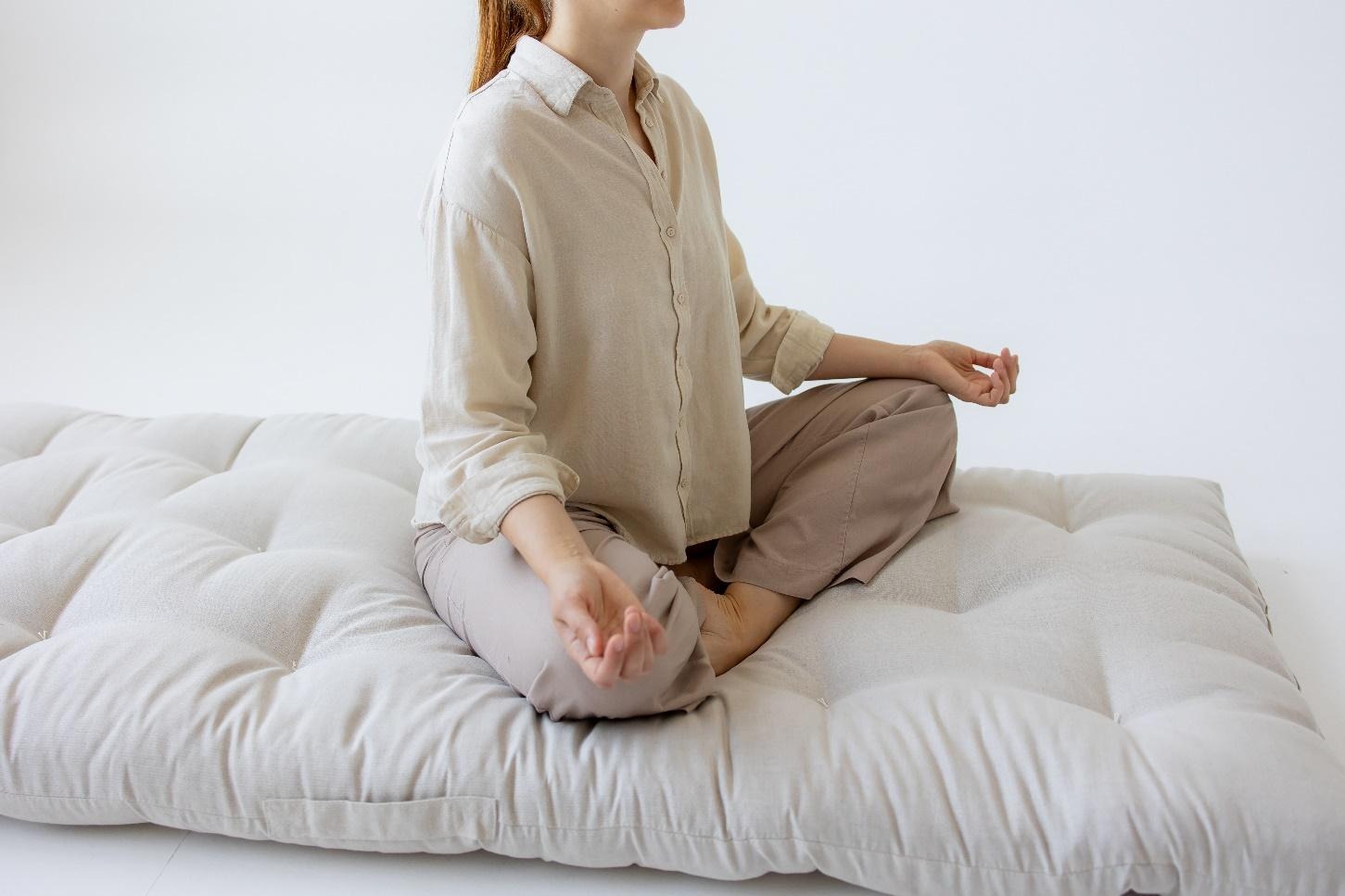
It is always difficult to establish a regular yoga practice at home, not due to ability but because of the surroundings. Many individuals do not realize the influence of the environment on concentration and inspiration. A well-thought-out area can transform occasional classes into a long-term routine and will enhance the overall performance.
How Your Environment Shapes Yoga Practice at Home
With your place arranged and planned, it will be more comfortable to maintain a regular concentration throughout every yoga session at home. A lot of practitioners begin with the correct base, like a hemp yoga mat, which will provide stability and comfort during a yoga exercise.
When space arrangement is important:
• Studio to home yoga. By establishing a comfortable, undistracted environment, it is possible to reproduce the attention and organization of studio sessions.
• Establishing a yoga practice. Habits are built through a stable environment, which makes habits easier to sustain.
• Practising yoga poses in a small apartment. A neat corner will guarantee a sufficient space to move without interfering with comfort.
• Becoming less distracted in mindful movement practice. Less clutter allows one to stay focused and enhances the effectiveness of every session.
What to Look for in Your Yoga Surface and Gear
Stability, comfort, and safety directly depend on the surface you are practicing on. The use of appropriate materials improves your yoga experience at home and your posture during the movements.
Gear attributes that make home yoga:
• Natural surface, no slip, no slap. Gives a grip and avoids slipping when changing between poses.
• Portable and easy storage. Helps keep a clean and flexible home yoga environment easily.
• Soft floors cushion appropriately. Reduces pressure on joints while performing yoga poses.
• Non-toxic and environmentally-friendly materials. Promotes personal responsibility and environmental friendliness.
Practical Steps to Set Up Your Home Yoga Space
The best way to practice yoga at home is by creating the appropriate environment. A properly designed area promotes concentration and facilitates movement.
Environment design tips:
• Select a well-organized space. An uncluttered, focused area enhances focus and eliminates mental clutter.
• Natural or warm lighting. The use of soft lighting gives the room a relaxing and concentrated effect.
• Have necessities at hand. With props on hand, there will be less transitioning during your yoga routine.
• Add calming elements. The overall experience and routine can be improved by the use of plants, smell, or gentle sound.
“The first pose is the space of your yoga, make it purposeful, and all the other practices that will come afterwards will become simpler.”
Conclusion
Intentional space design maintains a successful yoga at home practice. With the help of a specific environment, supportive equipment, and natural materials, you establish the background of consistency and progress. Carefully constructed space will lead to practice in its turn!
FAQ
What is so special about your yoga at home space as compared to the pose?
An effective space will enhance concentration and uniformity. Hence, yoga practice at home will be more effective.
How do you do a yoga exercise at home as a beginner?
The best way to practice yoga at home is to find a special place, select comfortable equipment, and develop a routine.
Which yoga poses are suitable to practise at home?
Simple yoga postures such as seated stretches and standing balances can be practiced in a small home yoga practice.
What about being consistent with yoga at home?
Develop a schedule, minimize distractions, and make a home environment conducive to making your yoga practice at home regularly.