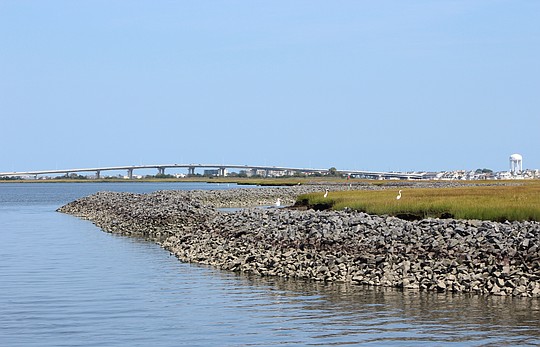
In Annapolis and across Anne Arundel County, the water is part of everyday life. You see masts from the road, you know how quickly weather can shift, and you understand that a calm day can still demand attention. That local comfort is useful, but it can also create a blind spot when you travel.
A boat tour abroad often comes with different routines, different expectations, and different risks. If you treat it like “same thing, new scenery,” you are more likely to miss the details that keep a day on the water smooth.
The biggest difference is not skill. It is context. Abroad, you might be dealing with unfamiliar check-in processes, a crew that explains safety in a different style, and conditions you do not read as easily. Even simple things, like where you stand on deck or how you enter the water, can feel different when the boat, briefing, and pace are new.
Then there is the sneaky factor that catches a lot of travelers: sun and dehydration. On vacation, people often underestimate how fast heat and wind can drain you, especially when you are excited and moving around.
Start with the boring questions. They are boring because they work. Ask what is included, what costs extra, and how long you are truly on the water. “Four hours” can mean four hours from check-in to return, not four hours cruising.
Also ask about capacity. A tour can be perfectly safe and still feel stressful if it is crowded and you are a first-timer. If you want fewer variables, consider renting a catamaran, since they typically reduce crowd pressure and give you more control over timing and pace.
You are not looking for perfection. You are looking for signs of structure. A reputable operator will usually provide clear meeting instructions, a straightforward cancellation policy, and a real safety briefing. On the day of, life jackets should be visible and easy to access, not treated like an afterthought.
If you are comparing options for a destination like Cabo, do not be shy about asking these questions in advance. The way a company answers tells you a lot about how the day will run.
A good packing list is not about gadgets. It is about removing preventable problems.
Bring sun protection you will actually use, not just what you own. That means sunscreen you will reapply, sunglasses that stay on, and a hat that does not fly away the first time the boat picks up speed.
Pack one waterproof solution for your phone and essentials, plus a small amount of cash. Add deck-friendly footwear that grips, and a light layer for wind. If you are prone to motion sickness, do not improvise on vacation. Bring a plan you already trust.
Show up early enough to find the meeting point without stress. Confirm the boat name if there are multiple departures. If anything is unclear, ask before you board. Small confusion on land becomes bigger confusion on water.
Even if you have heard a hundred safety talks, listen like it is new. Pay attention to where the life jackets are, how the crew wants you to move on deck, and what the plan is if conditions change. If drinks are offered, note any guidance about pacing. Alcohol and sun are a rough combination when you are on a schedule you did not design.
You do not need to be nervous. You just need to be consistent.
Move slowly during transitions. Use a handhold when you have one. Do not rush stairs or wet surfaces. If you are carrying a phone or bag, pause and stow it before you start moving again. Most minor injuries happen during “in between” moments, not during the main activity.
Hydrate early. Waiting until you feel thirsty usually means you are already behind. Reapply sunscreen with intention, especially after swimming.
If your tour includes snorkeling in the Sea of Cortez, treat it like a normal swim session, not a performance. Make sure your mask fits before you jump in, keep awareness of your distance from the boat, and do not push your stamina just because everyone else looks comfortable. A calm, steady pace is safer and more enjoyable.
Boats put you close to things you do not get on land, and that is part of the appeal. But the standard rules are simple: look, do not touch. Do not feed wildlife. Do not chase it for a better photo. Follow crew guidance around protected areas, and secure anything that can blow overboard.
This is also where calmer setups can help. When you are not squeezed into a crowd, it is easier to make careful decisions and follow instructions without feeling rushed.
If you start to feel seasick, speak up early. Sit low and stable, focus on the horizon, and sip water. Waiting in silence rarely improves things.
If someone slips or gets hurt, your job is not to be a hero. Your job is to get crew attention and then step back so they can work. Clear space helps more than extra hands.
If conditions shift, accept that the crew may change the plan. That is not failure. It is risk management. The best days on the water are often the ones where the crew makes conservative calls without drama.
Here is a simple list to run through without overthinking it.
Before booking
Night before
At check-in
On board
If you have spent time on the Chesapeake, you already know the philosophy. Respect the water, check the details, and keep a simple plan. Travel does not change that. It just adds new variables.
If you want an example of an operator that lays out trip details clearly while you compare options, La Isla Tour is one name you may see when researching Cabo. Whether you choose them or someone else, the bigger point is the same: a good boat day is not about bravado. It is about preparation, pacing, and paying attention.