Your brewery shop can pour great beer and still lose momentum at the register. When checkout feels slow, awkward, or disconnected, customers remember the friction more than the product. Expectations are higher because shoppers are used to contactless payment, mobile ordering, and cleaner retail tech.
The strongest brewery shop checkout systems do more than process a sale. They shorten lines, support age verification, and help staff stay present with customers instead of being buried in screens. My view is simple: brewery shops should aim for faster, more human checkout, not a clumsy copy of big-box self-service.
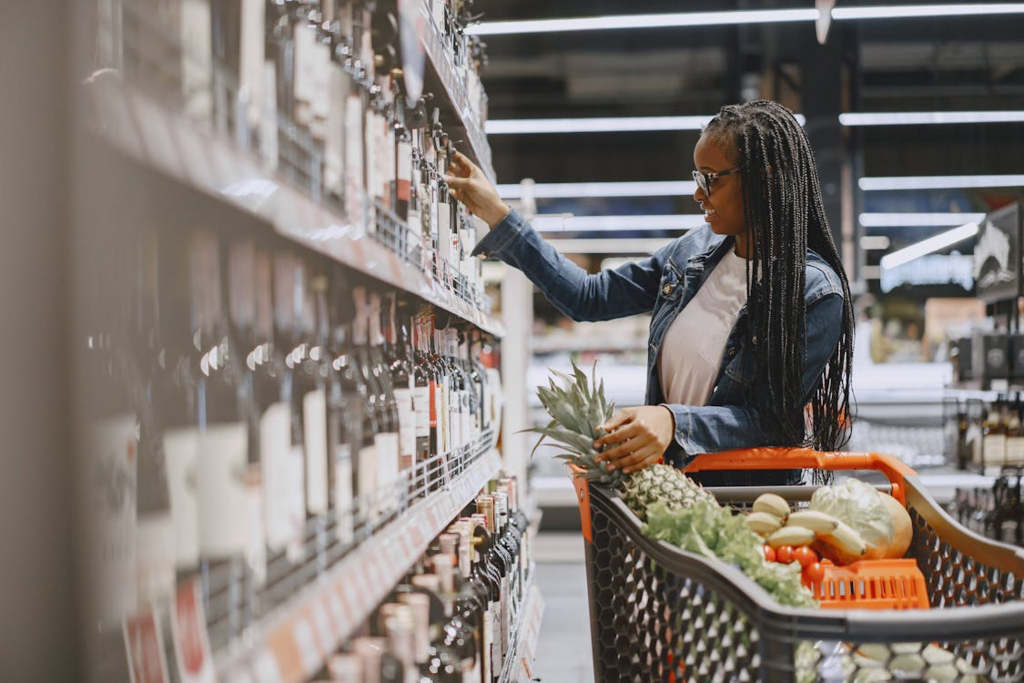
Photo by Gustavo Fring on Pexels
Automation can help brewery shops, but only when it supports service instead of replacing it. This is still a category built on trust, conversation, and compliance. The goal is to automate repetitive steps. The goal is not to remove people from the checkout experience.
For brewery retail, full self-checkout is often the wrong model. Age-restricted sales and product questions still need visible staff support. Assisted self-checkout works better because it keeps speed without losing oversight.
That balance protects the brand as much as the line. Your staff is there to guide, recommend, and fix confusion before it spreads.
Age verification is one of the biggest checkout pressure points in alcohol retail. Better ID scanning, cleaner prompts, and faster approval steps can shorten that moment without weakening compliance. That is basic checkout design, not a premium feature.
My original opinion is that many brewery shops still frame age checks as an interruption. When verification is built into the flow properly, it feels professional instead of awkward.
A smart checkout system should help your staff sell with better context. If someone buys a barrel-aged release, the system can prompt a glassware suggestion, bundle, or loyalty offer that fits. Used lightly, that turns data into better timing rather than robotic selling.
A brewery shop handles more moving parts than a typical counter. One basket can include limited releases, merch, glassware, pickup items, and member pricing. That creates more chances for delays. Even a small pause feels bigger when the visit is supposed to feel easy and social.
Most customers arrive in a good mood. A long line can kill that mood fast, even after a tasting or event when traffic spikes at once. If one register becomes the bottleneck, excitement turns into impatience.
A generic POS, unlike the standard liquor store POS built for alcohol retail and breweries, can ring up products. Deposits, mixed packs, club discounts, age checks, and preorder pickups can all appear in the same sale. If the system treats those steps as exceptions, staff start improvising.
Checkout friction changes buying behavior before payment even starts. When customers expect a line, they often skip the extra four-pack or leave merch behind. That makes slow checkout a revenue issue, not just a service issue.
A smarter brewery retail checkout system protects impulse purchases. It also keeps release-day demand moving without making the shop feel rushed.
The best brewery shop checkout systems match buying patterns. Some customers want a thirty-second purchase and nothing else. Others need pickup help, loyalty rewards, or product advice. One rigid flow slows all of them down.
You do not need a large footprint to create better flow. One quick-pay station can stop simple orders from getting trapped behind gift bundles, club questions, or pickup corrections. That single change can make your shop feel calmer during rushes.
It is useful on release days. A customer collecting one reserved case should not stand behind a long custom order.
Mobile POS for breweries has become one of the smartest upgrades this year. A handheld device lets staff check out customers near the cooler, in line, or during an event instead of pushing everyone to one fixed register. That reduces visible queue stress and keeps service more personal.
It also gives you flexibility when traffic shifts suddenly. Brewery demand is uneven, so your checkout tools should move with your team.
Customers do not care which internal system owns the order. They care whether pickup is easy and whether staff can answer questions quickly. When retail, taproom, and online orders are disconnected, customers wait while your team searches.
Customers want speed, but they also want confidence. If the terminal lags or the payment flow feels messy, trust drops quickly. Strong taproom checkout systems remove that uncertainty. They make payment simple on the surface and stronger underneath.
Most customers now expect contactless cards, mobile wallets, and digital receipts as standard options. When your checkout adds extra steps to those methods, the experience feels older than your brand. Speed often comes from familiarity, not novelty.
Accessibility should not be an afterthought at the register. Clear prompts, readable screens, reachable hardware, and straightforward payment steps make the experience easier for more people. They also reduce hesitation for customers who are simply in a hurry.
Smaller retailers often ignore this for too long. Customers notice when payment feels cramped, confusing, or harder than it should be.
Security works best when customers barely notice it. Tokenized payments, stronger permissions, and updated compliance practices reduce fraud and failures without adding visible friction. That matters because customers judge security by outcomes.
Many brewery shops still treat checkout as something that either works or breaks. That mindset is too narrow. Checkout influences conversion, average order value, and return visits. It should be managed like a growth tool, not just a utility.
Start with basic numbers: average wait time, peak delays, failed transactions, and purchase drop-off. Those metrics tell you whether your checkout changes are helping or just adding complexity. They also show whether the real issue is staffing, layout, or software.
Checkout data becomes far more useful when it feeds the rest of the business. It can show which products sell together, which offers move revenue, and which releases create add-on purchases. That makes your brewery POS system useful beyond the register.
You do not need enterprise analytics for this. You need enough connected insight to make better weekly decisions.
You do not need a full front-of-house rebuild to improve the customer experience. One mobile device, one quick-pay lane, or one better age-check flow can create meaningful gains. Smaller tests also reduce risk and make staff adoption easier.
Smarter checkout systems improve customer experience in brewery shops because they respect how brewery retail actually works. You are not only processing transactions. You are protecting the mood of the visit, handling compliance, and creating one last chance to make the customer feel confident about buying from you again.
The strongest strategy this year is not maximum automation. It is a better orchestration. You want mobile flexibility, faster payments, cleaner age verification, and connected inventory, but you also want staff visible enough to guide and reassure. When those pieces work together, your brewery shop feels faster without feeling less human.