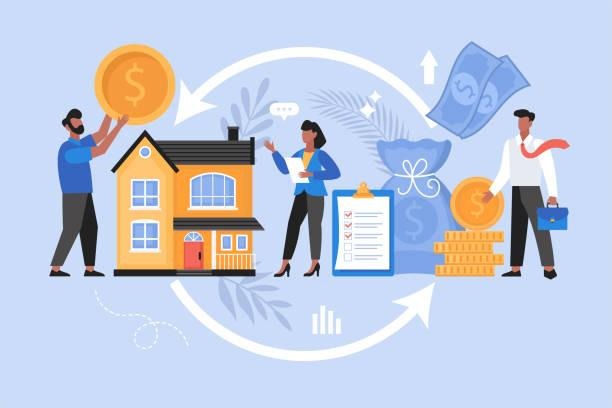
Home values have climbed in many neighborhoods, and for countless older homeowners, that rise feels like more than a number on paper. It feels like possibility. It feels like breathing room. It feels like the moment when years of mortgage payments, repairs, sacrifices, and patience finally begin to give something back. For those living in higher-value homes, this is where a jumbo reverse mortgage enters the conversation with surprising power.
This guide explores how these larger lending options work, who they may help, and why rising property values are changing retirement planning in very personal ways. Because when a home has grown into a significant financial asset, you may be looking at more than walls and windows. You may be looking at freedom.
Why Elevated Equity Changes the Conversation Around a jumbo reverse mortgage
Traditional retirement planning often focuses on savings accounts, pensions, and Social Security. Yet for many homeowners, the largest asset sits quietly under the roof above them. When home prices rise, the equity inside that property can become a meaningful source of support.
A jumbo reverse mortgage is generally designed for homeowners with high-value properties that exceed the lending limits tied to standard reverse mortgage programs. That matters because if your home is worth much more than conventional thresholds allow, you may be able to access a greater portion of your equity through a private loan product built for larger values.
And this is where emotions often come in. A house is rarely just a house. It is the kitchen where birthdays happened. It is the hallway where children marked their height against the wall. It is the front porch where difficult conversations softened at sunset. So when rising equity opens a financial door, it is not simply about money. It is about choices, dignity, and staying rooted in what feels like home.
How reverse mortgage jumbo loans Work for High-Value Homes
At its core, a reverse mortgage allows eligible older homeowners to borrow against home equity without making required monthly mortgage payments on the borrowed amount, as long as they continue meeting loan obligations such as property taxes, insurance, and home maintenance. The loan is typically repaid when the homeowner sells, moves out permanently, or passes away.
reverse mortgage jumbo loans are tailored for homes with values beyond standard federal lending caps. Because they are proprietary products offered by private lenders, terms, qualification standards, and payout structures can vary. That means careful comparison is essential.
You may receive funds in different ways, depending on the lender and product. Some offer lump sums. Others may provide structured payments or a line of credit. This flexibility can help meet a range of goals, from paying off an existing mortgage to covering healthcare costs, renovating a home for aging in place, or simply creating more comfort in retirement.
Who May Benefit Most From Higher-Limit Reverse Options
These loans are often best suited for homeowners who have built substantial equity and want access to it without selling the property right away. They may appeal to retirees living in expensive real estate markets, homeowners with luxury properties, or those who have outgrown the limits of federally insured programs.
Imagine a homeowner who appears comfortable from the outside but quietly feels pressure every month. Rising insurance premiums, medical bills, family support, and everyday living costs can cast a kind of darkness over retirement plans. There was once an older neighbor who kept every light on in the house after sunset, saying the darkness made worries sound louder. After finally tapping into her housing wealth, she did not describe it as a financial transaction. She called it relief. The home stayed the same, but the fear inside it softened.
That is often the hidden story here. Home equity can help restore peace, not just purchasing power.
Important Benefits to Weigh Carefully
The appeal of these loans often starts with access. Higher home values can translate into larger available proceeds. That can be life-changing for households needing a significant cash infusion while wanting to remain in familiar surroundings.
Another benefit is flexibility. Depending on the product, funds may support debt reduction, emergency reserves, long-term care planning, or home modifications such as stair lifts, wider doorways, or safer bathrooms.
There is also a less discussed emotional benefit: control. In retirement, many people fear feeling boxed in by circumstances. Accessing home equity may expand the range of available decisions at a moment when choices matter deeply.
Still, no financial tool is universally right. Interest accrues over time, which reduces remaining equity. Fees may be higher than expected. And because proprietary products differ, reviewing loan terms with trusted professionals is wise.
What to Ask Before Moving Forward With reverse mortgage jumbo loans
Before choosing a lender, you should ask clear, practical questions. What are the interest rates? Are they fixed or variable? What fees apply? How will the balance grow over time? What happens if the home value changes? How much equity may remain for heirs?
This process should never feel rushed. In fact, some decisions deserve a slower rhythm. A retired teacher once described reading loan paperwork in a hypnologic state late at night, hovering between fatigue and hope, where every sentence seemed both crystal clear and strangely foggy. By morning, the choice looked different. That is a useful reminder. Big financial decisions deserve daylight, rest, and a second conversation.
It also helps to discuss future plans. If you expect to move soon, downsizing or selling may be more practical. If you want to remain in the home for years and need liquidity, the loan may be worth closer consideration.
Protecting Family Goals While Using Home Equity
One common concern involves inheritance. Many homeowners want to support their own retirement while still leaving something meaningful behind. That balance can be emotionally loaded, especially when the family home carries memories no spreadsheet can measure.
Open conversation matters. Adult children may assume a home will stay untouched, while parents may quietly need its value to live more securely. Honest planning can reduce surprise and resentment later.
There was once a grandfather who used to sing softly while watering his roses every evening. When his family finally talked openly about finances, he told them he wanted to keep singing in that same garden, not spend his final years worrying indoors. That small image captures the heart of the issue. Sometimes preserving quality of life in the present is the most loving legacy of all.
A Smart Path Starts With Clarity
A high-value home can be more than a prized asset. It can be a bridge between the life you built and the retirement you still want to shape. A jumbo reverse mortgage may offer meaningful access to wealth already sitting inside your property, while reverse mortgage jumbo loans can provide alternatives for homeowners whose homes exceed standard program limits.
The key is not to chase the biggest number. The key is to match the loan to your goals, your timeline, and your family priorities. Rising home values have created new opportunities, but good decisions still come from patience, education, and honest conversation.
When used thoughtfully, a jumbo reverse mortgage can turn equity into breathing room, confidence, and renewed possibility. And in a season of life where stability means everything, that kind of option can feel less like borrowing and more like reclaiming the future your home helped build.