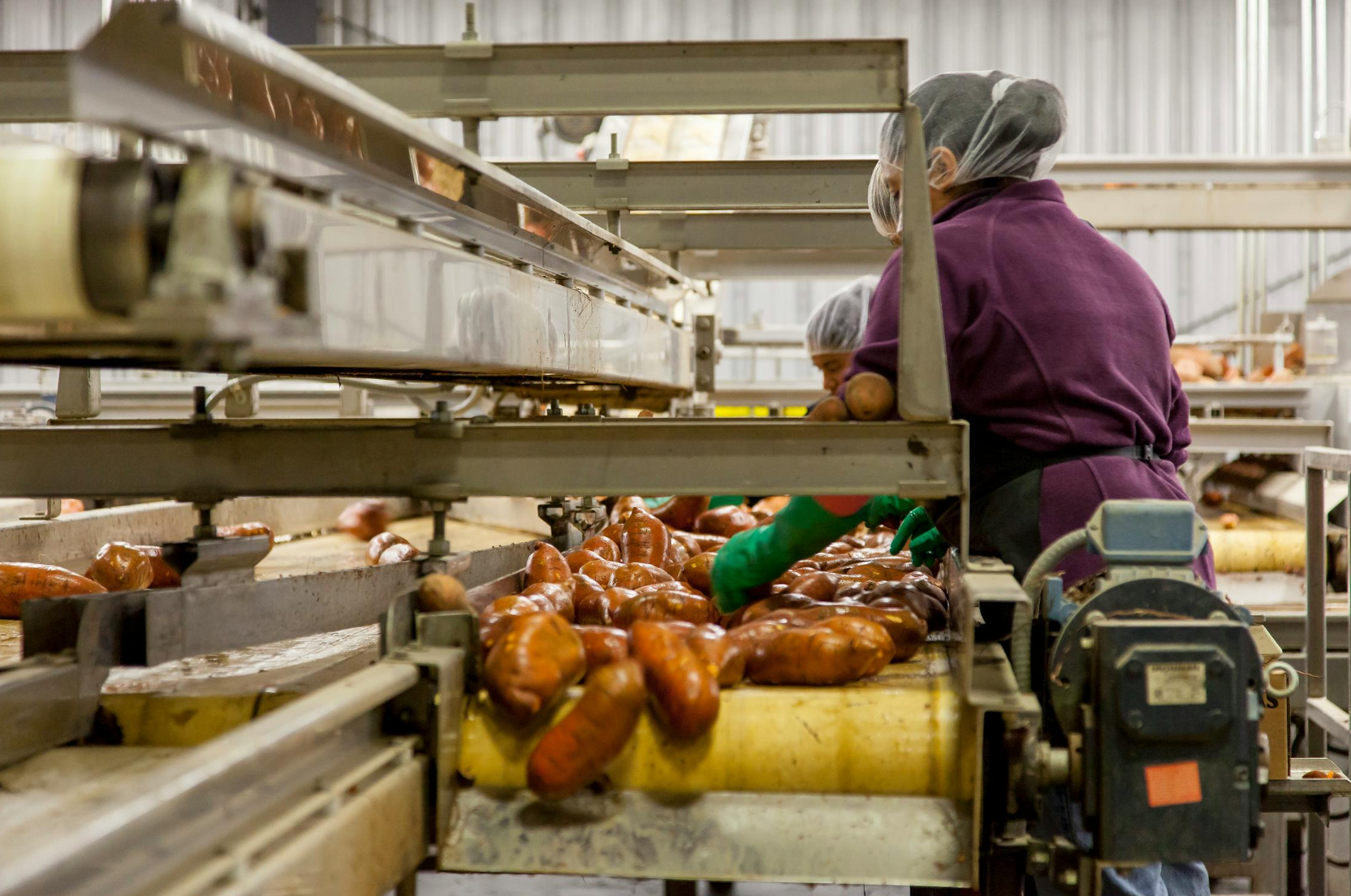
Trust has become a rare commodity in the business landscape, particularly among entities involved in food manufacturing and processing. Following the COVID-19 pandemic, consumer confidence in the safety of food-related operations has reached record lows. We are uncertain whether the items we purchase are properly sanitized and suitable for our household.
Quality Assurance & Food Safety magazine highlights that consumer trust in US food safety has been declining. In 2025, the International Food Information Council conducted a survey that showed only 55% of Americans are confident about food safety.
In these low-trust circumstances, businesses must rise to the challenge of confidence, showcasing their abilities to produce reliable food items. This requires not only a reexamination of manufacturing functions but also key operational areas, including processing, sanitation, and packaging.
We identify the necessary changes in three key areas of food manufacturing to regain and maintain customer trust.
Of foremost urgency is the need to establish a food safety culture throughout an organization that applies beyond independent practices to emphasize a collective mindset.
Think about a food processing setting where everyone, from the floor worker to the C-suite executives, is attuned to the safety risks and understands the necessary prevention protocols they must follow. People don’t pass the buck for fear of losing their jobs. They don’t hide crucial information because it might be revealing for a certain department or industry body.
This will become key as federal cuts potentially increase the risk of foodborne illnesses in America. Some news channels report that surveillance programs may monitor fewer pathogens. Both the CDC and the FDA are also experiencing low morale and excessive pressure. This has affected the number of facility inspections.
Fayette Industrial recommends that leaders prioritize prevention in their food plant sanitation programs and reinforce accountability among employees.
A cultural transformation will ensure that this crucial operational aspect has discipline and zero tolerance for error.
The US may have top-notch processing facilities. These setups can create complex varieties of our favorite foods for timely distribution and exports. But does this mean our foods are chock-full of harmful chemicals that could lead to long-term health problems?
Processing is a frequent target of apprehension since it involves chemical agents in the context of food. A few recent research studies have shown that excessive exposure to preservatives and artificial flavorings could be linked to chronic conditions.
CNN reports the results of an alarming study that found additives in 70% of baby and toddler foods. These additives may cause inflammation and disturb the gut microbiome. It’s no wonder that over 70% of adults are also concerned about their exposure to harmful chemicals in food, as noted by The Pew Charitable Trusts.
While chemicals like PFAS and bisphenols have well-documented side effects, food manufacturers must also evaluate other, easier-to-overlook, ingredients.
For example, the FDA explains how (too much) sodium, a common component of wafers and sauces, can lead to blood pressure problems. The current scenario warrants that firms look beyond regulatory guidelines and take responsibility to help customers make informed, healthier choices. This can happen only when they follow healthier processing practices.
Finally, food storage in the warehouse cannot continue in poorly monitored settings. In this age of automation and AI, with numerous quality assurance technologies available, contamination should not even be an issue.
Unfortunately, incidents like the multistate outbreak of infant botulism in late 2025 indicate otherwise. Several babies who consumed
ByHeart’s formula experienced symptoms of the dangerous disease.
The FDA reports that subsequent investigations of the botulism outbreak revealed the presence of Clostridium botulinum, the bacteria responsible, in the cans. Even worse, the problem stemmed from the company’s failure to manage rodent activity and floor conditions.
For food manufacturers, guaranteeing optimal storage must become a priority. Looking past temperature control and pest management, many firms have started ramping up their monitoring of:
Again, it will demand a cultural realignment to develop accountability among multiple departments, including warehousing, quality assurance, and distribution.
In the coming years, we can expect the food industry in the US to experience drastic changes. Shifting paradigms are phasing out several additives, from MSG to aspartame. The Food Traceability Rule aims to facilitate quicker identification and removal of infected products from the market. Effective since January 2026, it mandates record-keeping compliance by July 2028.
Food manufacturing, a core and indispensable component of the global economy, must change in step with the times. Recent incidents have depleted customer trust in this sector, but being proactive about addressing these concerns can help the US become more food-positive.
A great place to start is with a close reassessment of operational areas that directly affect what customers consume and purchase for their families.