Life after 40 often brings a sharper awareness of overall health, and oral care deserves a place at the top of that list. Teeth and gums go through gradual changes during this stage. Enamel may thin, gums may recede slightly, and long-standing dental work can begin to show wear. None of this calls for alarm, but it does call for intention.
A steady routine, thoughtful product choices, and consistent dental visits create the foundation for lasting oral health. Staying proactive keeps small concerns from turning into larger problems and helps maintain comfort, function, and confidence.
Teeth naturally experience wear over time. Years of chewing, grinding, and exposure to acidic foods can thin enamel and make teeth more sensitive. Temperature changes may feel sharper, especially near the gumline where roots can become exposed. Gum tissue also shifts gradually, which can create small pockets where plaque collects more easily.
Dry mouth becomes more common after 40, often linked to medications or hormonal changes. Reduced saliva affects how well your mouth clears food particles and neutralizes acids. Increased plaque buildup can follow, raising the risk of decay and gum irritation. Older fillings and crowns may begin to loosen or trap bacteria along their edges.
Tooth loss can happen for several reasons, including untreated decay, gum disease, or fractures. Leaving a gap untreated affects more than appearance. Adjacent teeth may shift, chewing efficiency can decline, and jawbone density may gradually decrease in the missing area.
Traditional bridges and removable dentures remain viable options for some patients. Bridges rely on neighboring teeth for support, while dentures replace multiple missing teeth with a removable appliance. Each solution has benefits and limitations that depend on oral health, bone structure, and lifestyle needs. Dental implants offer a more stable and long-term approach when conditions allow. Patients seeking a long-term, stable tooth replacement solution can opt for osseointegration dental implants to restore strength, function, and lasting structural support. These implants integrate directly with the jawbone, helping maintain bone density and providing a secure foundation for crowns.
Gum health becomes especially important after 40 because the risk of periodontal disease increases with age. Plaque that remains along the gumline can harden into tartar, leading to inflammation and infection. Early-stage gum disease may present as redness, swelling, or bleeding during brushing.
Advanced periodontal disease can damage the supporting structures of teeth. Bone loss and gum recession may follow, potentially leading to tooth mobility. Research continues to highlight the connection between gum disease and systemic health, including cardiovascular concerns and diabetes management. Consistent professional cleanings remove buildup that brushing and flossing cannot reach.
A reliable routine keeps oral health on track. Brushing twice a day with a soft-bristled toothbrush helps protect enamel and minimize gum irritation. Gentle circular motions along the gumline remove plaque effectively without causing unnecessary wear. Electric toothbrushes can offer added precision for those who prefer guided pressure control.
Flossing once a day removes debris from areas a toothbrush cannot reach. Careful technique matters. Sliding floss gently beneath the gumline and hugging each tooth helps reduce plaque buildup between teeth. Consistency plays a larger role than intensity. Toothpaste selection should match your needs.
Diet plays a steady role in maintaining strong teeth and resilient gums. Calcium-rich foods such as dairy products, leafy greens, and fortified alternatives help support bone density, which remains essential for tooth stability. Vitamin D supports calcium absorption, making safe sun exposure and nutrient-dense foods valuable additions to your routine.
Crunchy fruits and vegetables, including apples and carrots, stimulate saliva production while providing fiber and essential nutrients. Saliva acts as a natural defense system, helping rinse away food particles and neutralize acids. A well-hydrated mouth maintains a healthier balance of bacteria.
Appearance often becomes a greater priority in midlife, especially as stains and minor imperfections become more noticeable. Years of coffee, tea, or wine consumption can darken enamel. Professional whitening treatments offer a controlled and safe method for improving brightness while minimizing sensitivity. Over-the-counter options may help, though professional guidance ensures better results.
Small chips and uneven edges may develop from long-term wear. Cosmetic bonding can smooth these imperfections and restore a balanced look. Porcelain veneers remain another option for individuals seeking more dramatic improvements, though suitability depends on enamel condition and overall oral health. Teeth alignment may also shift subtly over time.
Increased sensitivity can develop as enamel thins and gum recession exposes root surfaces. Cold air, hot beverages, or sweet foods may trigger discomfort. Desensitizing toothpaste formulated to block nerve signals offers gradual relief when used consistently. Gentle brushing techniques further reduce irritation and prevent additional enamel wear.
Dry mouth presents its own challenges. Saliva supports digestion, protects enamel, and limits bacterial growth. Reduced saliva flow may stem from medications, stress, or hormonal changes. Persistent dryness increases the risk of cavities and gum inflammation. Staying hydrated throughout the day encourages saliva production. Sugar-free gum containing xylitol can stimulate natural saliva flow while limiting bacterial growth.
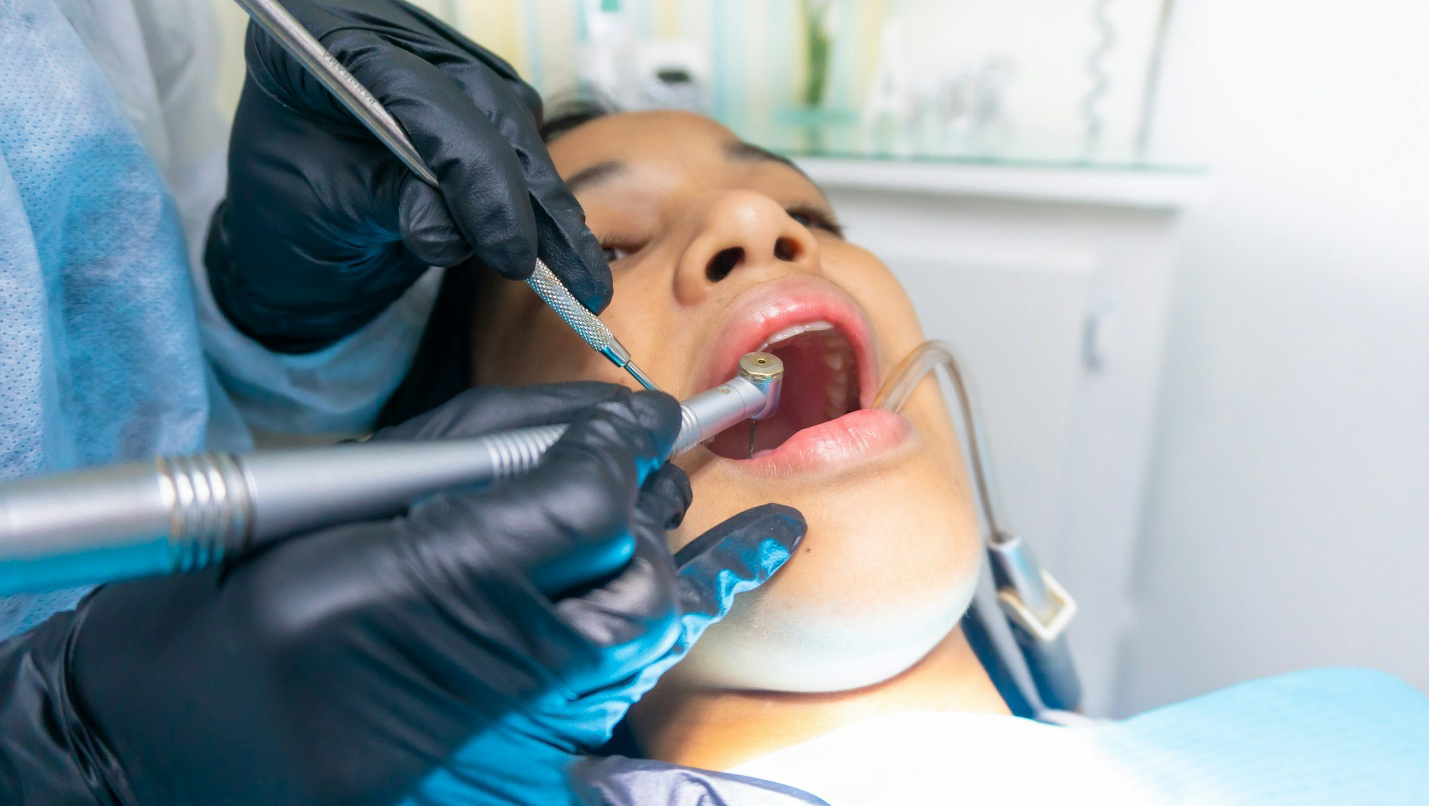
Regular dental visits remain a cornerstone of oral health after 40. Professional cleanings remove hardened tartar and allow early detection of potential issues. Most adults benefit from checkups every six months, though some may require more frequent visits depending on gum health or medical conditions.
Oral cancer screenings become increasingly important with age. Dentists examine soft tissues, the tongue, and the throat for early signs of abnormal changes. Early detection significantly improves treatment outcomes and reduces complications. Existing dental restorations also require monitoring. Crowns, fillings, and bridges can wear down or loosen over time. Evaluating these restorations during routine appointments ensures they continue to function properly and do not harbor bacteria.
Healthy teeth and gums after 40 depend on steady habits, informed decisions, and regular professional care. Age brings natural changes, yet proactive steps preserve strength and comfort. A thoughtful hygiene routine, balanced nutrition, and timely dental evaluations work together to protect your smile.
Attentiveness to gum health, sensitivity, and cosmetic concerns supports both function and confidence. Clear communication with your dentist ensures that any emerging issues receive prompt attention. Consistency remains the key factor. Small daily efforts, reinforced by preventive care, create lasting benefits and help maintain a healthy smile for years ahead.