When people think about dangerous driving, they often focus on speeding, distractions, or alcohol. However, fatigue is also a serious risk that gets overlooked. Drowsy driving can be as dangerous as driving under the influence. A tired driver may keep their hands on the wheel and eyes on the road, but their judgment and reaction time can be seriously affected.
The signs of fatigue are less obvious than those of drunk driving, making crashes caused by tiredness often go unnoticed. It can be hard to identify drowsy driving after a crash since fatigue doesn’t leave clear evidence like alcohol does. A driver may not admit to being too tired, and there may not be a test to show how exhausted they were. However, slow reactions, drifting from lanes, missing signals, and poor choices can all indicate that fatigue played a role in the collision.
Drowsiness Can Impair Driving More Than Many People Realize
Fatigue affects the brain in ways that directly interfere with safe driving. A drowsy person may struggle to process information quickly, maintain focus, or respond to sudden changes in traffic. Even if the driver does not fall asleep completely, they may still be functioning with slowed awareness and poor judgment. That makes fatigue dangerous long before a person reaches the point of fully nodding off.
What makes this especially troubling is how easy it is for drivers to underestimate their own condition. Many people believe they can push through tiredness with coffee, loud music, or open windows. Those temporary efforts may help them feel more awake for a short time, but they do not restore alertness in the same way that real rest does. A fatigued driver may feel in control while actually being far less capable than they think.
Delayed Reactions Can Turn Ordinary Traffic Situations Into Major Crashes
Safe driving depends heavily on reaction time. Drivers constantly respond to brake lights, traffic signals, lane changes, pedestrians, and sudden stops. When fatigue slows those reactions even slightly, the results can be severe. A delay of just a second or two can mean the difference between braking safely and slamming into another vehicle at full speed.
This is one reason drowsy driving can be so dangerous in everyday traffic conditions. A tired driver may not react quickly enough to a car merging ahead, a child crossing near a neighborhood street, or traffic slowing on a busy road. The crash may appear sudden, but the real problem often began moments earlier when the driver’s brain failed to respond in time. That delayed response is often one of the clearest signs that fatigue played a role.
Many Fatigue-Related Crashes Happen Without Obvious Evidence
Unlike alcohol-related accidents, drowsy driving does not always leave behind a straightforward form of proof. There is no simple roadside test that clearly establishes a driver’s level of fatigue after a crash. Because of that, these cases may initially look like unexplained rear-end collisions, lane-drift accidents, or failures to stop in time. The absence of obvious evidence can make fatigue an overlooked factor.
Still, the crash pattern itself may reveal important clues. A vehicle that drifts out of its lane without braking, crashes into a stopped car, or misses a clear traffic signal may suggest the driver was too tired to respond properly. This is often the point when injured people begin speaking with a Henderson car accident lawyer from The Janda Law Firm to better understand whether fatigue may have played a more important role in the collision than it first appeared.
Long Hours and Poor Sleep Habits Increase the Risk
Drowsy driving often develops from patterns that many people normalize. Common risk factors include:
These factors may seem normal, but they can make a driver dangerous. A driver doesn’t have to be reckless to pose a serious threat. Often, exhaustion builds up, leading to poor judgment and slow reactions that endanger everyone nearby.
Commercial and Professional Drivers May Face Added Fatigue Risks
Fatigue concerns are especially important when accidents involve commercial drivers, delivery workers, rideshare drivers, or others who spend long hours on the road. These drivers may face pressure to stay on schedule, complete more trips, or continue driving despite exhaustion. In some situations, their work demands may contribute to delayed reactions and dangerous decisions behind the wheel.
These cases can raise additional questions about scheduling, rest breaks, employer expectations, and driving logs. A crash involving a fatigued driver may not always be just about one person’s poor judgment. It can also involve broader issues tied to work practices and unrealistic demands. When a driver’s schedule encourages unsafe levels of exhaustion, the cause of the accident may deserve a closer look.
Serious Injuries Are Common in Drowsy Driving Collisions
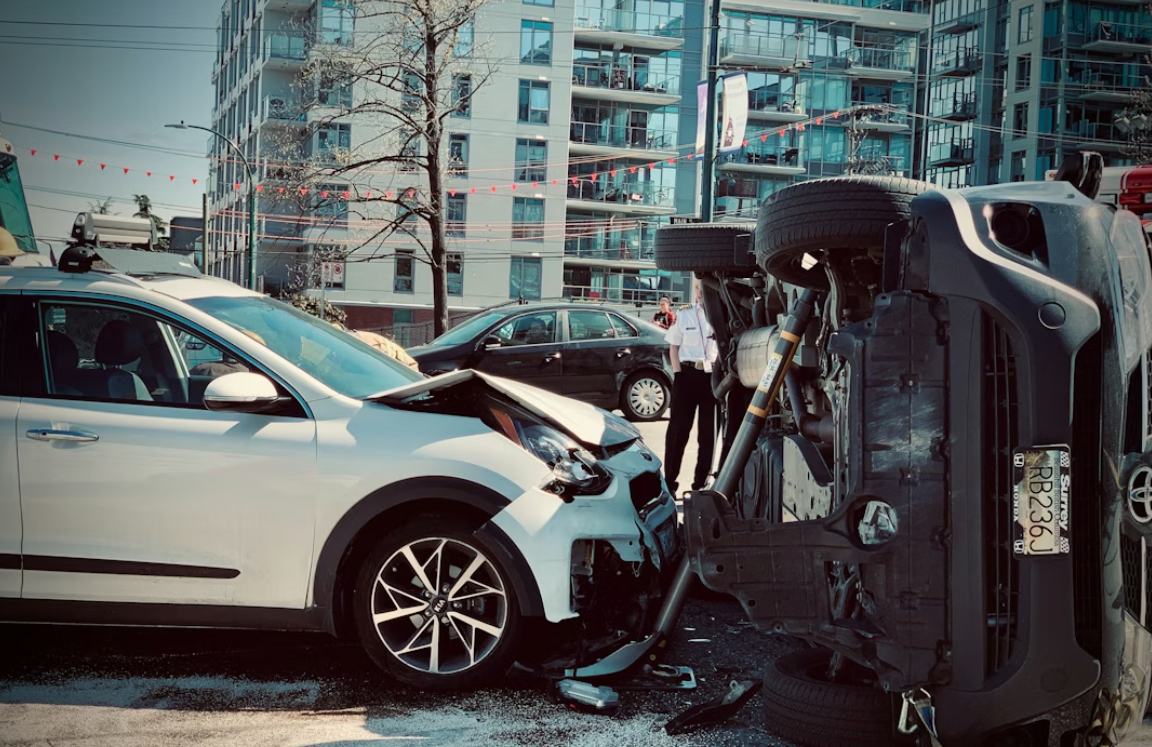
Fatigue-related crashes often involve significant force because the driver may brake too late or not at all. A fully alert driver might swerve, slow down, or take some evasive action before impact. A drowsy driver, by contrast, may hit another vehicle, a pedestrian, or a roadside object with little attempt to avoid the collision. That lack of timely reaction can make the injuries especially severe.
Victims in these cases may suffer head trauma, spinal injuries, broken bones, internal injuries, or long-term physical limitations. The emotional impact can also be serious, especially when the crash feels so preventable. Families are often left wondering how such a devastating event could happen because someone was simply too tired to react. That question is part of why these cases deserve more attention than they often receive.
Fatigue Is Often Dismissed Even Though It Can Change Lives
Drowsy driving is often overlooked because society treats tiredness as normal. People joke about getting little sleep or being worn out after a long day. However, being tired while driving is not just uncomfortable; it is a serious safety risk for everyone on the road.
When a bad crash occurs, we shouldn’t ignore fatigue just because it seems less dramatic than other types of dangerous driving. Tiredness can slow reactions, reduce awareness, and impair judgment, leading to serious consequences. In many serious car accidents, drowsy driving is not a small factor. It is often the main cause that should have been recognized before anyone got hurt.