You get used to a certain pace, a certain way of thinking, and then one day that structure is gone, and nothing around you quite matches it anymore. Most people do not talk about that part directly. They mention the transition, but not how uneven it can feel once it actually starts.
For many who return to civilian life, the shift is not just about finding a job or settling into a routine. It is also about adjusting mentally, often without a clear roadmap. In places like Kentucky, where a large number of individuals have served, that need for steady, personalized care becomes more visible over time. Many come back with experiences that do not fit easily into everyday conversations, and the demand for support that actually understands that background continues to grow.
The Gap Between Structure and Uncertainty
Military life is built on structure. There is a clear chain of command, a defined schedule, and a sense of purpose that does not leave much room for ambiguity. That structure shapes how people think and respond. When that is removed, the gap can feel wider than expected. Civilian life often runs on a different rhythm, less predictable, less defined. It can create a sense of disconnection that is hard to explain. It is not always about trauma. Sometimes it is about losing a system that made sense, even with its challenges. Without it, decisions feel less clear, and the absence of that structure becomes noticeable in daily life.
Finding the Right Kind of Support Matters
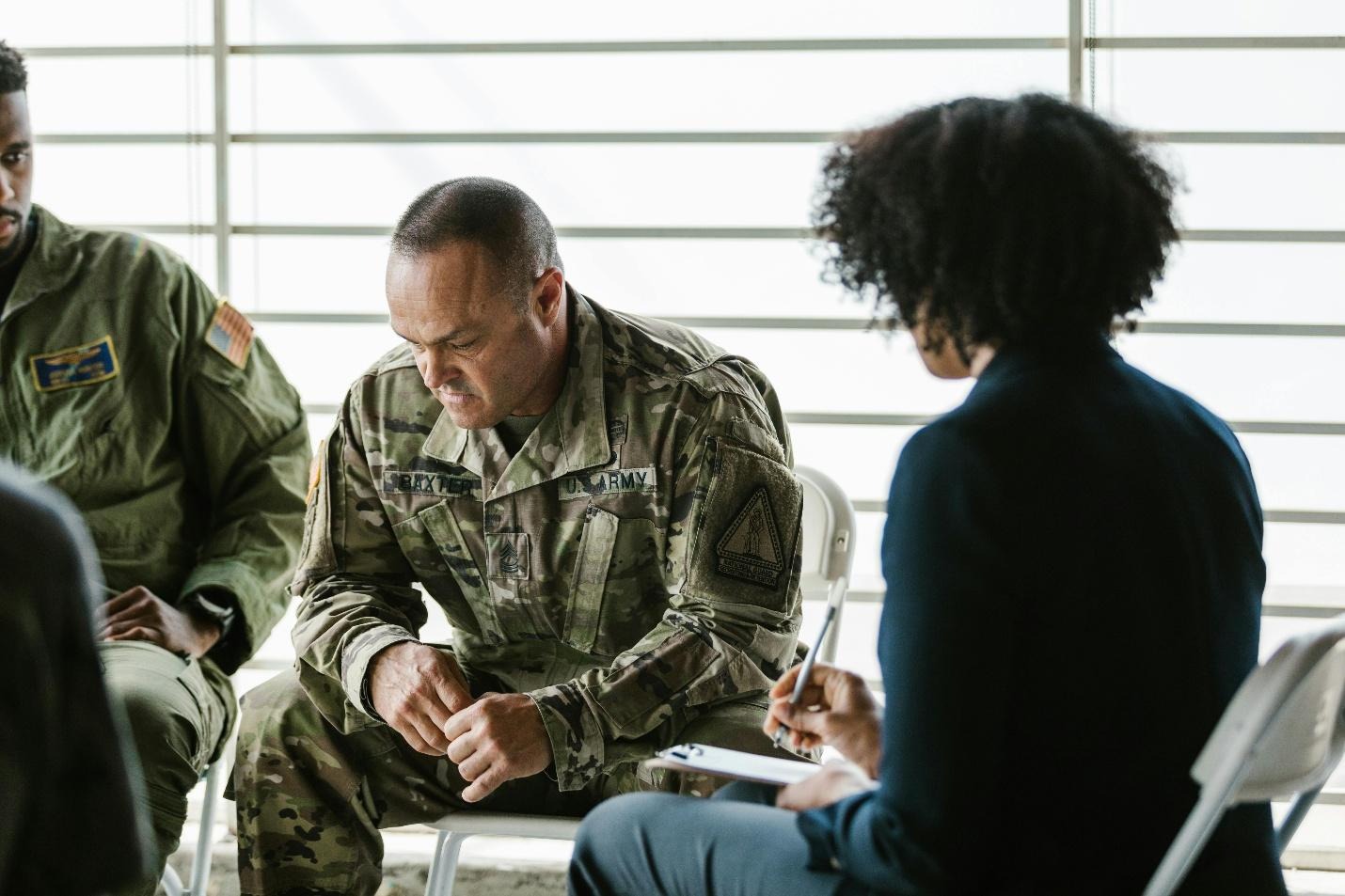
Not all mental health care works the same way for everyone, and this becomes more obvious when working with those who have served. Experiences during service shape how people process stress, communicate, and respond to different situations. That is why individuals who have served in the military must see a veteran therapist in Kentucky who offers personalized care. General support can help, but it does not always address the specific layers that come from military experience. There is often a need for someone who understands that context without needing long explanations.
In many cases, people start looking for more tailored options, where the approach is adjusted to fit that background. When the support aligns more closely with lived experience, the outcome of treatment is better and longer lasting.
The Weight of Unspoken Experiences
One of the more difficult parts of returning to civilian life is what does not get said. Experiences during service are not always easy to put into words, and even when they are, they do not always translate well outside that context.
This can lead to a kind of quiet isolation. Not complete withdrawal, but a sense that certain parts of life are harder to share. Conversations stay surface-level, not because people do not want to go deeper, but because it feels complicated. Over time, that gap between experience and expression can affect relationships, work, and overall well-being. It is not always visible, but it is there.
Adjusting To a Different Pace of Life
The pace of civilian life can feel slower in some ways, but also less focused. Tasks that once had clear urgency now feel open-ended. Priorities shift, sometimes without clear reasoning. This change in pace affects how people approach daily life. Some find it difficult to stay engaged. Others feel restless, even when things are going well on the surface. It is not about preferring one pace over another. It is about the adjustment between the two, which does not happen automatically.
Identity Beyond Service
For many, military service becomes a core part of identity. It shapes values, routines, and how the world is viewed. When that chapter ends, there can be a question of what comes next, not just in terms of career, but in terms of identity.
This is not always a crisis. Sometimes it is subtle. A sense of being in between roles, not fully aligned with the past, but not fully settled into the present either. Working through that shift takes time. It also requires space to explore what identity looks like outside of service, which is not always straightforward.
The Role of Routine in Rebuilding Stability
One of the ways people begin to adjust is by creating new routines. Not identical to what came before, but structured enough to provide some stability. Routine helps reduce uncertainty. It creates a rhythm that can be relied on, even when other parts of life feel less predictable. This might include work schedules, regular activities, or even small daily habits. It does not solve everything, but it provides a foundation. From there, other adjustments tend to become easier.
Relationships and Communication Challenges
Relationships can shift during and after service. Time apart, different experiences, and changes in perspective all play a role. Communication can become more complicated. What feels normal to one person may not make sense to another. There can be misunderstandings, not because of conflict, but because of different ways of processing situations. Addressing this takes patience, both from those who have served and from those around them. It is not a quick adjustment.
Moving Forward Without a Fixed Timeline
There is often an expectation that adjustment should happen within a certain timeframe. That after a few months or a year, things should feel settled. In reality, the process is not that predictable. Some adjustments happen quickly. Others take longer, sometimes without a clear endpoint. Allowing that flexibility can make the process less frustrating. It removes the pressure to reach a specific point by a certain time.
Progress in this area is not always visible. It does not always come with clear milestones. Often, it shows up in small changes, feeling more comfortable in certain situations, finding ways to manage stress, and building new routines. These changes can be easy to overlook because they do not stand out. But over time, they add up. Understanding that progress can be gradual helps set more realistic expectations. It also makes it easier to recognize when things are moving in the right direction, even if it does not feel dramatic.