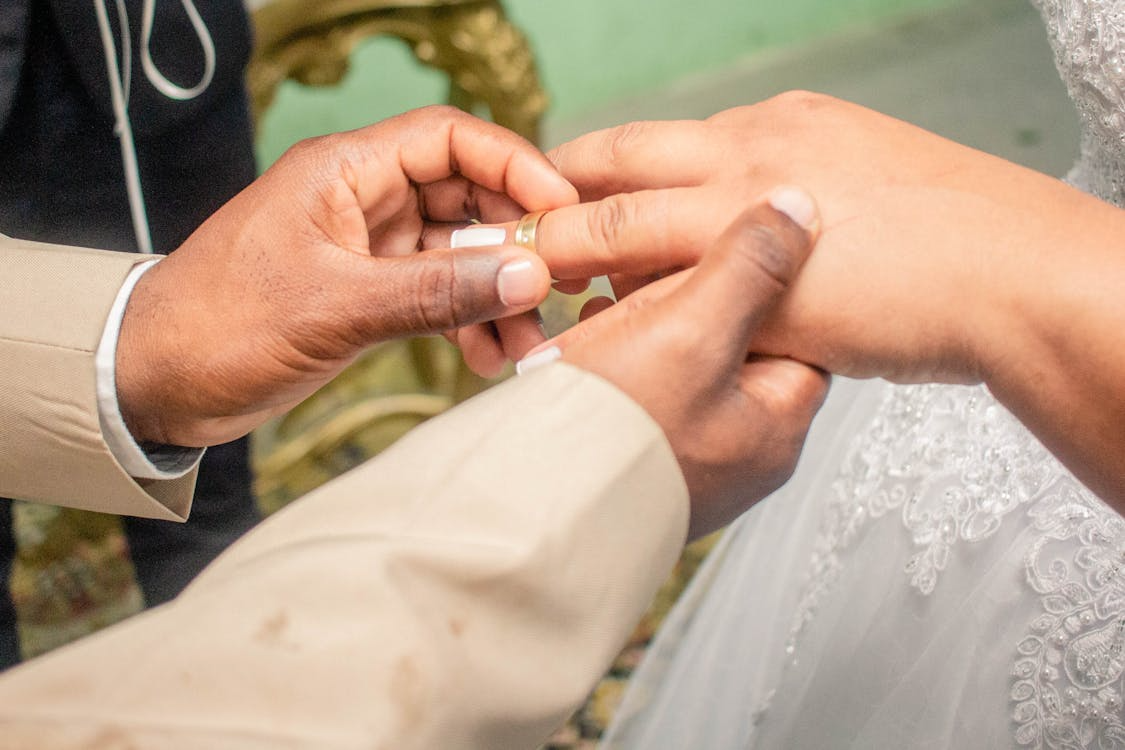
Despite the potential consequences, many couples still skip prenups. In fact, only about 15% of married couples in the U.S. have a prenuptial agreement, according to survey data. This means the majority rely entirely on default legal rules, often without fully understanding them.
Many couples assume that skipping a prenuptial agreement keeps things simple. In reality, it does the opposite. When you don’t sign a prenup, you’re not avoiding rules; you’re automatically agreeing to the rules set by your state.
Those laws decide how your money, property, and even debt are handled if the marriage ends. Understanding what actually happens without a prenup can help you make a more informed decision before getting married.
Without a prenup, your marriage becomes a legal contract governed entirely by state law, meaning the courts will decide how to divide your assets, debts, and financial responsibilities if you divorce or if one spouse passes away.
In most cases, anything acquired during the marriage is considered “marital property,” regardless of whose name is on it. That includes income, savings, real estate, and even some business growth. You can reach out to Prenuptial Agreement Experts Planning for Your Future in Beverly Hills if you're from the area to help you understand these risks before entering marriage.
A common misconception is that what you earn or buy individually remains yours. Without a prenup, that’s often not true. Courts divide property using one of two systems:
This introduces uncertainty. Two couples with similar finances could receive completely different outcomes depending on factors like income, contributions, and even future earning potential. For example, if one spouse paused their career to support the household, the court may award them a larger share of assets.
Debt is often overlooked in these discussions, but it matters just as much as assets. Without a prenup, the court can treat the debts accumulated during the marriage as a shared responsibility. The court can choose to divide it between spouses, even if only one person incurred them. Examples of debt include:
Spousal support (alimony) is another area where you lose control without a prenup. Courts determine:
Judges consider factors like the length of the marriage, standard of living, and each spouse’s earning capacity. In longer marriages, support can last for years or even indefinitely. A prenup allows couples to set expectations in advance, but without one, those decisions are left entirely to the court.
Certain assets become especially difficult to handle without a prenup. Take the family home, for example. Courts may:
Similarly, businesses can become partially divisible if they grew during the marriage, even if one spouse started them alone. These situations often lead to lengthy disputes and expensive legal processes.
Not signing a prenup doesn’t mean avoiding legal complexity. It means accepting a universal system created by your state. That system may not reflect your financial situation, your goals, or what you would consider fair. For some couples, that may be perfectly fine, but for others, it can lead to outcomes they never expected. Whether you choose a prenup or not, understanding what happens without one ensures you’re making a decision based on facts, not assumptions.