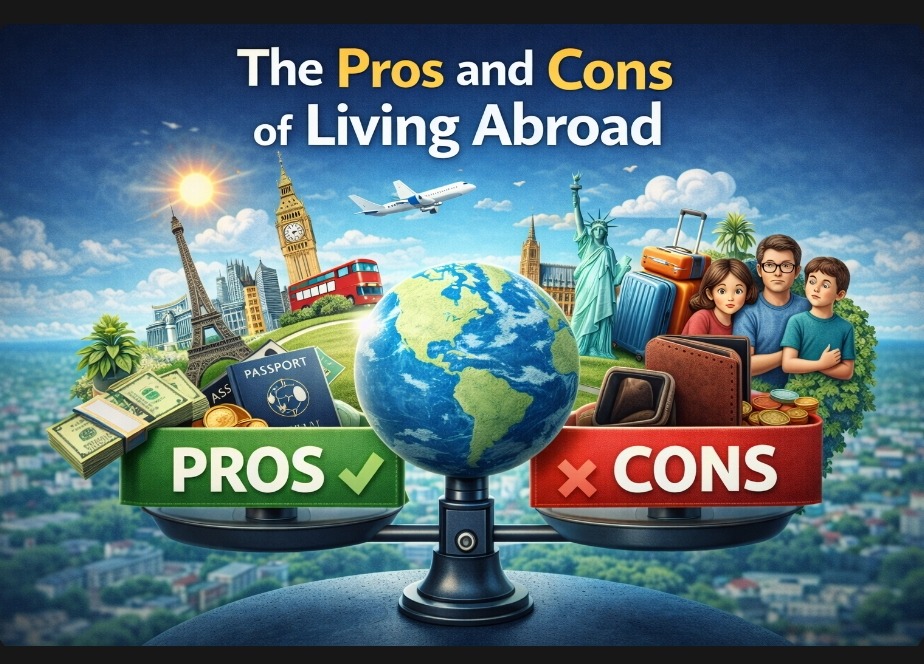
Starting a new life in another country is an exciting and transformative experience. Many people choose to relocate abroad for career opportunities, lifestyle changes, or personal growth. However, living overseas is not always as simple as it seems.
Beyond adapting to new cultures, expatriates must also navigate financial responsibilities, often requiring the expertise of an expat tax accountant to stay compliant across borders. Understanding both the opportunities and challenges ahead can help ensure a smoother and more successful transition.
1. Personal Growth and Independence
Living abroad pushes you beyond your comfort zone. You learn how to adapt quickly, solve problems on your own, and become more independent. Whether it’s navigating a new city or managing daily tasks in a different language, these experiences build confidence and resilience that stay with you long-term.
2. Cultural Exposure and Broader Perspective
Immersing yourself in a new culture is one of the most enriching aspects of living abroad. You gain firsthand experience with different traditions, cuisines, and social norms. This exposure helps you develop a more open-minded perspective and a deeper understanding of the world.
3. Career Opportunities
Many people move abroad to advance their careers. Some countries offer higher salaries, better benefits, or access to industries that may not be as developed in your home country. International experience can also strengthen your resume and open doors to global opportunities in the future.
4. Potential Tax Benefits and Financial Opportunities
Depending on your situation and where you relocate, living abroad may offer certain financial advantages. Some expatriates benefit from tax exclusions or credits, such as the Foreign Earned Income Exclusion (FEIE) for U.S. citizens. However, these benefits often come with strict requirements and reporting obligations, making professional guidance essential to maximize savings and stay compliant.
5. Improved Quality of Life
Many expatriates report a better quality of life abroad. This could mean a lower cost of living, access to affordable healthcare, or a more relaxed lifestyle. For some, it’s the opportunity to live in a climate or environment that better suits their preferences and well-being.
1. Homesickness and Emotional Challenges
Being away from family and friends can be emotionally difficult. Important events, holidays, and everyday moments can feel different when you’re far from home. While technology helps bridge the gap, it doesn’t fully replace in-person connections.
2. Cultural and Language Barriers
Adapting to a new culture can take time. Differences in communication styles, workplace expectations, and social customs can lead to misunderstandings. Language barriers can also make routine tasks more challenging, especially in the beginning.
3. Complex Tax Obligations
One of the most overlooked challenges of living abroad is dealing with taxes. Many expatriates are required to file tax returns in their home country while also complying with local tax laws. This can involve reporting foreign income, bank accounts, and assets. Without proper guidance, it’s easy to make mistakes that could lead to penalties or missed opportunities for tax savings.
4. Financial Uncertainty
Living abroad can come with unexpected financial challenges. Currency exchange rates, different banking systems, and unfamiliar financial regulations can affect your income and expenses. Without careful planning, these factors can create instability.
5. Loneliness and Social Adjustment
Building a new social network takes time. In the early stages, it’s common to feel isolated, especially if you don’t yet have a strong support system. Adjusting socially in a new environment can be one of the biggest hurdles for expatriates.
Living abroad is a deeply personal journey, and the experience can vary widely from person to person. The key to success is preparation. Research your destination thoroughly, including its cost of living, job market, healthcare system, and tax requirements.
Understanding your financial and tax responsibilities is especially important. Working with a knowledgeable professional can help you navigate complex regulations, avoid costly errors, and ensure you remain compliant in both your home and host countries.
Equally important is building a support system. Stay connected with loved ones while actively engaging with your new community. Joining local groups or expatriate networks can help you feel more at home.
Living abroad offers incredible opportunities for growth, adventure, and new experiences. It allows you to expand your horizons and see the world from a different perspective. However, it also comes with challenges—particularly when it comes to adjusting culturally and managing financial and tax responsibilities.
By understanding both the pros and cons and preparing accordingly, you can make the most of your time abroad. With the right mindset and the right support, including expert guidance when needed, living overseas can be one of the most rewarding experiences of your life.