Not every car accident is caused by a distracted or impaired driver. A significant number of serious collisions across California occur because the roads themselves are poorly designed, inadequately maintained, or lacking required safety features. When a road's physical characteristics create foreseeable dangers that result in injury, responsibility may rest with the governmental entities responsible for designing and maintaining the roadway.
Understanding how dangerous road design contributes to accidents — and who bears legal responsibility — is essential for victims whose crash was influenced by conditions beyond their control. An experienced Santa Maria car accident injury lawyer can investigate whether road design defects played a role and pursue the responsible governmental entities alongside other liable parties.
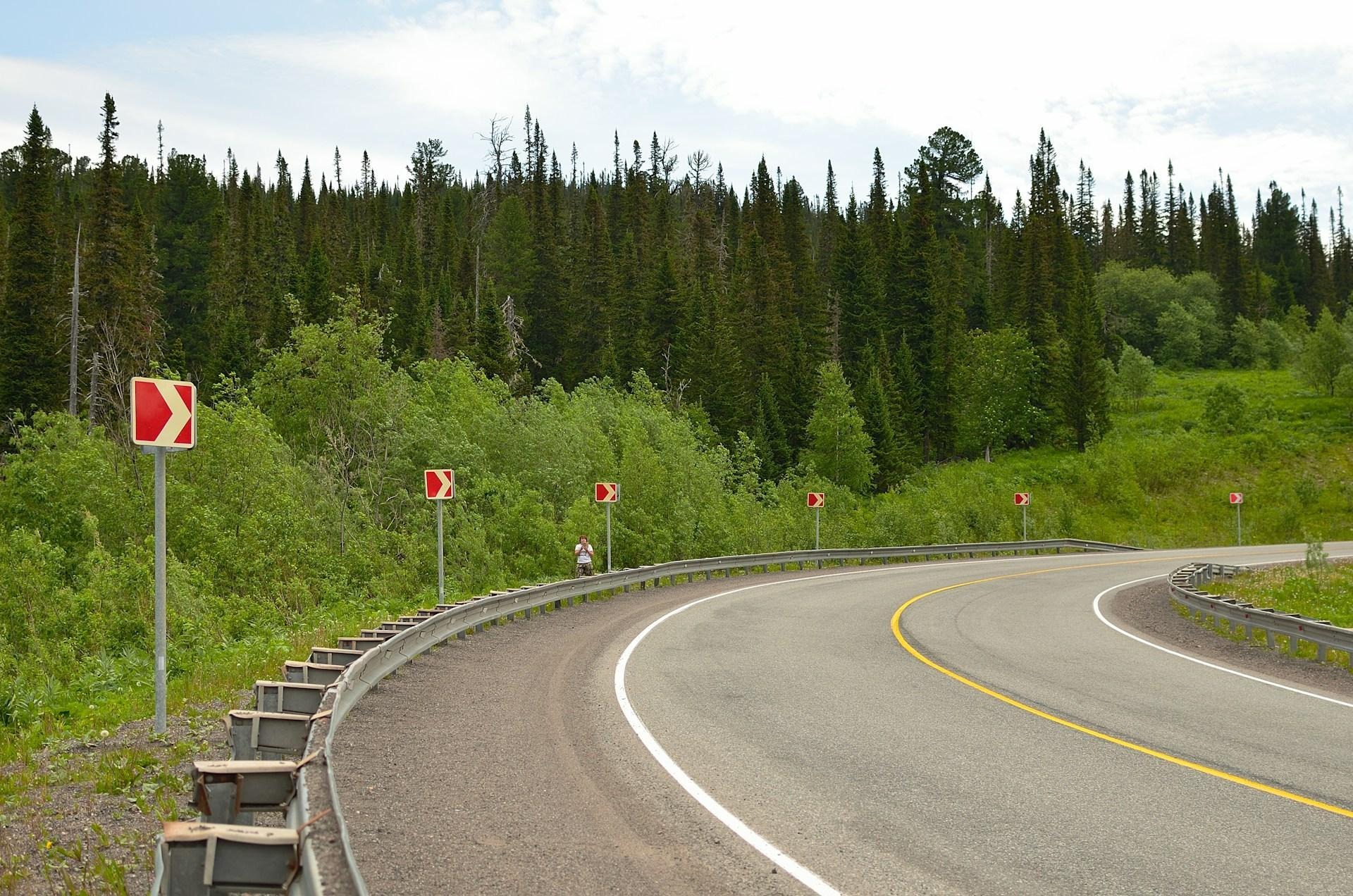
Blind curves are among the most dangerous road defects because they deprive drivers of the sight distance needed to perceive and respond to hazards ahead. When a curve restricts sight lines beyond what is safe for the posted speed, the road itself becomes a hazard regardless of how carefully a driver operates their vehicle. The combination of a blind curve with inadequate warning signage compounds the danger significantly.
Traffic engineering standards establish minimum sight distance requirements based on design speed, and deviations can constitute defects giving rise to governmental liability. Evidence typically includes engineering surveys, accident history data, expert testimony, and records of prior complaints. A concentration of collisions at a specific curve is powerful evidence that the design is a contributing factor.
Effective traffic signs communicate speed limits, warn of hazards, assign right of way, and provide navigational guidance. When signs are missing, faded beyond legibility, obscured by vegetation, or misleading, drivers are deprived of information they are entitled to rely upon. A missing warning sign before a sharp curve, an absent stop sign, or a knocked-down speed limit sign can each contribute directly to a serious collision.
Governmental entities have a duty to ensure traffic control devices are present, legible, and compliant with applicable standards, including the Manual on Uniform Traffic Control Devices. When a missing or defective sign contributed to a collision, the responsible agency may face significant liability. Documenting signage conditions immediately after a collision through photographs is critical, as signs are often repaired quickly once the deficiency receives attention.
Insufficient lighting where nighttime driving is common creates foreseeable hazards. Poorly lit intersections, unlit stretches near pedestrian crossings, and highway ramps without adequate lighting all contribute to preventable accidents. The risk is compounded in areas with high pedestrian or cyclist traffic, where drivers need sufficient illumination to detect vulnerable road users in time.
California governmental entities must maintain lighting systems and provide adequate illumination where the traffic environment makes it a safety necessity. When burned-out lights, broken fixtures, or absent lighting contribute to a collision, the responsible agency may be liable. These claims require evidence that the deficiency existed before the accident, the agency had notice, and the deficiency was a proximate cause of the collision.
Intersections are statistically among the most hazardous locations on any road network. Common dangerous features include overly wide turning radii encouraging excessive speeds, poorly timed signals, absent left-turn signals at high-volume locations, inadequate channelization creating driver confusion, and angle configurations limiting sight distance.
When an intersection's design has produced a documented pattern of collisions, that history is powerful evidence of deficient design and agency awareness. California law requires governmental entities to address known dangerous conditions within a reasonable time, and failure after receiving notice can establish liability. Expert testimony from traffic engineers evaluating the intersection against design standards is typically essential to these claims.
Guardrails and median barriers prevent vehicles from descending into ravines, crossing into oncoming traffic, or colliding with fixed objects. When guardrails are absent where standards require them, installed at incorrect heights, made from superseded materials, or allowed to deteriorate, they can fail to provide protection — or themselves become hazards that worsen collision outcomes.
Guardrail placement and selection is governed by engineering standards accounting for roadway speed, proximity to hazards, traffic volume, and accident history. When the absence or failure of a guardrail results in catastrophic injury that a properly installed barrier would have prevented, the responsible entity may bear significant liability. These cases require detailed analysis of collision evidence and expert testimony comparing existing conditions to applicable standards.
The road surface itself is a fundamental safety element frequently overlooked in accident claims. Potholes, crumbling pavement edges, uneven bridge joints, rutting that channels water, and absent pavement markings can all cause drivers to lose control and cyclists or motorcyclists to suffer catastrophic injuries. In wet conditions, manageable defects become significantly more dangerous at highway speeds.
California entities are responsible for inspecting and maintaining road surfaces, and failure to address known defects within a reasonable time can create liability. The challenge is often establishing that the agency had notice — through inspection records, public complaints, or the duration the condition existed. Photographs taken immediately after the accident and evidence of how long the defect was present are essential to these claims.
When dangerous road design contributes to a California accident, the legal process differs from standard personal injury claims. Claims against governmental entities are governed by the California Tort Claims Act, which requires filing a formal tort claim within six months of the injury. Missing this deadline can permanently bar the victim from pursuing compensation, regardless of the liability case's strength.
The procedural requirements, the complexity of road design analysis, and the resources governmental entities bring to defense all make experienced representation essential. An attorney who understands traffic engineering liability and California government claim procedures can protect the claimant's rights from the earliest stages. When dangerous road design contributes to serious injury, accountability is not just legally available — it is legally necessary.