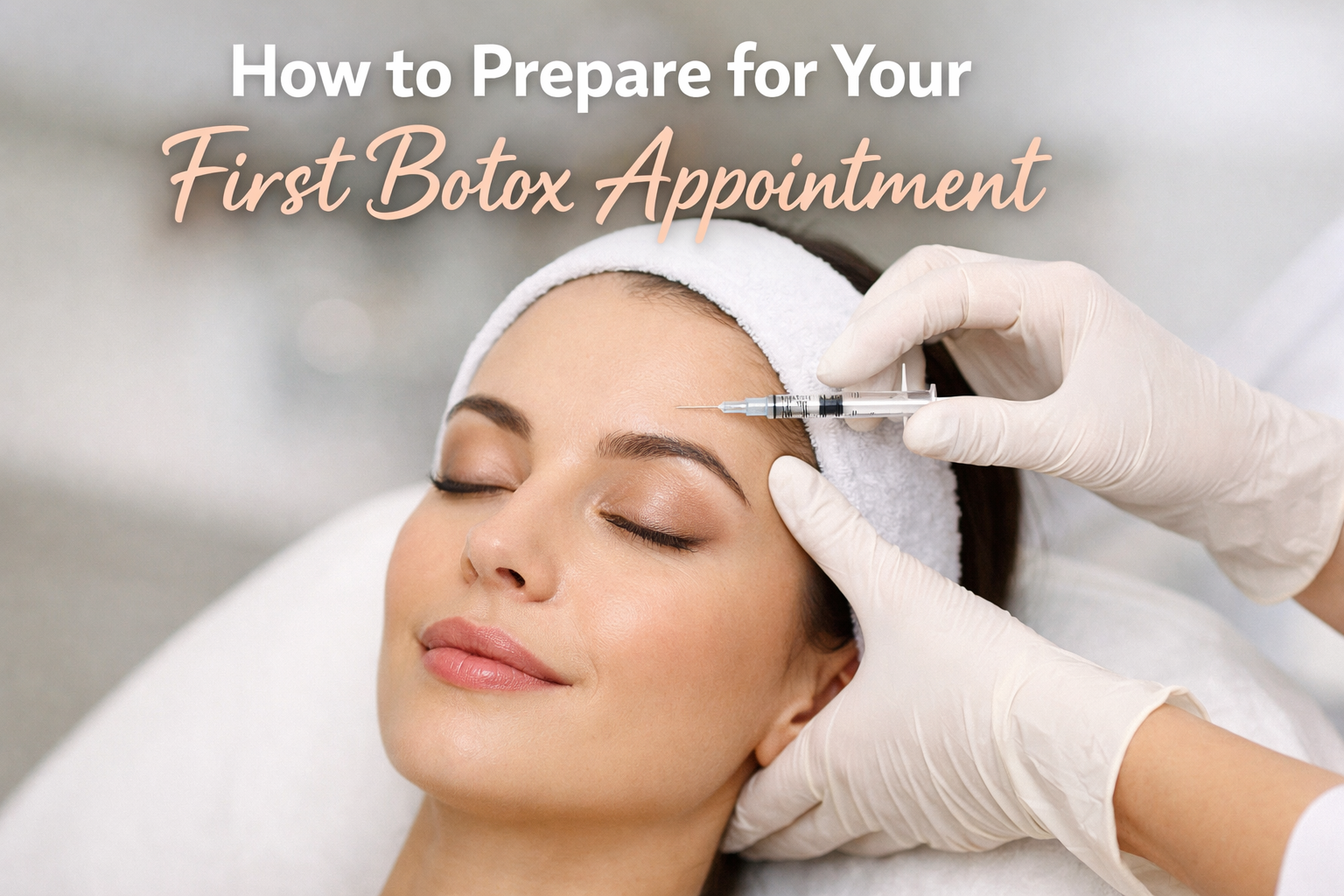
Walking into a clinic for your first botox injection treatment can feel like a mix of excitement and apprehension. You’ve likely seen the smooth, refreshed results on friends or celebrities and thought, "I want that glow." But along with that desire comes a flood of questions. Will it hurt? What if I bruise? Is there anything I should, or shouldn’t, do beforehand?
You are not alone in these concerns. Botox is the most popular non-surgical cosmetic treatment globally, with millions of procedures performed every year. Despite its popularity, the "first time" jitters are a very real part of the patient experience. The good news is that anxiety often stems from the unknown. Once you understand the process, the fear dissipates, leaving only the anticipation of your results.
Before diving into the "do's and don'ts," it is helpful to understand what is happening beneath the skin. Botox (Botulinum toxin) is a neuromodulator. In simple terms, it temporarily relaxes specific facial muscles by blocking the nerve signals that tell those muscles to contract. When the muscle doesn't move, the skin above it stops creasing, which smooths out existing wrinkles and prevents new ones from forming.
While the injection process itself is quick, often called a "lunchtime procedure", it is still a medical treatment. Like any medical procedure, your body’s physiology plays a role in how you heal and how the product settles. Preparation isn't just about following rules; it is about minimizing side effects and bad reactions like bruising and ensuring the product stays exactly where your provider places it. A well-prepared patient typically enjoys a smoother recovery and more satisfying results.
Preparation for Botox isn't difficult, but it does require some mindfulness in the week leading up to your appointment. The primary goal of preparation is to reduce the risk of bruising. Because the face is rich in blood vessels, even a tiny needle can cause a bruise if your blood is thinned.
Thus, we have prepared a quick checklist to take into account at least one week before the appointment.
Many of us take daily vitamins and supplements for general health, not realizing they can affect blood clotting. About seven days before your appointment, take a look at your medicine cabinet.
Certain supplements act as mild blood thinners. While great for heart health, they can increase the likelihood of bruising at the injection site. If possible (and cleared by your doctor), try to pause the following for a week:
You should also avoid harsh anti-aging skin treatments during this week. Steer clear of chemical peels, microneedling, or aggressive laser treatments right before your Botox session. You want your skin to be calm and free of irritation or active infections when you arrive.
As you get closer to the big day, the restrictions become a bit more specific. Two days before your appointment, you need to be mindful of what you ingest.
Medications like aspirin, ibuprofen (Advil, Motrin), and naproxen (Aleve) are notorious for causing bruising. They inhibit platelet function, which is exactly what you don't want when a needle is involved.
If you have a headache or minor aches during this window, opt for Tylenol (acetaminophen) instead, as it does not have the same blood-thinning effect. Note: If you take blood thinners for a prescribed medical condition, never stop taking them without consulting your prescribing physician first.
We know a glass of wine might seem like the perfect way to calm your nerves before your appointment, but it’s best to abstain. Alcohol is a vasodilator, meaning it relaxes and widens your blood vessels.
This increases blood flow near the surface of the skin. If a needle nicks a dilated vessel, you are almost guaranteed a bruise. Aim to avoid alcohol for at least 24 to 48 hours before your treatment.
If your nightly routine includes strong Retin-A, Tretinoin, or high-strength retinol products, consider taking a break two days prior. While this doesn't affect bleeding, these products can make the skin sensitive and more prone to irritation from the alcohol wipes used to clean your face.
The day has arrived! Here is how to handle the final hours before you sit in the chair.
Nervousness can sometimes lead to lightheadedness, especially when needles are involved. Even if you aren't afraid of shots, your body can have a vasovagal response (a sudden drop in heart rate and blood pressure). Having a solid meal beforehand keeps your blood sugar stable and significantly reduces the chance of feeling faint.
Drink plenty of water. Hydrated skin is healthier and more resilient.
Your provider will need to clean your injection sites thoroughly with antiseptic. While you can arrive wearing makeup, it will have to be removed. Arriving with a fresh, clean face saves time and prevents the hassle of scrubbing off foundation and mascara in the waiting room.
If you are a gym enthusiast, get your workout in before your appointment. As we will discuss in the aftercare section, vigorous exercise is off the table for the rest of the day post-treatment.
A professional Botox appointment usually follows a structured path: the consultation, the assessment, and the injection. Let's quickly het to know what to expect during each stage.
Your appointment should always begin with a conversation. Your provider, whether a dermatologist, plastic surgeon, nurse practitioner, or physician assistant, needs to understand your medical history and your aesthetic goals.
Be honest about your medical history. You must disclose if you are pregnant, breastfeeding, or trying to conceive, as Botox is generally not performed during these times. You should also mention if you have any neuromuscular disorders (like ALS or Lambert-Eaton syndrome) or if you have had allergic reactions to botulinum toxin products in the past.
This is the fun part. Tell your provider what bothers you. Is it the "11s" between your brows that make you look angry? The crow's feet that appear when you smile? Or forehead lines that stay put even when you aren't raising your eyebrows?
Your provider will explain what is realistic. They will also discuss the "look" you want. Some clients prefer a "frozen" look where the forehead creates a glass-like reflection and doesn't move. Others prefer "baby Botox" or a natural look, where movement is softened but you retain expressiveness. Establishing this preference early ensures you walk out happy.
Once the plan is set, the provider will examine your facial muscles. They will ask you to make funny faces: "Frown hard," "Raise your eyebrows," "Smile big."
This isn't just for fun. They are mapping your unique muscle anatomy. Everyone’s muscles are different in size, strength, and placement. By watching your muscles contract, they can pinpoint exactly where to place the product for maximum effect and safety.
Now, the actual treatment begins. Here is the reality of the experience:
Right after the injections, you might see small, raised bumps at the injection sites. These look like tiny mosquito bites and are simply the fluid (saline) that the Botox is suspended in. Do not panic, these bumps typically disappear within 15 to 30 minutes as the fluid absorbs into the tissue. You might also have tiny pinprick spots of blood, which the provider will wipe away.
The needle part is over, but your job isn't quite done. The first few hours after your appointment are critical for safety and efficacy. While Botox isn't a surgery requiring bed rest, there are specific rules you must follow to prevent the toxin from migrating to unwanted muscles (which can cause temporary droopy eyelids or uneven brows).
For at least four hours after your appointment, stay upright. Do not lie down flat on a bed, a yoga mat, or a massage table. If you go home and take a nap immediately, the pressure against the pillow could theoretically disperse the product into adjacent muscle groups. Keep your head elevated to ensure the Botox settles exactly where it was placed.
It is tempting to touch your face, especially if it feels slightly tender. Resist the urge. Do not rub, massage, or apply pressure to the treated areas for at least 24 hours.
This means:
Rubbing the area can physically push the medication into surrounding muscles, leading to side effects that, while temporary, are annoying to live with for a few weeks.
You have a valid excuse to skip your workout today. Vigorous exercise increases your heart rate and blood flow. Increased circulation could potentially metabolize the product too quickly or flush it away from the injection site before it has fully bound to the nerve receptors. Furthermore, sweating can irritate the injection points. Take a rest day and resume your normal fitness routine the following morning.
Heat causes inflammation and dilation of blood vessels. For the first 24 hours, steer clear of:
If you develop a headache (a common, mild side effect), you can take Tylenol. Avoid ibuprofen or aspirin for 24 hours post-treatment to minimize bruising risk. If you notice a small bruise forming, you can apply Arnica gel, a natural remedy that helps speed up the healing of bruises.
This is the most important mental preparation tip: Botox is not instant.
When you leave the clinic, you will look exactly the same as when you entered (minus any temporary redness). Do not run to the mirror the next morning expecting wrinkles to have vanished. It typically takes 3 to 5 days to start seeing movement restriction, and a full 14 days to see the final result.
Be patient. If you feel like it "didn't work" or "looks uneven" on day 5, wait. Most providers will not do a touch-up until the full two weeks have passed because the product is still working its magic.
Ultimately, the best preparation is choosing a qualified, experienced provider who makes you feel comfortable. Cosmetic treatments are a partnership between you and your injector. When done correctly, Botox doesn't change who you look like; it simply refreshes your appearance, giving you a rested, more youthful version of yourself.