If you're planning to build a home, one of the first questions you'll probably ask is, how long does building a house take? While there’s no one-size-fits-all answer, most construction projects follow a general timeline that can range from several months to over a year, depending on various factors. The entire process, from planning and permits to final inspection and move-in, can take anywhere from 9 to 18 months or more.
In this guide, we’ll walk you through the typical timeline for building a home, breaking it down into key phases: pre-construction, structural work, interior finishes, and post-construction. We’ll also discuss how long each step takes, common delays, and tips for staying on track.
On average, construction alone typically takes 6 to 12 months. However, when you factor in the pre-construction process, including design and permitting, as well as post-construction activities like landscaping and inspections, the total timeline can extend to 9 to 18 months or more.
The length of time it takes to build a house depends on several variables:
Let's break down the building process into stages to get a clearer idea of how much time each step typically takes.
The first phase involves working with your builder, architect, and other professionals to design your home, secure financing, and apply for permits. This stage is critical for laying the groundwork, and it can take anywhere from 1 to 3 months.
Starting the process with an experienced Custom Home Builder can help streamline the planning and permitting process, reducing potential delays and ensuring your project is ready to break ground as soon as possible.
Once the plans are approved and permits are in place, construction begins with site preparation. This includes clearing the land, grading the site, and preparing it for the foundation. This stage typically takes 1 to 2 months.
Delays can happen if weather conditions or soil conditions are problematic, or if the land needs extensive grading or work.
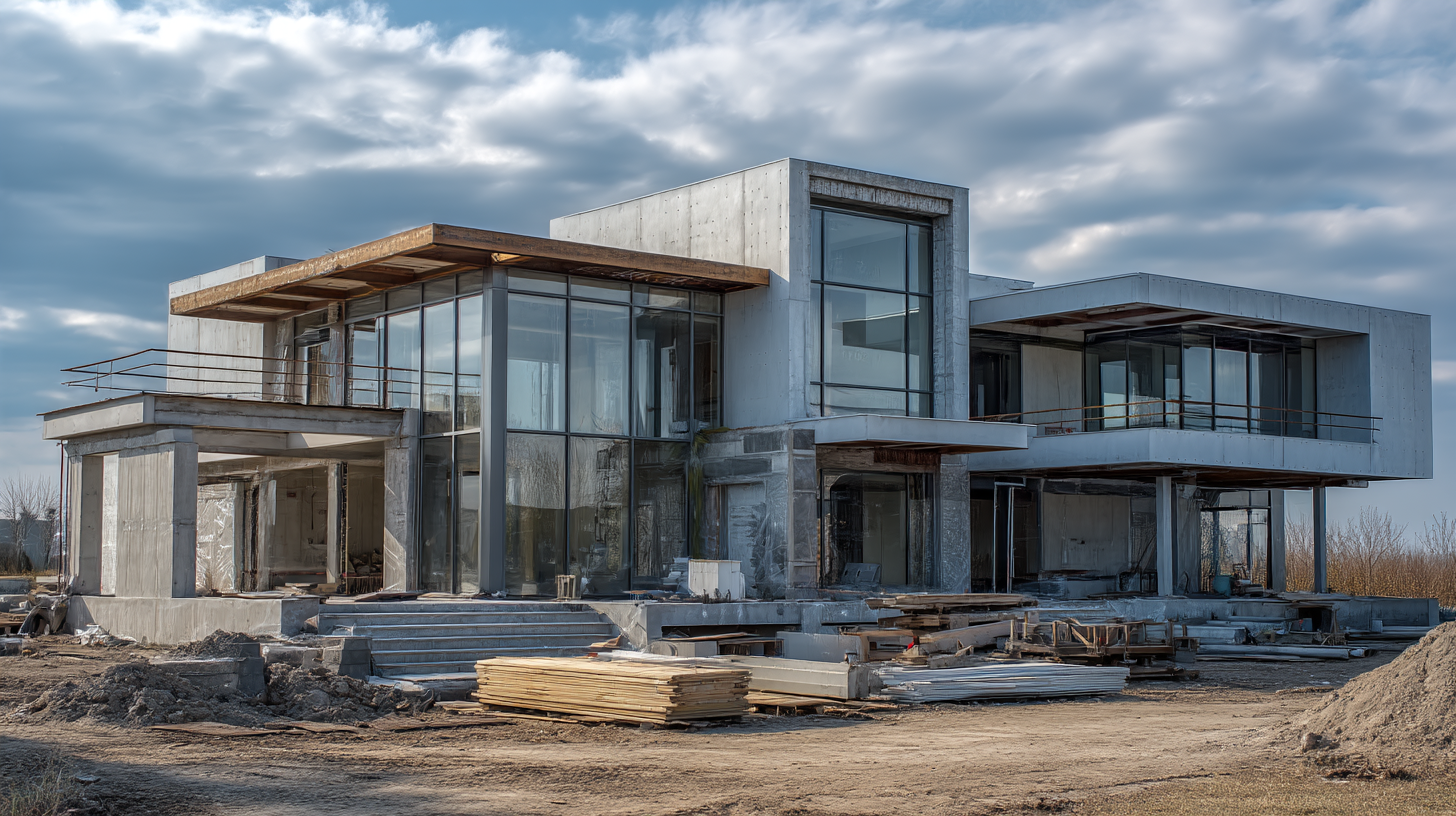
After the foundation is set, framing begins. This is when the skeleton of the home takes shape, including walls, floors, and the roof structure. This stage generally takes 2 to 4 months, depending on the complexity of the design and the size of the home.
At this stage, delays are typically caused by weather, labor shortages, or material availability. If you’re looking for a streamlined building process, working with a Custom Home Builder can help ensure that the project is coordinated properly and stays on track.
Now that the home is framed and the exterior is sealed, the interior work begins. This involves the installation of electrical, plumbing, HVAC, insulation, drywall, and flooring. These tasks take around 1 to 2 months.
This is also the stage where customization comes into play, and homeowners can select finishes and upgrades that may influence the timeline. Custom work or high-end finishes can take longer to install, so it’s important to account for this during planning.
Once the interior surfaces are completed, it's time to install cabinets, countertops, and other fixtures like sinks, faucets, and lighting. This final interior work takes about 1 month to complete.
Custom cabinets or high-end fixtures can add more time to this stage, so be prepared for potential delays if you opt for personalized designs.
Before you can officially move in, your home will need to pass a series of final inspections. These inspections check the home’s compliance with local building codes, safety regulations, and functionality. This phase usually takes 1 month.
Any issues found during inspections must be corrected before the home can be officially cleared for occupancy.
Landscaping, including lawns, driveways, patios, and other outdoor features, is often the last step in the construction process. This typically takes about 1 month, depending on the complexity of the design.
Weather and availability of materials can impact this stage, so it’s a good idea to keep flexibility in mind.
The final step is cleaning, minor fixes, and moving in. Depending on the builder’s efficiency and the level of customization, this stage can take another month to finalize. Small touch-ups, minor repairs, and installation of final details may be required.
While most projects follow a standard timeline, many factors can delay construction:
Choosing an experienced Custom Home Builder can help mitigate delays and keep the project on track. An experienced builder can anticipate potential issues, coordinate subcontractors efficiently, and maintain clear communication with the homeowner, reducing unexpected disruptions.
While delays are inevitable in many projects, there are several ways to keep your home build on schedule:
Start the design and permitting process early, and keep everyone involved in the project on the same page. Establish key milestones and deadlines.
A custom home builder who is experienced and reliable can manage schedules, budgets, and communication. Having a trusted partner helps ensure the project stays on track and within budget.
Even with the best planning, things can change. Be prepared to adapt and keep in close contact with your builder throughout the project.
Building a house typically takes 6 to 12 months for the construction phase, but the entire process, from design to move-in, can span 9 to 18 months or longer, depending on various factors. The timeline will depend on your location, the complexity of your design, permits, and the efficiency of your builder.
By understanding the phases involved and anticipating potential delays, you can better plan for a smooth building experience. Working with a skilled custom home builder from the outset ensures that timelines are managed efficiently, and the process stays on track.