
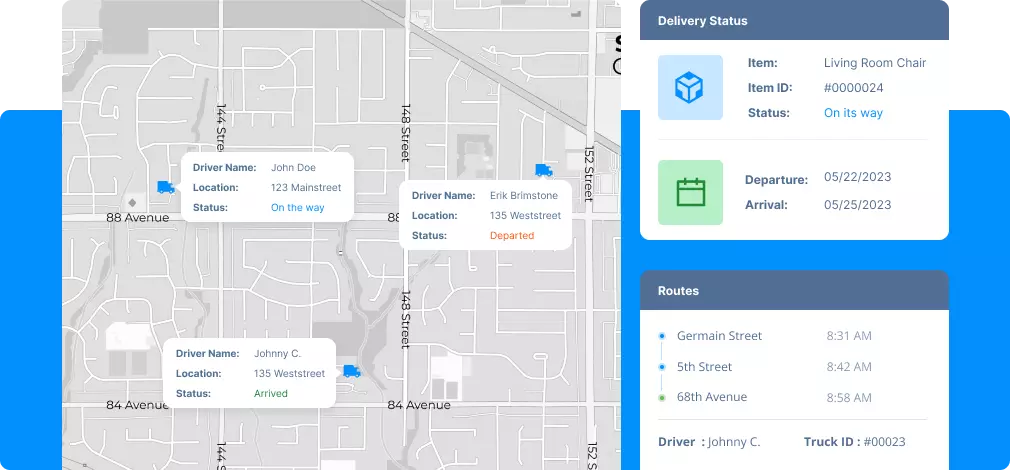
In today’s fast-paced logistics environment, efficiency is everything. Customers expect faster deliveries, real-time updates, and flawless service. To meet these expectations, businesses are increasingly turning to last-mile delivery software. This technology is transforming the way companies handle the final leg of the delivery journey, ensuring goods reach their destination quickly, efficiently, and accurately.
Understanding the importance of last mile delivery and implementing the right software can significantly reduce operational costs, improve customer satisfaction, and streamline overall supply chain operations.
Last mile delivery software is a digital solution designed to manage, optimize, and track the final stage of the delivery process, from the warehouse or distribution center to the customer’s doorstep. This stage is often the most complex and expensive part of the delivery chain, accounting for up to 53% of total shipping costs for some businesses.
By leveraging advanced algorithms, GPS tracking, and real-time data analytics, last-mile delivery software provides businesses with the tools to:
With this software, companies can not only enhance operational efficiency but also gain a competitive edge in the rapidly evolving logistics sector.
Modern last-mile delivery software comes packed with features designed to simplify logistics and improve customer experience. Some of the most essential features include:
Route planning is critical for efficient last-mile delivery. Advanced software uses AI-powered algorithms to calculate the fastest and most cost-effective routes. It considers traffic, weather, delivery time windows, and vehicle capacity to ensure timely deliveries.
Customers today expect transparency. Last mile delivery software provides live tracking, allowing both the business and the customer to monitor the delivery in real time. This feature reduces missed deliveries, improves accountability, and enhances trust.
Manual dispatching can be time-consuming and prone to errors. Automated dispatching ensures that deliveries are assigned to the most suitable drivers based on location, workload, and availability, streamlining operations.
Proof of delivery is essential for record-keeping and dispute resolution. The software allows drivers to capture signatures, photographs, or barcode scans upon delivery completion, creating verifiable records.
Data-driven insights are a significant advantage of last-mile delivery software. Detailed analytics on delivery times, driver performance, fuel usage, and customer feedback help businesses identify inefficiencies and improve future operations.
Investing in last-mile delivery software provides tangible benefits for businesses of all sizes. Here’s how:
With optimized routes and automated dispatching, deliveries are faster and more predictable, reducing delays and increasing operational efficiency.
By minimizing fuel consumption, vehicle wear-and-tear, and labor inefficiencies, businesses can significantly lower their delivery costs.
Real-time tracking and timely deliveries improve customer experience. Satisfied customers are more likely to become repeat buyers, increasing brand loyalty.
As your business grows, last-mile delivery software can scale with your operations, managing larger fleets, multiple routes, and higher delivery volumes without compromising efficiency.
Despite technological advancements, last-mile delivery still faces several challenges:
Last-mile delivery software addresses these challenges by automating route planning, providing accurate delivery information, and improving operational oversight.
Adopting last-mile delivery software can transform a company’s logistics operations in several ways:
By integrating these capabilities, businesses can achieve faster, cheaper, and more reliable last-mile deliveries.
Selecting the best last mile delivery software depends on your business needs. Consider the following:
From e-commerce giants to local retailers, businesses across industries rely on last-mile delivery software to stay competitive:
By tailoring delivery operations to specific industry needs, last-mile delivery software maximizes efficiency and customer satisfaction.
In a world where delivery speed and reliability define customer satisfaction, last mile delivery software has become indispensable. It not only reduces operational costs but also enhances efficiency, scalability, and transparency. Businesses that implement this technology gain a competitive advantage by providing faster, more accurate, and more reliable deliveries.
Investing in the right last mile delivery software, like Cigo Tracker, is no longer optional, it’s a strategic necessity for companies aiming to thrive in today’s demanding logistics landscape.







