
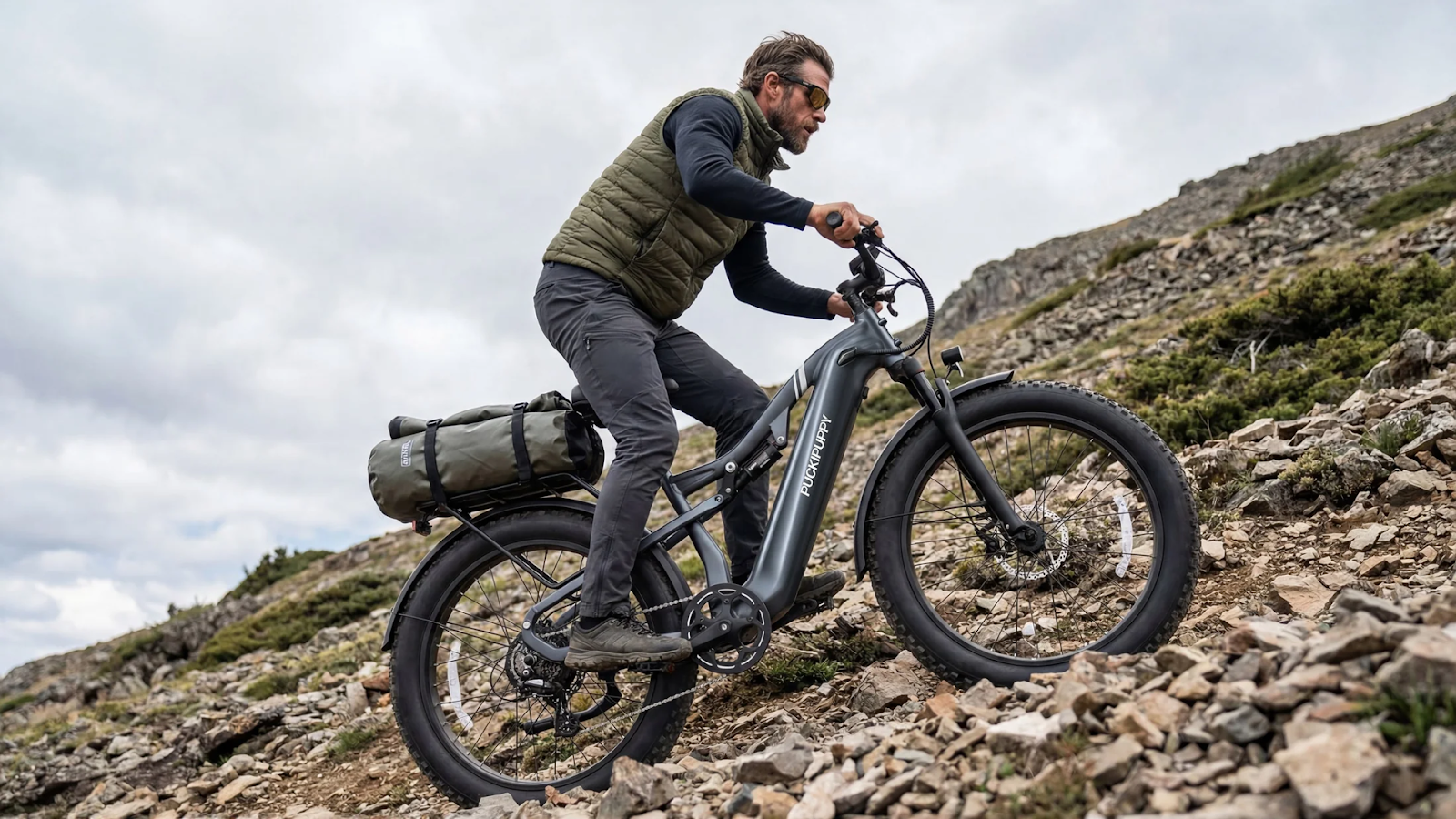
Fat tire e-bikes have become one of the most recognizable styles in the electric bike market. With oversized tires, rugged frames, and a reputation for handling challenging terrain, they appeal to riders looking for versatility and stability. However, choosing a fat tire e-bike involves more than simply liking the look of wide tires.
While fat tire e-bikes can offer excellent traction and comfort, they are not necessarily the ideal choice for every rider or every riding environment. Understanding how these bikes perform and what trade-offs they involve can help riders make a more informed decision.
Before choosing a fat tire e-bike, it’s helpful to consider several key factors related to riding conditions, performance preferences, and everyday practicality.
One of the most important considerations when choosing a fat tire e-bike is the type of terrain you expect to ride on most often.
Fat tires are typically around four inches wide or more, which allows them to distribute weight over a larger surface area. This design makes them particularly effective on loose or unstable terrain such as sand, snow, gravel, or dirt trails.
If your riding frequently includes these kinds of surfaces, a fat tire e-bike can provide better traction and stability than standard e-bikes with narrower tires.
However, if most of your riding takes place on smooth pavement or well-maintained bike lanes, the advantages of fat tires may be less noticeable. In those cases, a lighter commuter-style e-bike with narrower tires might feel more efficient.
Choosing the right bike often begins with honestly evaluating where you plan to ride most often.
Another reason many riders consider fat tire e-bikes is the sense of stability they provide.
The wide tires create a larger contact patch with the ground, which can make the bike feel more planted and balanced. For riders who are new to cycling or returning after a long break, this added stability can increase confidence.
Loose gravel, uneven roads, or rough paths often feel easier to navigate on fat tires compared with narrower tires.
However, this stability sometimes comes with slightly slower steering response. Fat tire bikes tend to prioritize stability over quick, agile handling.
For riders who prefer a relaxed and steady riding experience, this trade-off can be perfectly acceptable. Riders seeking fast, responsive handling may prefer other types of e-bikes.
Fat tire e-bikes are generally heavier than many other e-bike styles. The wide tires, larger rims, and reinforced frames required to support them add additional weight.
While the electric motor helps offset this weight during riding, it can still affect how the bike feels when maneuvering it off the road.
For example, riders living in apartments may need to carry their bike upstairs or move it through narrow hallways. Heavier bikes can be more challenging in these situations.
Similarly, lifting the bike onto a vehicle rack or moving it around storage areas may require more effort.
Considering how often you will need to move or lift the bike can help determine whether a fat tire design is practical for your lifestyle.
Another factor to think about is how fat tires affect overall efficiency.
Wider tires generally create more rolling resistance compared with narrower tires, especially on smooth pavement. This means the motor may need to work slightly harder to maintain speed.
As a result, fat tire e-bikes can sometimes consume more battery power during long rides on paved roads.
However, modern e-bike motors are designed to compensate for this effect. For many riders, the difference in battery range is relatively small and outweighed by the benefits of traction and comfort.
Still, riders who regularly travel long distances on pavement may want to consider how tire width influences efficiency.
Fat tire e-bikes are often praised for their ability to improve comfort on rough roads.
Because fat tires contain a larger volume of air, they can run at lower tire pressure. Lower pressure allows the tires to compress slightly when encountering bumps, which helps absorb vibrations from uneven surfaces.
This cushioning effect can make riding on cracked pavement, gravel paths, or dirt trails feel smoother.
For riders who frequently encounter imperfect roads or mixed terrain, this comfort advantage can be one of the most appealing aspects of fat tire e-bikes.
However, riders who primarily ride on smooth roads may not experience the same level of benefit.
While tire size is the most visible feature of a fat tire e-bike, riders should also consider the bike’s overall design.
Many modern e-bikes include practical features that support everyday riding, such as integrated lights, cargo racks, and comfortable frame geometry. These features can make a significant difference in how useful the bike is for commuting or running errands.
Some manufacturers design fat tire e-bikes specifically for versatile everyday riding. Brands such as Puckipuppy, for example, offer models that combine wide tires with practical features intended for both recreational and daily use.
Evaluating these additional features helps ensure the bike fits into your routine rather than serving only as a recreational tool.
Fat tires also require slightly different maintenance compared with standard bike tires.
Because they operate at lower air pressure, maintaining proper tire pressure is important for both performance and durability. Riders may need to check pressure more regularly, especially when riding across different terrain types.
Additionally, fat tires are larger and may be more expensive to replace than standard tires.
While these differences are not major obstacles, they are worth considering as part of the overall ownership experience.
Ultimately, choosing a fat tire e-bike involves balancing versatility with efficiency.
Fat tires provide excellent traction, stability, and comfort across a wide range of surfaces. For riders who enjoy exploring mixed terrain or who frequently encounter rough roads, these benefits can make a significant difference.
At the same time, riders who primarily travel on smooth urban roads may find narrower tires more efficient for daily commuting.
Understanding your riding habits and priorities can help determine whether the advantages of fat tires align with your needs.
Fat tire e-bikes offer a unique combination of stability, traction, and adaptability that has helped them become one of the most popular styles in the e-bike market. However, choosing one requires considering how the bike will actually be used.
Factors such as terrain, rider confidence, bike weight, battery efficiency, and everyday practicality all play important roles in determining whether a fat tire e-bike is the right choice.
By thinking carefully about these elements before purchasing, riders can select a bike that matches their riding environment and personal preferences—ensuring that their e-bike delivers the experience they expect on every ride.







