
Olive oil is one of the most popular ingredients in Mediterranean cuisine, prized for its rich flavors and health benefits. However, not all olive oils are the same. One of the most important factors that affects taste, aroma, and nutritional value is the timing of the harvest. From early to late harvest, the methods and timing used to pick olives have a major impact on the quality of the oil that reaches your table.
The differences between early and late harvest olive oil help consumers make better choices while highlighting the skill and technology needed to produce high-quality oil. Innovative olive harvesters have transformed how growers manage these delicate crops while maintaining flavor and nutrition.
Early harvest olive oil, often collected between September and October, is made from olives that are still green or just starting to ripen. These olives are harvested at peak firmness, which produces oil that is robust, peppery, and slightly bitter—a characteristic highly valued by chefs and connoisseurs alike.
Early harvest oil is rich in antioxidants, polyphenols, and vitamin E, giving it both great flavor and health benefits. Its intense and complex taste is perfect for drizzling over salads, fresh vegetables, or bread, so you can enjoy the bold flavors directly.
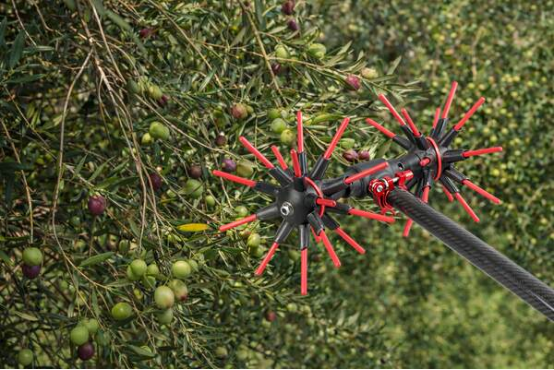
With advanced olive harvesting tools, farmers can harvest early olives efficiently and gently, protecting both flavor and nutrients. Unlike manual picking, these tools minimize handling damage and accelerate the process, ensuring the freshest possible oil.
In contrast, late harvest olive oil is made from fully ripened olives, typically picked between November and December. These olives are softer and have a higher oil content, which usually results in a milder, fruitier oil with less bitterness. Late harvest oil tends to be smoother and more versatile in the kitchen, so it works well for cooking, sautéing, and even baking.
While late harvest oil may lack the intense peppery bite of early harvest oil, its gentle flavor allows it to complement a wider variety of dishes. Properly timed harvest maximizes yield, and careful handling helps the oil retain its quality and aroma.
The timing of the olive harvest directly affects oil characteristics. Early harvest oil is typically greener, more pungent, and higher in polyphenols, whereas late harvest oil is golden, sweeter, and fruitier. These differences are not only culinary; they also influence shelf life, stability, and health benefits.
Harvesting at the right time takes care and precision. Orchard owner check the olives’ color, texture, and moisture to pick them at their best. With modern tools and methods, farmers can run large orchards efficiently while upholding the quality standards consumers expect.
Advancements in harvesting technology have revolutionized olive production. Portable olive harvesters, for example, let growers pick olives quickly and evenly, reducing labor and keeping the fruit intact. In addition, mechanical shakers and pneumatic harvesters provide precise control over the collection process, so early harvest olives remain undamaged and late harvest olives are gathered efficiently. The combination of these modern tools with GIS mapping and orchard monitoring has enabled data-driven decisions. Farmers can optimize the harvest schedule, avoid overripe fruit, and keep quality consistent across multiple hectares. This technological integration represents the future of olive harvesting, blending efficiency with sustainability.
Knowing how early and late harvest olive oils differ makes it easier to choose the right one for cooking or drizzling. Early harvest oil’s bold, robust flavor is perfect for finishing dishes, drizzling on fresh salads, or enhancing raw preparations. Late harvest oil, with its milder and fruitier taste, works well for cooking, roasting, or baking.
When purchasing olive oil, paying attention to both the harvest time and the harvesting method ensures that you enjoy the best combination of taste and health benefits. Tools like electric olive harvesters contribute to this by guaranteeing minimal handling damage, which keeps the oil fresh and flavorful from grove to table.
The future of olive harvesting lies in continued innovation. Automation, electric tools, and data-driven orchard management will increasingly define high-quality olive oil production. Precision agriculture techniques, including fruit ripeness mapping and environmental monitoring, give orchard owners the ability to plan harvests with remarkable accuracy. Paired with modern monitoring systems, electric and mechanical harvesters reduce labor costs, boost yield, and preserve the exceptional quality consumers expect. As awareness of flavor profiles, health benefits, and sustainable practices grows, the combination of modern harvesting technology and careful timing will continue to elevate the standard of olive oils worldwide.
If you like the sharp, peppery flavor of early harvest olive oil or the mellow, fruity taste of late harvest oil, timing and harvesting methods matter. With portable olive harvesters, producers can harvest olives rapidly and evenly, reducing labor and safeguarding the fruit.







