Key Takeaways
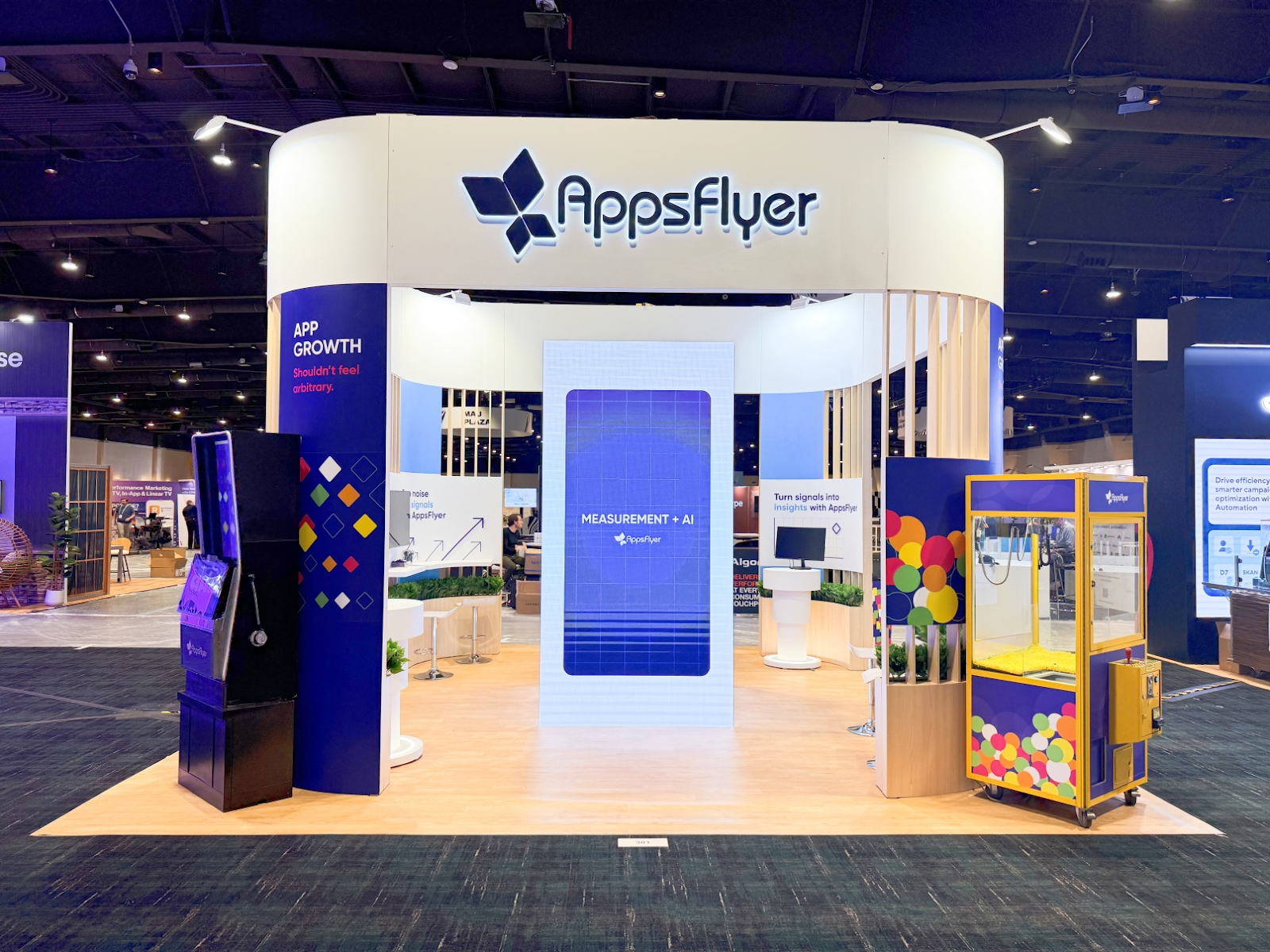
Walk the floor of any major trade show today and something becomes immediately clear: the booth that stops foot traffic usually has a video wall. Not just any display, either. The difference between a basic LED screen and a high-resolution micro pixel panel is visible from across the aisle. As exhibitor competition intensifies and attention spans shrink, the technology powering trade show visual experiences has become one of the most important strategic decisions a marketing team can make.
The shift toward micro pixel pitch LED technology -- specifically panels with a pixel pitch of P1.5 and P1.9 -- is one of the clearest technology trends reshaping how companies show up on the trade show floor. TrueBlue Exhibits, a Las Vegas-based trade show booth and LED video wall specialist with over 12 years of experience and more than 2,300 completed projects, has seen this shift firsthand as exhibitors increasingly request finer pixel pitches for their booth builds.
What Is Pixel Pitch, and Why Does It Matter for Trade Shows?
Pixel pitch refers to the distance in millimeters between the centers of adjacent LED elements on a display panel. A P3.9 panel has pixels spaced 3.9mm apart. A P1.5 panel spaces them just 1.5mm apart. That seemingly small difference produces a dramatically sharper image, particularly at close range.
This distinction matters enormously in a trade show context. Unlike a stadium scoreboard or a digital billboard viewed from 50 feet away, a trade show display is often viewed from three to fifteen feet. At that distance, a coarser pixel pitch creates a visible grain or "screen door" effect that diminishes visual impact. A P1.5 or P1.9 display at the same distance renders video, brand graphics, and product imagery with cinema-level clarity.
For a brand investing in a 20x20 or 20x30 booth, that visual quality difference is not cosmetic -- it directly shapes how attendees perceive the brand. A pixelated display reads as cheap or dated. A crisp, high-contrast LED wall reads as premium, innovative, and worth stopping for.
The Rise of Micro Pixel Panels in the Exhibit World
The trade show industry's adoption of P1.5 and P1.9 panels is part of a broader market movement. According to industry analysis, revenue from P1.4 to P1.1 displays grew 30% in the past several years, while shipment area surged by 120% as exhibitors and venue operators demanded finer, more immersive displays. Sub-1.5mm LED walls now represent the fastest-growing category in the indoor display segment.
On the manufacturing side, technologies like COB (Chip-on-Board) and MiP (Micro-in-Package) have made smaller pixel pitches more accessible and cost-effective. Industry experts note that COB technology holds a competitive advantage for pixel pitches below P1.5, while MiP performs strongly at P1.5 and above -- which happens to be the sweet spot for most trade show applications. As production scales and component costs fall, these panels are reaching the rental market in greater volume, which is good news for exhibitors who want premium display quality without purchasing hardware outright.
What Micro Pixel LED Changes Inside a Booth
The practical impact of switching from a P3.9 or P2.6 panel to a P1.5 or P1.9 display inside a trade show booth touches nearly every visual element of the exhibit.
Product demonstration videos play back with the kind of clarity typically reserved for broadcast or cinema screens. Brand color accuracy improves because tighter pixel density produces richer contrast and more uniform color gradients. Text legibility increases significantly, which matters for companies that use their LED wall to display data, pricing, or product specifications. And importantly, the display performs beautifully under trade show floor lighting conditions, which can be harsh and variable.
There is also a flexibility advantage. Micro pixel panels are modular and can be arranged in landscape, portrait, L-shape, curved, or freestanding configurations. Aspect ratios can be customized -- from the standard 16:9 widescreen format to unconventional shapes that wrap around booth architecture. For brands that want the video wall to feel like a structural element rather than a screen bolted to a wall, this configurability makes a meaningful difference.
Rental vs. Purchase: Why the Trade Show Market Leans Toward Rental
Despite the growing quality of micro pixel LED panels, most trade show exhibitors do not purchase their own hardware. The economics point strongly toward rental, for several reasons.
LED technology advances quickly. A P1.9 panel that represents the high end of trade show displays today will eventually be surpassed by even finer pitches at competitive price points. Purchasing locks an exhibitor into a specific generation of technology and creates ongoing obligations around storage, logistics, maintenance, and calibration. Rental eliminates all of that.
For exhibitors who appear at multiple shows per year -- or who need different booth footprints across different events -- rental also offers operational flexibility. A 6x3 video wall at CES does not need to be the same configuration as a backdrop wall at a healthcare conference. Rental providers with large panel inventory can reconfigure displays to fit the show.
Providers with factory-direct inventory can take this further. Rather than sourcing panels from a broker or logistics partner, a direct provider controls availability, quality, and configuration options. TrueBlue Exhibits, for example, operates warehouses in Las Vegas, San Francisco, Chicago, and Orlando with over 15,000 LED panels in stock, enabling same-week turnaround for domestic shows across all major trade show cities.
Choosing the Right Pixel Pitch for Your Booth
Not every exhibit requires a P1.5 panel, and the right choice depends on viewing distance, content type, and budget.
For close-up viewing of three to fifteen feet -- the typical range inside a trade show booth -- a pixel pitch between P1.2 and P2.5 delivers the best visual results. Content featuring high-resolution video, detailed product imagery, or intricate brand graphics performs best on finer pitches. A company showing mostly large-text brand messaging or simple motion graphics could reasonably use a P2.6 and still achieve strong results.
Aspect ratio is another practical consideration. The 16:9 format aligns with standard video content and avoids the distortion issues that come with non-standard configurations. If a brand wants to go ultra-wide or use a non-standard shape, working with an experienced provider to create content specifically matched to the screen's resolution prevents the letterboxing and stretching that can undermine an otherwise impressive display.
For exhibitors at Las Vegas trade shows -- which represent a significant portion of the U.S. convention calendar -- having access to a local provider with fine-pitch inventory on hand matters a great deal. The Las Vegas P1.5 LED video wall rental options offered by TrueBlue Exhibits reflect the demand from corporate and mid-market exhibitors who want broadcast-quality imagery without purchasing their own equipment.
The Broader Tech Shift on the Trade Show Floor
Micro pixel LED is part of a larger technology wave reshaping trade show exhibit design. Digital displays are increasingly integrated into structural architecture rather than treated as add-ons. Curved screens, backlit counters with embedded displays, and multi-panel arrays that create immersive brand environments are becoming standard features in larger booth footprints.
TrueBlue Exhibits has documented this trend across its portfolio, which includes LED video wall booths for companies ranging from technology startups to global brands exhibiting at CES, SEMA, MJBizCon, and international shows. The shift toward integrated visual technology is consistent regardless of industry vertical -- healthcare, finance, beauty, industrial, and technology brands all leverage high-resolution displays to compete on the show floor.
As the line between physical exhibit design and digital brand experience continues to blur, the pixel pitch conversation is likely to intensify. Exhibitors who understand the technical specifications behind their displays -- and work with experienced providers who can translate those specs into real results -- will have a measurable advantage in the booth locations that matter most.
Frequently Asked Questions
What is micro pixel pitch LED and how does it differ from standard LED displays? Micro pixel pitch LED refers to displays with a pixel pitch below approximately 2.5mm, with P1.5 and P1.9 being common options. The smaller the pitch number, the more pixels per square meter and the sharper the image. Standard trade show panels often used pitches of P3.9 or higher, which appear fine at distance but show visible pixelation at close range.
What pixel pitch is best for a trade show booth? For typical trade show viewing distances of three to fifteen feet, a pixel pitch between P1.5 and P2.6 produces optimal clarity. P1.5 and P1.9 are particularly well-suited for exhibitors displaying high-resolution video, product imagery, or detailed graphics where visual precision matters.
Why is LED video wall rental more common than purchasing for trade shows? Rental is more practical for most exhibitors because it eliminates upfront capital costs, storage requirements, logistics management, and the risk of owning technology that becomes outdated. Rental providers also offer configuration flexibility, allowing exhibitors to use different screen sizes and layouts at different shows.
How does pixel pitch affect viewing distance? Pixel pitch and optimal viewing distance are directly related. A P1.5 display is designed for close viewing (approximately three to ten feet), while a P3.9 panel is better suited for viewing distances of twelve feet or more. Using a coarser pitch at close range results in visible pixelation that reduces visual impact.
What aspect ratio works best for trade show LED video walls? The standard 16:9 aspect ratio aligns with most commercial video content and avoids distortion issues. Custom aspect ratios are possible but require content created at the exact screen resolution to prevent letterboxing, image stretching, or cropping.
Are P1.5 and P1.9 LED video walls available for single-event rentals? Yes. Providers with large panel inventory -- particularly those operating factory-direct warehouses in major trade show markets -- typically offer per-day or per-event rental pricing that includes delivery, installation, and dismantle as part of a turnkey service.
What cities have the highest demand for LED video wall rentals at trade shows? Las Vegas consistently leads U.S. demand given its concentration of large-scale conventions and trade shows. Chicago, Orlando, Los Angeles, San Francisco, and New York are also major markets where exhibitors frequently require LED video wall rental services for events at major convention centers.