Ocean City doesn't do bars. No late-night clubs, zero casinos, nothing close to Atlantic City's nightlife. Legal New Jersey online gaming has quietly scratched that itch, running entirely off players' personal devices from their Airbnb.
Down the Shore, summer nights have their own pace. Kohr Brothers closes, the boardwalk clears out, families wind down in rentals stretched from 1st to 59th Street. For adults still awake once the kids are out, crossing the bridge north toward Atlantic City doesn't pencil out the way it used to. Bridge tolls, traffic, parking, an hour gone before pulling up to a single table. Staying on your balcony with a licensed NJ casino app just makes more sense, financially and logistically.
Balcony hangouts after 10 p.m. really bring that special Shore vibe. With a cold drink in hand and a nice view of the water, it’s the perfect setup, just dimming your phone screen enough to enjoy the night. What’s going on those screens has turned into quite the tale that most folks don’t even notice. Ocean City’s rules do a solid job of keeping nightlife under control, and that’s a big part of what gives the place its unique culture.
Legal access to casino games from the same rental patio, with a better view and zero cover charge, is a straightforward alternative to the Parkway run. According to the New Jersey Division of Gaming Enforcement, New Jersey generated $2.91 billion in total internet gaming revenue for the full year of 2025. Shore markets, where you can't find any physical gaming options, probably played a big role in those sessions.
Dropping real money into a gaming app without checking the terms first isn't how informed adults handle spending. Wagering requirements vary enough across platforms to genuinely matter. Before committing to any platform, responsible players should compare:
Residents should know that Casino.org offers a variety of the best casino bonuses for any player getting started online. Cross-referencing through an independent source cuts through operator marketing copy entirely, which is precisely the point of using one. Vacation budgets stay intact when people do their homework and planning before making that first deposit.
Market data shows that in 2025, online mobile platforms finally pulled ahead of retail casinos in terms of revenue. Dry resort towns have become the perfect chill spots for people hanging out and enjoying their evenings on licensed apps.
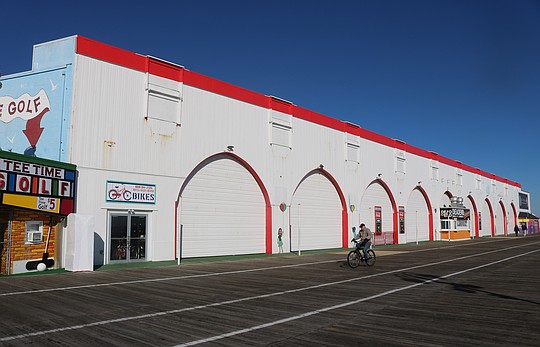
A citizen-government subcommittee recently began working through commercial zones along the boardwalk, analyzing what modernization might realistically look like for the island's entertainment footprint. City Hall conversations right now center almost entirely on physical space. Separately, the City Council tabled a resolution to hire a professional planning consultant for the Wonderland Pier property (a move that drew considerable community reaction) so broader public input could happen before any direction was locked in.
Physical planning moves through stages. Committees, consultants, public meetings, and all that jazz. Online gambling operates on a completely different timeline. No zoning variance, no site plan review, no historic district consultation. While committees figure out boardwalk footprints and commercial proposals, digital entertainment keeps growing without touching a single square foot of commercial space. Where does all that economic activity actually land? Directly on licensed operators, generated from personal devices, with zero footprint on the physical town.
Ocean City's identity took more than a century to build. Dry town, family resort with a clean boardwalk. There's been a structured summer calendar going back generations. None of that has to change because adults play licensed gaming platforms on their own phones. Families booking their usual rentals on 34th Street don't notice anything different about the island itself. What happens on a private device inside a rental unit stays entirely off the public record, exactly how this town likes it.
According to the New Jersey Division of Gaming Enforcement, internet gaming revenue for January 2026 reached $258.9 million statewide, confirming that engagement with licensed platforms runs well past Labor Day. So what does the complete picture actually look like? A resort that holds its character intact in public while adults manage their own entertainment privately. Contributing to a statewide economy that clearly isn't slowing down. All without disturbing a dry-town ordinance that's been on the books for over 100 years.
Ocean City has always known exactly what it doesn't want inside its borders. But what it's quietly become is worth paying attention to: a working model for keeping historic identity and modern adult recreation separate and enjoyable for all.