
City transportation in the United States is evolving quickly. Congested roads, expensive gas, and limited parking have pushed many urban residents to rethink how they get around. Over the past few years, electric bikes have emerged as one of the most practical alternatives to driving.
But as more people begin riding e-bikes, one problem keeps coming up: weight.
Many traditional e-bikes weigh between 55 and 70 pounds (25–32 kg). While that might not sound extreme at first, the weight becomes a real issue in everyday situations. Imagine carrying your bike up a flight of apartment stairs, lifting it onto a bike rack, or squeezing it into a small hallway or office storage area. Suddenly, that extra weight makes the bike feel less like a convenience and more like a burden.
That’s why more riders are now searching for a lightweight ebike—a model that still provides electric assistance but is easier to carry, store, and maneuver in real urban environments.
Lightweight e-bikes are quickly becoming the next generation of city mobility, and brands like Fiido are helping redefine what modern urban e-bikes can look like.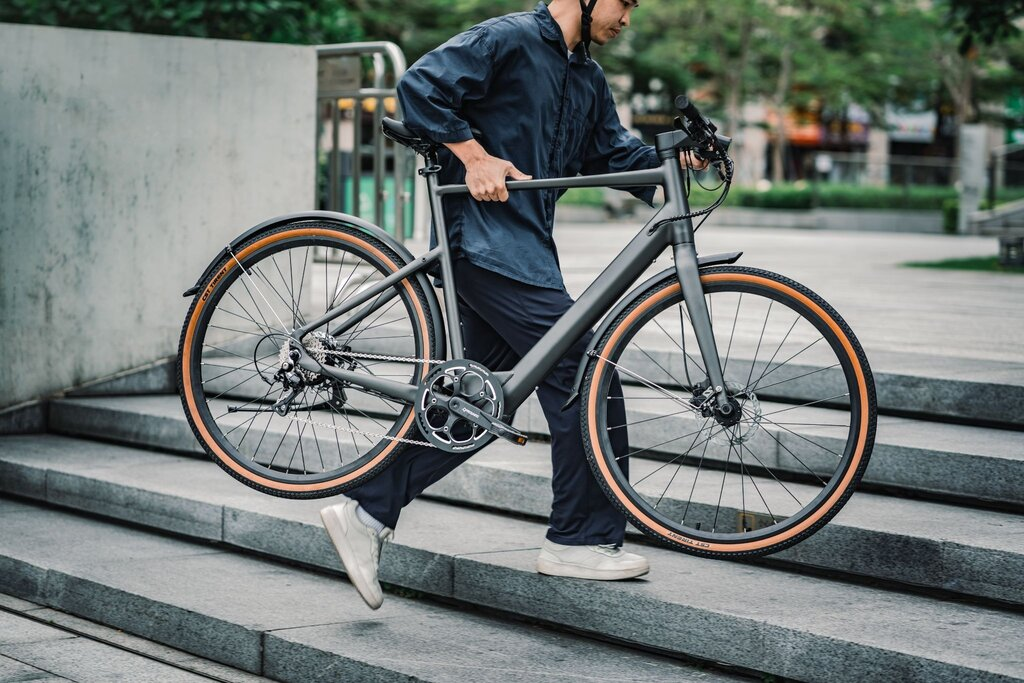
Not every electric bike marketed as “lightweight” truly delivers on the promise. In general, a genuine lightweight ebike falls under 44 pounds (20 kg), with premium models going even lighter.
Reducing weight while maintaining durability and performance requires thoughtful engineering. Most lightweight e-bikes achieve this through three main design strategies.
The frame is the largest structural component of any bicycle, and it plays a major role in overall weight. Traditional steel frames are durable but heavy. Modern lightweight e-bikes instead rely on high-grade aluminum alloys or carbon fiber.
These materials provide excellent strength while dramatically reducing weight. Carbon fiber in particular offers an impressive strength-to-weight ratio, which is why it is often used in high-performance bikes.
Older e-bikes frequently used bulky external battery packs mounted on racks or frames. Modern lightweight designs integrate the battery directly into the frame, reducing unnecessary material and improving weight distribution.
An integrated battery also enhances aesthetics, giving the ebike a cleaner and more minimalist look.
Motor efficiency also contributes to overall weight reduction. Smaller, well-optimized motors can provide sufficient assistance for city riding without adding unnecessary bulk.
When these elements come together, riders benefit from several real-world advantages:
For many city riders, these benefits completely transform the daily riding experience.
As urban cycling grows in popularity, manufacturers are increasingly focusing on lightweight design. Among them, Fiido has built a strong reputation for creating e-bikes that balance technology, practicality, and modern aesthetics.
Rather than simply removing weight, Fiido approaches lightweight design through a broader philosophy centered on urban mobility.
Key aspects of the Fiido design philosophy include:
This approach allows Fiido to produce lightweight e-bikes that are not only easier to carry but also more enjoyable to ride on a daily basis.
Several models in the Fiido lineup demonstrate how effective this philosophy can be.
For riders who prioritize weight above all else, the Fiido Air represents one of the most advanced lightweight options available.
Its defining feature is the carbon fiber frame, which dramatically reduces weight while maintaining impressive structural strength. Carbon fiber also absorbs road vibration more effectively than many traditional materials, contributing to a smoother ride.
The result is an e-bike that feels remarkably close to a traditional bicycle in terms of handling and responsiveness. Riders can accelerate quickly, maneuver through city traffic with ease, and carry the bike upstairs without feeling overwhelmed.
Beyond its weight advantage, the Fiido Air also features a sleek and minimalist design that appeals to riders who appreciate both performance and aesthetics. For urban cyclists who value portability and style, it offers a compelling combination.
The Fiido C21 is designed with daily city commuting in mind. While it maintains a lightweight structure, its geometry and design focus on practicality and versatility.
Built around a streamlined aluminum frame, the C21 provides a balanced riding experience that works well for longer commutes as well as casual city rides. Its motor system delivers smooth assistance that feels natural rather than overwhelming, making it ideal for riders who want subtle support rather than aggressive power.
One of the most appealing aspects of the C21 is its clean, understated design. With its integrated battery and minimalist frame lines, the bike blends easily into urban environments while maintaining a modern appearance.
For riders who want a lightweight e-bike that feels refined and reliable for everyday transportation, the C21 is a strong contender.
While some lightweight e-bikes emphasize minimalism above all else, the Fiido C11 Pro aims to balance weight reduction with comfort and practicality.
This model is particularly well suited for commuters who spend significant time on the bike each day. Its geometry encourages a more relaxed riding posture, reducing strain on the back and shoulders during longer trips.
The C11 Pro also provides generous battery capacity, allowing riders to cover longer distances without worrying about frequent charging. Combined with its lightweight structure, this makes it a practical option for people who rely on their e-bike as a primary transportation tool.
For riders who value comfort, reliability, and daily usability, the C11 Pro delivers a well-rounded solution.
While lightweight e-bikes can appeal to nearly any rider, they are especially valuable for certain lifestyles and urban situations.
Many city dwellers live in apartments without elevators or dedicated bike storage. Carrying a heavy e-bike upstairs can quickly become frustrating. A lightweight model makes this daily routine much more manageable.
Some commuters combine cycling with trains, subways, or buses. In these cases, lifting the bike onto platforms or into storage areas becomes much easier when the bike weighs significantly less.
Cities often feature narrow bike lanes, crowded intersections, and limited storage areas. Lightweight bikes are generally more agile and easier to maneuver in these environments.
Ultimately, a lightweight e-bike reduces friction in everyday life. Whether it's lifting the bike onto a rack, carrying it into an office, or navigating busy streets, less weight simply makes the entire experience smoother.
As cities continue to evolve, personal transportation needs are changing. People want solutions that are efficient, flexible, and easy to integrate into daily life.
Lightweight e-bikes meet these needs perfectly. They combine the convenience of electric assistance with the simplicity and portability of traditional bicycles.
Brands like Fiido are helping push this category forward by developing models that prioritize intelligent design, modern aesthetics, and practical usability.
For urban riders looking toward the future of transportation, one thing is becoming increasingly clear:
The smartest way to ride the city might just be going lighter.







