
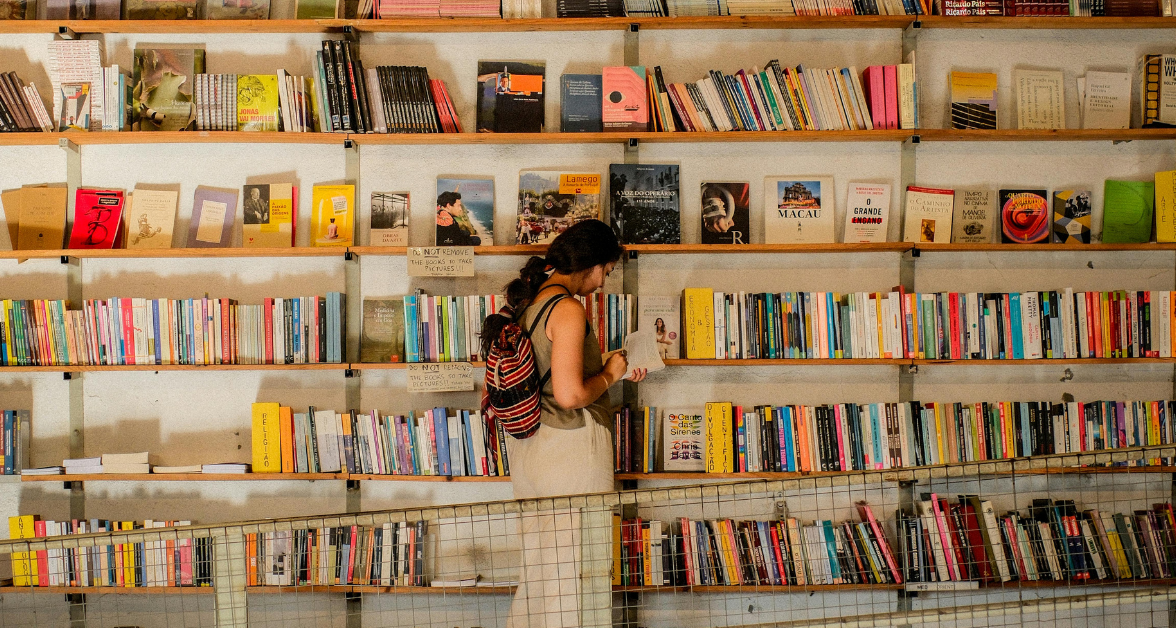
Once you’ve read your old books and want to make room for new ones, it’s time to explore practical ideas for what to do with them. Many book lovers wish they could keep every title forever, but limited space makes that difficult. And simply storing them on shelves keeps those stories from continuing to inspire others.
When your bookshelves have reached their breaking point, it might be time to part with some of your old favorites. Of course, it’s easier to part with textbooks or books you didn’t really enjoy. Here are several practical ways to declutter, earn some extra cash, and share your love of reading with others.
A true book lover never stops collecting, but new books can get expensive. Selling older ones online can help fund your next literary adventure. Top platforms include auction sites like eBay, and price comparison tools such as Direct Textbook. You’ll need to handle shipping and platform fees, but these can be factored into your final price.
You can also sell books locally. Many cities have bookstores that buy used books—some specialize in collectibles, while others buy popular titles in bulk. Whether you’re in Philadelphia, Ashburn, or anywhere else, a quick online search will help you find nearby options. Always call ahead to confirm what kinds of books they accept.
Before listing your books for sale, inspect their condition carefully. Buyers can be unhappy if items are misrepresented and may request refunds. Check for mold, water damage, and odors. Take several clear photos—inside and out—and write honest descriptions that include both physical condition and a brief overview of the book’s content or genre. Price competitively based on demand and the going rate for that title.
If your old books are still in excellent condition, donating them is a wonderful way to share knowledge and encourage reading in the community. Consider giving to:
Many public libraries also accept donations through “Friends of the Library” initiatives.
If you’d like to keep your donations close to home, try using Little Free Libraries in your neighborhood. These small, weatherproof boxes operate on a simple system: “Take One, Leave One.” You can even build one yourself if your neighborhood doesn’t have one—just remember to maintain it and check in periodically.
For simpler sharing, you might leave a labeled “Free Book – Enjoy!” copy at a bus stop or community center. However, always do this responsibly and avoid leaving books where it could be considered littering.
While you can’t exactly build furniture out of paperbacks, you can decorate your home in ways that celebrate your love of reading. Choose large, sturdy hardcovers for creative, practical uses such as:
Not every book can be sold or donated, but you can still repurpose even the most worn-out volumes. Many crafters and artists use book pages and covers for creative projects—and you can too.
Decoupage involves gluing pieces of paper or images onto surfaces to decorate boxes, vases, or trays. Old picture books, atlases, and illustrated guides are great sources for eye-catching images.
This artistic journaling trend uses scraps, book pages, pictures, and paper cut-outs to create a personalized, textured journal with areas for writing or sketching.
These crafts extend the life of unwanted books—and, if you’re crafty, you can even sell finished pieces or materials to artists on Etsy or eBay.
It’s never easy for a book lover to say goodbye to a piece of their collection. But whether you sell, donate, decorate, or upcycle, giving your books a second life helps others read, learn, and create. Let your old stories travel, and make space for new ones to take their place.







