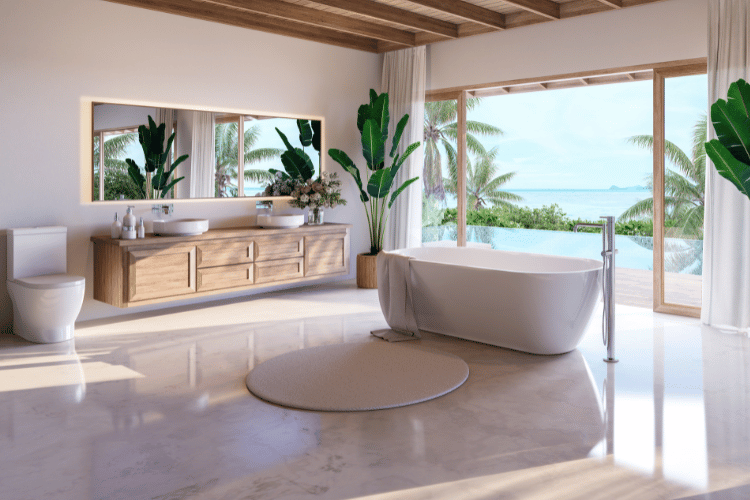
Ocean City has long been known for its relaxed coastal lifestyle, breezy boardwalk energy, and homes that celebrate the rhythm of the ocean. Beach houses here are not just vacation spots; they are places where design meets comfort, where interiors reflect the surrounding shoreline, and where homeowners look for ways to create spaces that feel both stylish and effortless.
Some trends are inspired by the natural landscape, while others reflect changing preferences in how people use their living spaces. In Ocean City beach houses this season, the focus is clear: interiors that feel light, personal, and connected to the coastal environment.
From natural textures to curated artwork, here are the interior design trends shaping beach houses across Ocean City.
Classic coastal design has traditionally leaned on bold blues and bright whites. While those colors still have a place in beach homes, many Ocean City interiors are shifting toward softer palettes that mirror the subtler tones of the shoreline.
Designers and homeowners are increasingly favoring colors such as:
These shades create a calmer atmosphere and help spaces feel open and airy. Instead of high contrast, the goal is visual harmony. Walls, textiles, and décor work together to evoke the natural colors of the coast without overwhelming the space.
This approach also allows statement pieces like artwork, sculptural lighting, or natural wood furniture to stand out without competing with bold wall colors.
One of the most noticeable design choices in Ocean City beach homes this year is the emphasis on natural materials. Homeowners want interiors that feel grounded in their surroundings rather than overly polished or artificial.
Common materials appearing throughout these homes include:
These textures help bring warmth to beach houses that often feature large windows and bright lighting. They also create a tactile experience that feels relaxed and lived-in.
Natural materials work particularly well in open-concept layouts, which are common in coastal homes. When the living room, dining area, and kitchen share the same space, layered textures help define different zones without adding visual clutter.
Wall art is playing a much bigger role in beach house design this season. Instead of generic nautical prints, many homeowners are turning to artwork that feels more personal and expressive.
Animal-inspired artwork has become especially popular. Pieces featuring marine life, coastal birds, or other wildlife create a strong connection to the environment while adding personality to the room.
Large statement prints above sofas, beds, or dining tables are common choices. These pieces often act as focal points that anchor the rest of the décor.
For homeowners looking to incorporate distinctive artwork into their coastal interiors, many choose to shop at The GOAT Wall Art to find animal-themed pieces that complement relaxed beach aesthetics. Artwork like this pairs well with neutral palettes and natural textures, helping rooms feel curated without appearing overly staged.
When selecting wall art for a beach house, designers often recommend:
Thoughtful placement makes art feel integrated into the overall design rather than an afterthought.
Ocean City homes are built around the idea of enjoying the outdoors. As a result, interior layouts increasingly blur the line between indoor and outdoor living.
Large sliding doors, folding glass walls, and expansive windows are common features in newer or renovated beach houses. These elements allow sunlight and ocean breezes to flow freely through the home.
Interior design choices follow the same philosophy. Many homeowners are choosing furniture and décor that transition easily between indoor and outdoor spaces.
Popular design approaches include:
The goal is to make the home feel like one continuous space rather than separate indoor and outdoor zones.
The living room is the social hub of most Ocean City beach houses. During summer, for instance, it becomes the place where families gather after long days on the beach, making comfort a top priority.
This year’s interiors lean heavily into layered, relaxed spaces. Instead of rigid furniture layouts, homeowners are arranging seating to encourage conversation and flexibility.
Key elements of this trend include:
Designers are also favoring slightly imperfect styling. Stacked books, woven baskets, and casually draped throws create rooms that feel welcoming rather than overly formal.
This approach fits naturally with coastal living. Beach houses are meant to feel easy and comfortable, not overly styled.
Perhaps the most important shift in Ocean City beach house design is the move toward personalization. Instead of copying a single coastal design formula, homeowners are creating spaces that reflect their interests, travels, and experiences.
Artwork, souvenirs, family photographs, and meaningful décor items are becoming key parts of interior design.
Examples of personalized touches include:
This approach makes beach homes feel unique rather than interchangeable.
Designers often recommend choosing a few standout elements that carry personal meaning. When those pieces are displayed thoughtfully, they add depth and authenticity to the home’s overall aesthetic.
Ocean City beach houses this season reflect a clear design philosophy: relaxed spaces that feel connected to nature while still showcasing personal style. Soft coastal color palettes, natural materials, curated artwork, and indoor-outdoor living all contribute to interiors that feel calm and welcoming.
Animal-inspired artwork and carefully selected décor pieces are helping homeowners move beyond predictable coastal themes. At the same time, layered living spaces and personalized design choices make beach homes more comfortable and expressive.
For anyone refreshing their Ocean City beach house this season, the key takeaway is simple. Focus on natural textures, thoughtful artwork, and pieces that reflect your connection to the coast. When these elements come together, a beach home becomes more than just a summer retreat. It becomes a place that truly captures the spirit of coastal living.