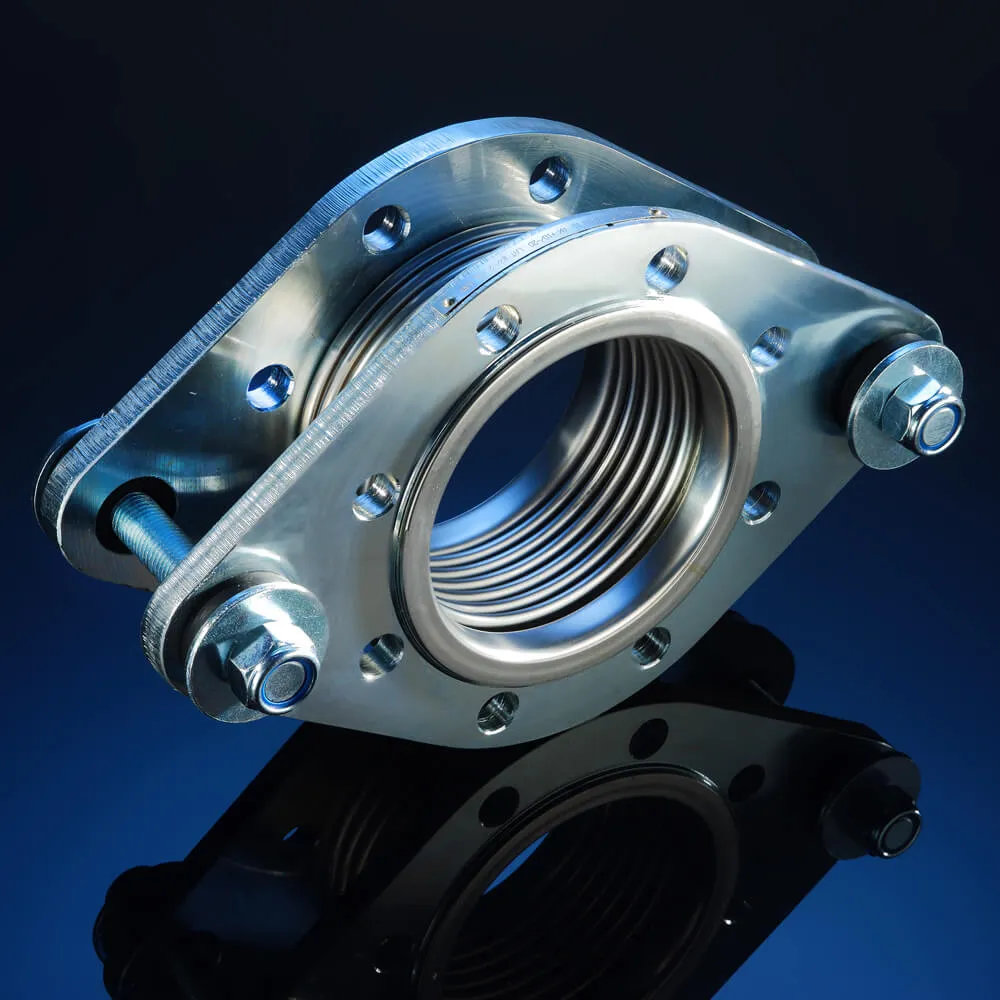
Flex hose connectors are an integral part of plumbing, heating, and industrial piping systems. They serve as flexible links between rigid pipes or appliances, allowing for movement, vibration absorption, and thermal expansion without compromising the integrity of the connection. Their adaptability makes them suitable for both domestic and industrial applications where rigid connections may be impractical or prone to stress-related failures.
Flex hose connectors come in various types, each designed for specific uses. Stainless steel braided hoses are common in applications that require durability and high-pressure resistance. These hoses can withstand temperature fluctuations and maintain integrity under mechanical stress. Rubber flex hoses are often used in domestic water supply systems due to their flexibility and ease of installation. They can accommodate slight misalignments between fittings and reduce installation time. PVC-based hoses offer a lightweight alternative, resistant to corrosion and chemical degradation, often applied in low-pressure or temporary systems.
End fittings on flex hose connectors also vary, affecting their suitability for different tasks. Threaded ends provide a secure and traditional method of connection, while push-fit connectors allow for faster installation and removal. Flanged ends may be used in industrial contexts where a robust and leak-proof joint is required. The choice of fitting depends on the specific system requirements, including pressure, temperature, and ease of maintenance.
In residential settings, flex hose connectors are widely used to connect taps, sinks, toilets, washing machines, and dishwashers to the main water supply. The flexibility of these hoses accommodates slight misalignments in pipework and facilitates appliance installation. In bathrooms and kitchens, where space can be limited, the ability to bend and adjust a flex hose connector makes it easier to achieve a secure and functional connection.
Flex hose connectors also play a role in central heating systems. They connect radiators, boilers, and circulation pumps while absorbing thermal expansion and vibrations. This reduces the stress on rigid pipes and minimizes the risk of leaks. In heating systems, maintaining a secure connection despite temperature variations is crucial for efficiency and safety.
Beyond domestic applications, flex hose connectors are employed extensively in industrial and commercial systems. They connect pumps, compressors, and pipelines carrying liquids, gases, or chemicals. Their ability to withstand movement and vibration is particularly important in settings where machinery generates continuous mechanical stress.
Certain industries, such as chemical processing or food and beverage manufacturing, require flex hose connectors that resist corrosion or chemical attack. Stainless steel or specially coated rubber hoses are chosen for their durability in harsh environments. The connectors must also comply with safety and industry standards, ensuring that fluid transport is reliable and contamination-free.
Proper installation of flex hose connectors is essential to their performance. Hoses should not be twisted, kinked, or excessively stretched, as this can compromise their integrity and lead to leaks. The correct length is also important; hoses that are too long may sag or fold, while hoses that are too short can place stress on the fittings.
Inspecting connectors for compatibility with pressure, temperature, and fluid type ensures that the selected hose meets system requirements. In some cases, supports or guides may be necessary to prevent excessive movement or strain on the hose. Routine maintenance, including checking for wear or corrosion, can extend the lifespan of flex hose connectors and prevent system failures.
Flex hose connectors offer several advantages, including the ability to absorb vibrations, accommodate system movement, and simplify installation. They reduce the stress on rigid pipes and facilitate connections in tight or awkward spaces. Regular maintenance and proper installation can enhance their effectiveness and reliability.
However, they have limitations. Flex hoses can be more susceptible to physical damage than rigid pipes, and their materials may degrade over time due to heat, chemicals, or UV exposure. Choosing the appropriate material and type for the specific application is essential to avoid premature failure. In industrial or outdoor environments, additional considerations such as mechanical protection or insulation may be necessary.
Choosing the right flex hose connector requires careful consideration of the system’s demands. Factors such as fluid type, pressure rating, temperature range, and environmental conditions influence material and design selection. Certifications and compliance with industry standards can provide assurance of performance, particularly in commercial or industrial installations.
Understanding the operating environment is also key. For areas with high vibration or frequent movement, braided stainless steel hoses are often preferred. For domestic plumbing, rubber or PVC hoses may be sufficient. Ensuring that connectors are correctly sized and installed according to manufacturer guidelines helps maintain a reliable and leak-free system.
Routine inspection and maintenance of flex hose connectors are crucial for system longevity. Checking for signs of wear, corrosion, or leakage allows issues to be addressed before they escalate. Proper installation, regular monitoring, and timely replacement of worn connectors can prevent system disruptions and maintain operational efficiency.
In conclusion, flex hose connectors provide a versatile and practical solution for connecting pipes and appliances in domestic, commercial, and industrial systems. Their ability to handle movement, vibration, and thermal changes ensures reliable performance when selected and maintained appropriately.