
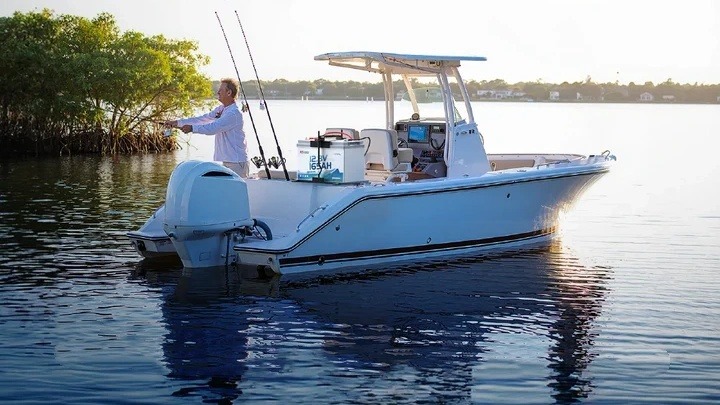
Spring is almost here, and many anglers are already thinking about getting back on the water. Boats are being uncovered, rods are checked, and tackle boxes slowly come back to life after winter storage. Yet one thing often gets ignored until it causes trouble, and that is the trolling motor battery.
A weak battery can shorten a fishing day faster than bad weather. When the motor loses power, staying on a good fishing spot becomes difficult and plans change quickly. This guide looks at how choosing the right trolling motor battery can help anglers spend more time fishing and less time worrying about power.
As the weather begins to warm up, many anglers start preparing their boats for the new fishing season. Cleaning the deck, checking safety gear, and organizing tackle usually come first. However, power systems often receive attention only after something stops working, which is rarely the ideal time to discover a problem.
A trolling motor depends completely on battery performance. Even if everything else is ready, a weak or poorly maintained battery can cut a fishing trip short. Spending a little time checking your setup before launch day helps avoid unwanted surprises once you are already on the water.
Common preseason mistakes anglers make
A quick preseason check allows anglers to start the season with confidence instead of troubleshooting equipment during prime fishing hours.
Many people focus on rods, reels, and electronics, yet the trolling motor battery quietly controls how successful a day on the water can be. The trolling motor helps anglers hold position, move slowly through fishing areas, and approach spots without disturbing fish. When power stays steady, fishing becomes smoother and more productive.
Battery performance directly affects how long you can stay in your favorite location. If power fades early, anglers may drift away from productive areas or return to shore sooner than planned. Reliable energy allows better boat control, longer fishing time, and fewer interruptions throughout the day.
Because of this, more boat owners now consider upgrading to a lithium trolling motor battery that provides consistent power and longer runtime during full-day fishing trips. A dependable battery supports quiet operation, steady movement, and a more relaxed experience on the water.
Selecting the correct battery size is just as important as choosing the battery type. A battery that is too small may struggle to last through the day, while an oversized setup can add unnecessary weight and cost. Matching battery capacity to how you actually fish makes the biggest difference.
Start by thinking about your boat setup and fishing habits. Consider how long you typically stay on the water and how much equipment runs at the same time.
Things anglers should consider
Choosing the right battery capacity helps maintain steady motor performance and allows anglers to fish comfortably without worrying about running out of power too soon.
If you want a more precise estimate, you can use this formula:
Runtime (hours) = Battery Capacity (Ah) × Usable Depth of Discharge ÷ Motor Current (Amps)
Example:
A 100Ah lithium battery (with 90% usable capacity) powering a motor drawing 25 amps:
100Ah ÷ 25A ≈ 3.6 hours
For lead-acid batteries, usable capacity is typically around 50% to preserve battery life, while lithium (LiFePO4) batteries can safely use 80–100% of their rated capacity.
When choosing a trolling motor battery, understanding common BCI Group sizes is essential. The “Group” number refers to standardized physical dimensions (length × width × height), and typically correlates with capacity and weight. For most fishing boats, the most common trolling motor battery sizes are Group 24, Group 27, and Group 31 marine batteries.
Typical Capacity: 70–85Ah
Best For: Small boats, 30–45 lb thrust trolling motors
Group 24 is one of the smaller common marine battery sizes. It’s ideal for anglers with modest power needs or shorter fishing trips. If you’re fishing for a few hours on a small lake, this size can usually provide sufficient runtime.
Pros:
Cons:
Typical Capacity: 85–110Ah
Best For: 40–70 lb thrust trolling motors
Group 27 marine battery is one of the most popular trolling motor battery sizes. It offers a strong balance between capacity and weight, making it suitable for full-day fishing trips.
Pros:
Cons:
Typical Capacity: 100–125Ah
Best For: 70+ lb thrust motors
Group 31 is the largest of the three common 12V marine battery sizes. It’s ideal for anglers who fish all day, run higher-thrust motors or power multiple marine electronics.
Pros:
Cons:
By matching the battery size to your specific boating needs, you can ensure reliable power, better efficiency, and a more enjoyable experience on the water.
For many years, anglers relied on lead-acid marine batteries to power their trolling motors. They worked well enough for short outings, but fishing habits have changed. Longer trips, fish finders, GPS units, and onboard electronics now demand more reliable energy throughout the day.
Traditional batteries tend to lose strength as they discharge. As a result, motor performance can slowly drop, and boat control becomes less precise during critical fishing moments. Lithium batteries, on the other hand, maintain steady power output, which helps keep movement smooth from the first cast to the last.
A strong lithium battery setup changes how a fishing day feels. Instead of watching battery levels or limiting motor use, anglers can focus fully on finding fish and adjusting position when needed.
Many boat owners notice immediate improvements after switching to lithium:
When power remains consistent, every part of the fishing experience becomes easier. The boat responds smoothly, electronics perform reliably, and anglers spend more time casting rather than managing equipment.
A good battery performs best when a few simple habits are followed. Taking a few minutes before each trip helps prevent power issues once you are already on the water. Most battery problems come from small things that are easy to avoid.
Quick checklist before launch day
Regular checks keep performance consistent and help extend overall battery life. A little preparation often saves a lot of frustration later.
Spring fishing season brings fresh opportunities for anglers eager to return to the water. Preparing your boat carefully allows each outing to start smoothly and continue without unnecessary interruptions. When equipment works as expected, fishing becomes more enjoyable from the first cast to the last.
Choosing the right trolling motor battery plays a quiet but important role in that preparation. Reliable power supports longer fishing hours, better boat control, and a more relaxed day on the water. With the right setup in place, anglers can focus on what matters most, spending quality time fishing and making the most of the season ahead.







