
When you spend time in a seasonal town, you quickly notice the strain summer brings. Sidewalks fill up early. Public seating stays occupied. Streets feel tighter. Designs that work well in April often struggle by July.
You expect public spaces to handle this pressure without losing comfort or safety. At the same time, those same spaces must still work once the crowds leave and the weather turns rough. This seasonal contrast makes design decisions more complex than they appear.
Lasting public spaces aren’t built by guessing. They rely on data, careful planning, and flexible systems that respond to real use. Towns that succeed focus on adaptability rather than permanent expansion. That pressure becomes most visible during peak season, when design limits are tested daily.
Peak season creates short bursts of extreme demand. Foot traffic rises sharply and temporary vendors appear. Similarly, emergency access becomes harder. If every solution is permanent, even small changes become costly. Authorities can avoid this by designing spaces that adjust without reconstruction.
Urban planners increasingly treat public areas as systems, not fixed layouts. Streets can host traffic one month and events the next. Open areas can expand during festivals and shrink afterward. This approach is already playing out in U.S. cities.
The Washington Post highlights how Sacramento and Oakland implemented protected bike lanes and outdoor dining to manage density. These cities found success by closing off streets and reducing parking to create attractive, people-focused zones.
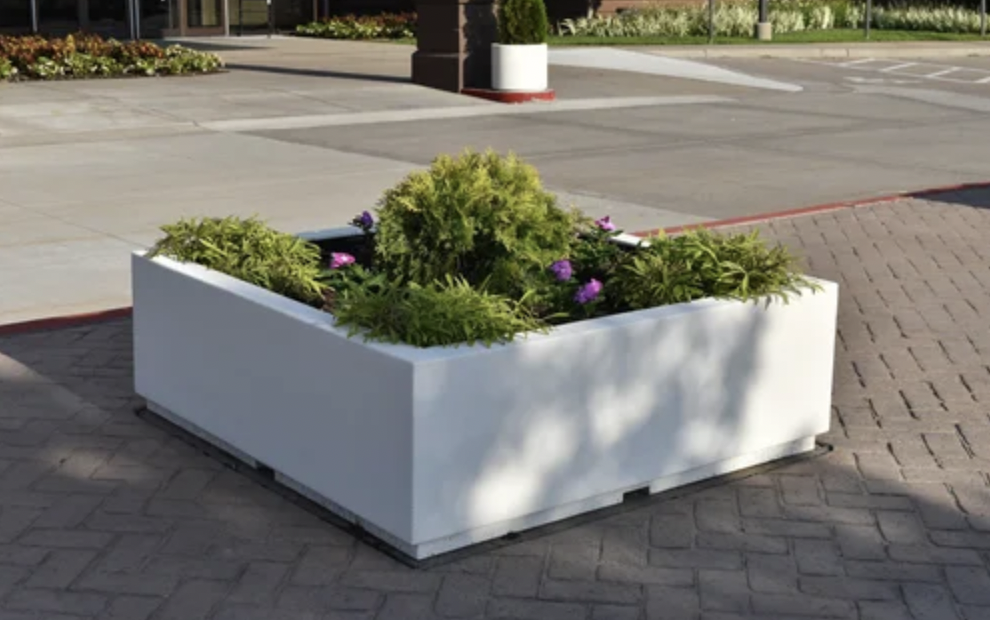
These changes help local businesses while providing safe, open areas for residents and summer tourists to enjoy. Within this system, modular planters are often used to guide pedestrian flow, create shade zones, and soften hard surfaces without deep foundations.
PolyMade notes that because these planters are lightweight and movable, they can be repositioned as crowds shift or removed before storms. That flexibility lowers damage risk and makes post-season cleanup easier.
The overall approach helps avoid overbuilding for short demand spikes and keeps long-term costs down. It also allows public spaces to respond to real pressure rather than assumptions.
Tourism today behaves differently than it did a few years ago. Travel demand is uneven, with domestic trips playing a larger role for many U.S. towns, especially during the summer months.
U.S. News reports that the United States recorded a 6% drop in foreign visitors in 2025. This decline happened even as global tourism spending increased by over 6.5% compared to the prior year. According to the World Travel and Tourism Council, over 1.5 billion travelers worldwide spent about $1.7 trillion on hotels, cruises, and flights.
The data points to a shift in where travel demand originates. At the same time, spending by domestic travelers helped offset the drop in foreign arrivals. According to U.S. News, the United States remained the world’s largest travel and tourism economy despite fewer overseas visitors.
This shift places increased pressure on local destinations to appeal to domestic travelers. Visitors are more selective about where they spend time. They favor places that feel comfortable, walkable, and easy to navigate, and public spaces directly influence these decisions.
Well-designed areas help manage crowd flow and reduce congestion during peak periods by spreading visitor activity across neighborhoods. Spreading visitor activity also lowers wear and improves safety. Spaces that adjust to changing visitor behavior help towns remain competitive as tourism continues to evolve.
Most towns already own large amounts of public land. Streets make up a major share of that space, yet they often serve only vehicles. During peak season, this creates congestion and limits pedestrian movement. Many cities are rethinking this balance.
Streetsblog explains that cities are reclaiming public space by extending sidewalks, adding temporary plazas, and repurposing curb space for seating and markets. These changes focus on health, equity, and everyday use, rather than treating streets only as traffic corridors or parking zones.
This people-first approach also aligns with broader traffic reduction strategies. The Conversation explains that Barcelona’s superblock model limits through traffic within defined zones and lowers vehicle speeds. The approach frees street space for walking, cycling, markets, and play.
The Conversations notes that Barcelona reduced speeds to about 10 km per hour inside superblocks, improving safety and public use. These changes allow streets to support both access and public life. During the summer, they help manage crowds.
Outside peak months, they return to lighter use. This dual role extends the value of existing infrastructure without major expansion. Reclaiming street space also improves safety and lowers maintenance stress over time.
Public spaces last longer when they grow through small, deliberate steps rather than large, fixed projects. Strong Towns emphasizes that places become more attractive when investment focuses on everyday use instead of landmark development. This approach reduces financial risk and allows communities to adjust based on how spaces actually perform.
The Strong Towns framework highlights incremental improvements such as better sidewalks, mixed-use streets, shaded seating, and small gathering areas. These changes are easier to maintain and easier to repeat. When something works, it can be expanded. When it doesn’t, it can be corrected without major cost.
Experts also stress that public spaces succeed when they help people connect. Streets that support walking, browsing, and casual interaction encourage visitors to slow down. This benefits local businesses and strengthens neighborhood activity throughout the year.
Rather than building for peak tourism alone, this incremental approach supports daily life first. Residents use the same spaces as visitors, which keeps them active outside peak seasons. Over time, this steady use improves safety, resilience, and economic stability.
Public spaces designed this way remain useful across seasons. They invite repeat visits because they feel practical, comfortable, and rooted in the community rather than built for one moment in time.
Cities can design year-round public spaces by planning for daily use, not just peak seasons. This includes weather protection, flexible layouts, durable surfaces, and easy maintenance. Successful spaces balance comfort, safety, and access so residents use them consistently, even when tourism slows.
Flexible public spaces help tourist towns respond to changing crowd sizes, events, and weather. Instead of rebuilding each season, adaptable layouts allow towns to manage demand efficiently. This reduces long-term costs, limits wear on infrastructure, and improves visitor experiences without disrupting daily community life.
Small towns can attract visitors by investing in authentic, human-scale improvements like walkable streets and public seating. Modern travelers value unique experiences that feel connected to the local community. By focusing on what makes the town special for residents, authorities can create a destination that invites repeat visits.
Public spaces in seasonal towns face constant pressure. Crowds, weather, and shifting travel habits test their limits every year.
Authorities can protect these spaces by choosing flexible designs, reclaiming existing land, and responding to real-use data. These choices reduce damage, lower costs, and improve daily experience.
When public spaces can adapt instead of fail, they stay useful year-round. That is what allows them to last well beyond summer.







