CNC programming is a key part of making things today. It is the bridge between a digital idea and a real, physical product. By using computer code to control machines, companies can make parts that are very accurate and consistent. Whether it is a small part for a phone or a large engine for an airplane, CNC programming makes it possible to turn raw materials into useful tools. This process helps manufacturers work faster and make fewer mistakes.
Computer Numerical Control (CNC) programming is important in modern CNC machining. It is the process of turning a digital design into a set of instructions that a machine can follow. Instead of just entering numbers, a programmer creates a digital plan for the entire cutting process. By using a specific code language, they tell the machine’s motors exactly where to move. This allows machines like lathes and mills to cut raw materials into complex parts with very high accuracy. The programmer acts as a bridge between the 3D model and the machine, deciding exactly how fast the tool should spin and which path it should take to ensure every part is made correctly.
Making a part with a CNC machine follows a clear, step-by-step process. First, an engineer creates a 3D model of the part using Computer-Aided Design (CAD) software. Next, that model is moved into Computer-Aided Manufacturing (CAM) software. In this stage, the programmer chooses the best tools and paths for cutting the specific material, such as aluminum or steel. The software then calculates the movements and creates a toolpath file. Finally, a "post-processor" converts that file into G-code, which is the specific language the machine tool understands. Once the G-code is loaded, the machine follows the instructions to create the physical part.
There are three main ways to create programs for CNC machines, depending on the job. Manual programming is the oldest method, where the operator types code directly into the machine. This requires a lot of experience and math skills, and while it is slow for complex parts, it is still useful for making quick changes on the shop floor. CAM software programming is the most common method today. It allows programmers to see a 2D or 3D simulation of the cutting process on a computer to catch mistakes before they happen. Conversational programming is a simpler option where the machine asks the operator questions—like the size of a hole or the depth of a cut—and then generates the code automatically. This is a great way to program simple parts quickly.
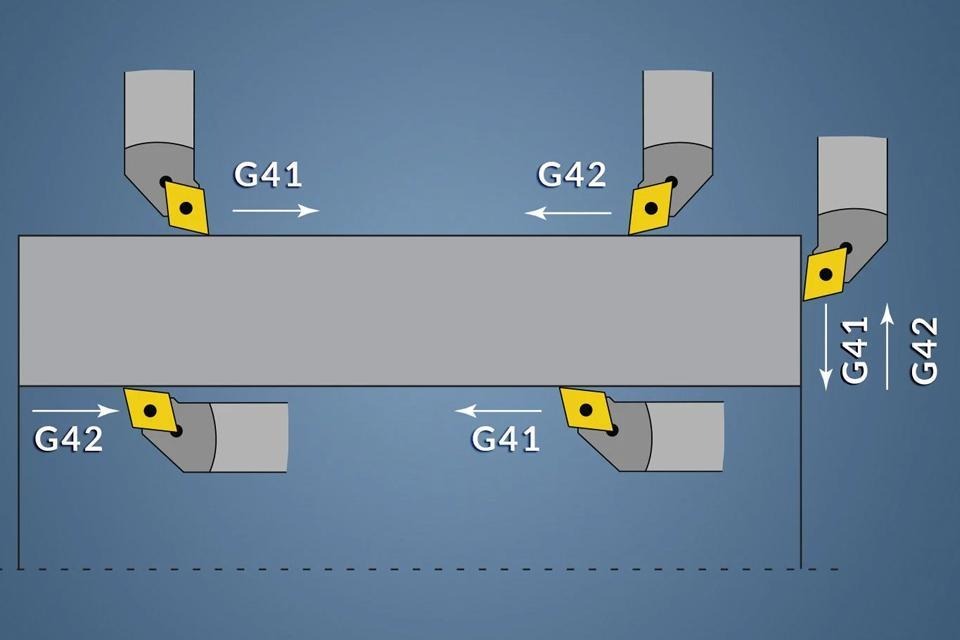
The "language" of a CNC machine is made up of different types of codes that work together. CNC G codes are the most important because they control movement, telling the tool to move in a straight line or a curve. To make the cutting efficient, F-codes set the feed rate (how fast the tool moves through the material) and S-codes set the spindle speed (how fast the tool spins). At the same time, M-codes handle machine functions that are not related to movement, such as turning on the cooling fluid or starting and stopping the spindle. Other codes, like T and D, help the machine identify which tool to use and adjust for any wear on the tool, ensuring the part stays within the correct size limits.
CNC programming is used in almost every industry that needs precise metal or plastic parts. In the medical field, it is used to make artificial joints and bone implants with very smooth surfaces so the body does not reject them. In aerospace, it is used to cut tough materials like titanium into engine blades and rocket parts that must survive extreme heat. The defense industry uses CNC machining to make sure every part for a vehicle or weapon is the same. Even in the energy sector, CNC machines cut the large, strong parts needed for wind turbines and engines. In all these cases, the program ensures the parts are strong, accurate, and reliable.
For a manufacturing company, choosing the right way to program is a business decision. It is about balancing cost, speed, and quality. For simple parts, using conversational programming or manual entry is often the cheapest and fastest way to get started. However, for very complex parts that need a perfect finish, investing in high-end CAM software and expert programmers is necessary. A good program can actually save money by making the part faster and helping the tools last longer. Companies must choose a method that meets their current needs while also being ready for newer, more automated technology in the future.
Established in 2009, LKprototype is a reliable platform that provides custom prototype parts for your needs. LKprototype specializes in high-precision CNC machining, vacuum casting services, small to medium batch injection molding, sheet metal fabrication, and 3D printing. Our wide range of capabilities and ISO-certified quality control system allows us to serve diverse industries across the globe, delivering quality products that meet stringent international standards.