
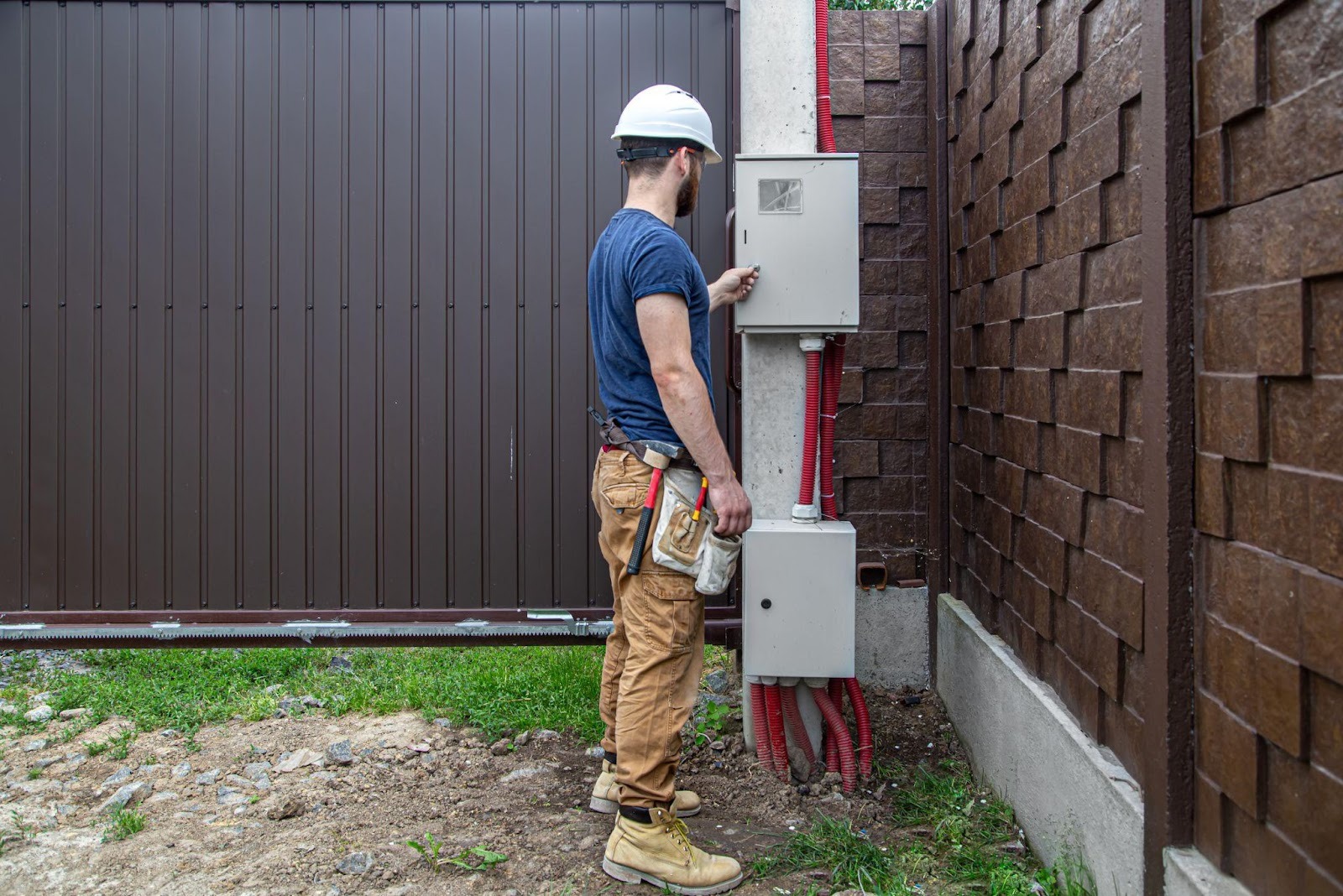
When organizations plan electrical, control, or monitoring systems, attention is often focused on the equipment itself—controllers, power units, sensors, or networking hardware. However, experienced professionals understand that the environment surrounding this equipment is just as important. Outdoor and wall-mounted enclosures play a crucial role in protecting systems, ensuring safety, and supporting long-term performance.
Rather than being treated as a final step, enclosure selection and planning should be part of the earliest design stages. Decisions made at this point directly affect installation quality, maintenance efficiency, and system reliability over time.
Why Enclosure Planning Begins at the Design Stage
Every electrical or electronic system operates within a physical environment that presents constant challenges. Temperature changes, moisture, dust, vibration, and human interaction all place stress on equipment. If these factors are not addressed early, even high-quality components may fail prematurely.
Outdoor and wall-mounted enclosures help define how systems interact with their surroundings. Proper planning ensures equipment remains protected, accessible, and compliant with safety standards throughout its operational life. This proactive approach reduces unplanned downtime and avoids costly retrofits later.
Evaluating Environmental Conditions Before Installation
Before selecting an enclosure, it is essential to evaluate the environment in which it will be installed. Outdoor locations often present unpredictable conditions, while indoor spaces may still pose risks related to dust, heat, or restricted airflow.
Key environmental factors to assess include:
· Temperature extremes and daily fluctuations
· Exposure to rain, snow, or humidity
· Presence of dust, chemicals, or airborne particles
· Risk of physical impact or vibration
Understanding these conditions helps ensure the enclosure provides the appropriate level of protection from day one.
Selecting the Right Location for Outdoor Enclosures
Outdoor enclosures must be positioned carefully to maximize protection and serviceability. Poor placement can expose equipment to unnecessary risks, even if the enclosure itself is well designed.
Best practices include:
· Avoiding direct, prolonged exposure to sunlight when possible
· Positioning enclosures away from flood-prone or low-lying areas
· Protecting enclosures from vehicle traffic or heavy machinery
· Considering ease of access for maintenance personnel
Small placement adjustments can significantly extend enclosure lifespan and reduce maintenance requirements.
Wall-Mounted Enclosures and Safe Accessibility
Wall-mounted enclosures are widely used due to their space-saving design and ease of integration. However, improper mounting height or location can create safety hazards and complicate servicing.
Effective wall-mounted installation considers:
· Comfortable access height for routine inspection
· Clearance for door swing and component removal
· Adequate spacing for ventilation and cable entry
When accessibility is prioritized, technicians can work more efficiently and safely, reducing service time and operational disruption.
Installation Quality and Structural Integrity
Even the strongest enclosure can underperform if installation quality is poor. Secure mounting and correct sealing are essential to maintaining environmental protection.
Critical installation considerations include:
· Using appropriate anchors and fasteners for wall or surface type
· Ensuring mounting surfaces are level and stable
· Preserving gasket integrity during installation
· Properly sealing cable entry points
Attention to these details helps maintain enclosure performance over the long term.
Environmental Sealing and Protection Performance
Sealing is one of the most important aspects of enclosure performance. Moisture and dust ingress often occur at weak points such as doors, joints, and cable entries.
High-quality enclosures feature:
· Durable door gaskets
· Reliable locking and compression systems
· Properly designed cable glands
· Protected ventilation solutions
Solutions like Outdoor & Wall-Mounted Enclosures are engineered to maintain consistent protection even after repeated access and servicing.
Internal Layout and Cable Management
Internal organization directly affects both performance and serviceability. Poor cable routing can restrict airflow, increase heat buildup, and make troubleshooting difficult.
Effective internal layout strategies include:
· Separating power and signal wiring
· Maintaining clear airflow paths
· Using structured mounting rails and cable channels
· Allowing space for future expansion
A well-organized enclosure interior improves reliability and reduces the risk of accidental damage during maintenance.
Managing Heat Throughout the System Lifecycle
Thermal management is not a one-time consideration. As systems expand or operating loads increase, heat generation may rise beyond original expectations.
Planning for long-term thermal performance includes:
· Selecting enclosure materials with appropriate thermal properties
· Allowing space for additional cooling components
· Monitoring temperature changes after system upgrades
By planning ahead, organizations can avoid overheating issues that lead to component failure.
Maintenance Access and Service Efficiency
Ease of maintenance is one of the most valuable features of a well-designed enclosure. When access is limited or awkward, service tasks take longer and safety risks increase.
Service-friendly enclosures offer:
· Hinged doors with secure closures
· Clear internal visibility
· Removable panels for component access
· Logical internal layouts
Over time, these features contribute to lower maintenance costs and improved system uptime.
Supporting Safety and Regulatory Compliance
Enclosures also play a key role in workplace safety. Proper grounding, secure locking systems, and controlled access help protect both equipment and personnel.
In public or shared environments, outdoor and wall-mounted enclosures prevent unauthorized access to live components, reducing the risk of accidents and liability concerns.
Industry-Specific Performance Requirements
Different industries place unique demands on enclosure systems:
Industrial Environments
Require resistance to vibration, dust, and continuous operation.
Utilities and Infrastructure
Demand high reliability and long service life due to critical system roles.
Commercial Facilities
Often prioritize aesthetics alongside protection and noise control.
Flexible solutions such as Outdoor & Wall-Mounted Enclosures support these varied requirements without compromising performance.
Manufacturing Quality and Trusted Engineering
Long-term enclosure reliability depends on manufacturing quality. Precision fabrication, durable finishes, and consistent quality control ensure enclosures perform as intended in real-world conditions.
Many professionals rely on Eabel.com for enclosure solutions designed to address practical installation challenges and long-term operational demands.
Planning for Future System Expansion
Technology evolves continuously, and enclosure systems must adapt. Planning for expansion at the outset helps avoid unnecessary replacements.
Future-ready planning includes:
· Selecting enclosures with extra internal capacity
· Using modular mounting systems
· Reserving space for additional cable entry points
This approach supports scalability while controlling long-term costs.
Conclusion
Outdoor and wall-mounted enclosures are a critical component of reliable system design. When planning, installation, and long-term performance considerations are addressed together, enclosures become a foundation for safety, efficiency, and durability.
By carefully evaluating environmental conditions, installation practices, internal layout, and future needs, organizations can ensure their enclosure solutions continue to perform effectively for years. Thoughtful enclosure planning protects not only equipment, but also the people and processes that depend on it.







