A hotel can feel like a small city during peak season. Every corridor hums with movement, housekeeping carts glide in and out of rooms, and front desk staff juggle check-ins while the lobby fills with travelers from every direction. With so much activity happening at once, maintaining cleanliness becomes more than a routine task. It becomes the foundation of guest comfort, reputation, and overall operational efficiency. High occupancy periods test the strength of hotel systems, training, and teamwork in ways normal days simply do not. Yet the hotels that consistently deliver spotless stays during their busiest weeks often rely on thoughtful systems, smart communication, and a deep respect for the guest experience.
Below is a comprehensive look at how hotels maintain high cleanliness standards even when occupancy stretches every department to its limit.
The Guest Experience Starts Before They Reach Their Room
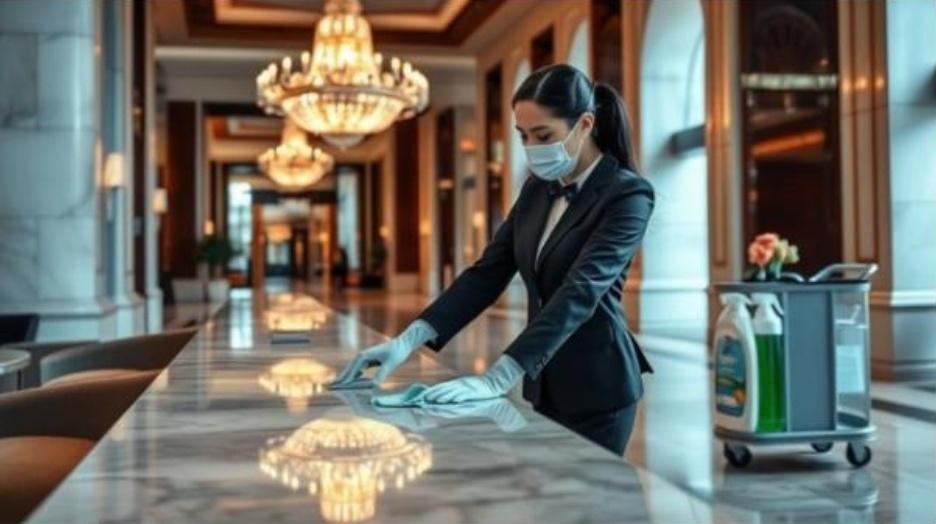
A guest forms an opinion long before they place their bags on the luggage rack. The lobby, reception desk, lounge seating, and public restrooms serve as the first chapter in their experience. Hotels that thrive during high occupancy understand that these common spaces must remain impeccable throughout the day.
More foot traffic leads to faster wear on surfaces. Fingerprints appear more frequently on glass doors. Carpeted areas collect debris more quickly. Trash bins fill faster than usual. To stay ahead, hotels schedule more frequent sweeps of public zones. Instead of hourly
checks, cleaning teams monitor these spaces at tighter intervals. This ensures that guests entering at peak times never feel like they arrived moments after chaos passed through.
Many properties also rely on bulk solutions for hygiene and maintenance needs because high occupancy demands consistent replenishment. When supplies run low during peak hours, even well-planned cleaning routines begin to suffer. Stocking products in bulk ensures that teams never fall behind due to missing essentials, which keeps the entire hotel environment feeling polished and ready for guests.
Small touches make a difference too. A neatly arranged stack of brochures, a polished reception counter, and a fresh scent in the lobby communicate preparation and care. These details tell guests that the hotel is running smoothly, no matter how busy things look from the outside.
Housekeeping Becomes a Carefully Orchestrated Operation
When occupancy is high, housekeeping transforms into a high-tempo workflow where timing and coordination shape the entire day. Cleaners must balance speed with thoroughness while maintaining the calm, professional demeanor guests expect.
Prioritization Creates Efficiency
Hotels categorize rooms based on urgency. Check-outs take priority because they need to be prepared for incoming guests. Stay-over rooms follow, though these may require lighter maintenance unless a guest requests full service. Suites and premium rooms often receive specialized attention first, given their higher expectations and pricing tiers.
This structure prevents confusion and keeps the housekeeping team synchronized with front desk operations. When everyone follows a shared system, the risk of delays drops significantly.
Smart Tools Multiply Productivity
Modern hotels rely on digital housekeeping apps that update room statuses in real time. As soon as a guest checks out, the housekeeper receives a notification. Rooms move instantly from “occupied” to “ready for cleaning,” saving valuable minutes that might otherwise be lost in communication gaps.
These apps also track cleaning times, supply levels, and team availability. Managers use this data to anticipate bottlenecks and prevent last-minute scrambles.
Standardized Checklists Ensure Consistency
A well-designed checklist is the backbone of consistent cleanliness. It guides housekeepers through every step, from removing used linens to inspecting remote controls. High occupancy increases the chances of missing tiny details, but a checklist brings structure to a fast-paced workflow.
Even items that seem minor, like wiping the luggage rack or dusting picture frames, can shape a guest’s impression. Hotels that prioritize these details rarely see their cleanliness scores drop during peak periods.
Adaptable Staffing Models Support Heavy Guest Loads
A hotel’s ability to maintain sparkling cleanliness during full occupancy depends heavily on staffing decisions. Successful properties adopt flexible staffing plans that adjust based on projected demand.
Seasonal and On-Call Workers Strengthen the Core Team
Hotels often build a roster of trained part-timers who can step in during peak seasons. This helps prevent burnout among full-time staff and maintains a steady service level throughout the day. These additional hands handle tasks like corridor cleaning, linen delivery, pool area upkeep, or public restroom monitoring.
Even two extra team members on a shift can dramatically reduce pressure during high-traffic hours.
Cross-Training Creates Versatility
Some hotels teach staff members from other departments to support light housekeeping tasks when needed. A guest services associate might help tidy the lobby during a rush. A maintenance team member might assist with trash removal from common areas.
This does not replace professional housekeeping work, but it strengthens teamwork and prevents delays when the property is buzzing with activity.
Public Areas Require Constant Attention
Common spaces never stay quiet during full occupancy. Elevators open and close nonstop. Hallways echo with rolling luggage. Restaurants and lounges fill and empty repeatedly.
Hotels respond by creating rotating cleaning patrols. These staff members move continuously through the property, addressing spills, rearranging furniture, wiping high-touch surfaces, and restocking restroom amenities.
Even small routine tasks can influence the overall feel of the environment. A clean elevator button panel, a freshly mopped tile floor, or a spotless breakfast counter reinforces trust in the hotel’s hygiene standards. Guests rarely notice these tasks as they happen, yet they always notice when they are missing.
Communication Shapes Cleanliness Outcomes
High occupancy leaves little room for miscommunication. A delay in room status updates, a missed note about a maintenance issue, or a misunderstood guest request can disrupt the entire workflow and ultimately lead to a bad experience for the guest.
Daily Briefings Align Teams
Morning or shift-change briefings help departments stay aligned. Housekeeping supervisors share the expected number of check-outs; maintenance highlights any urgent repairs, and the front desk updates the team on VIP arrivals or special requests. This ten-minute conversation can save hours of confusion later in the day.
Clear Guest Communication Reduces Last-Minute Pressure
Hotels also communicate proactively with guests. For example, placing signs that invite guests to request fresh linens only when needed helps reduce unnecessary laundry loads. Informing guests about optimal housekeeping hours prevents hallway congestion and improves cleaning efficiency. These small communication choices keep operations flowing smoothly during busy periods.
Guest Satisfaction and Cleanliness Are Deeply Connected
Cleanliness plays a major role in guest reviews. Many guests forgive small delays at check-in, but very few overlook a missed trash can or dusty shelf. Hotels that maintain exceptional cleanliness during their busiest periods build powerful guest loyalty. They also benefit from better online ratings, which reinforce future demand.
A clean property communicates discipline and respect. It reassures guests that the hotel takes both comfort and safety seriously. This matters more than ever in a world where guests share their experiences instantly across social platforms.
Conclusion
High occupancy does not have to compromise cleanliness. Hotels that excel during busy seasons do so because they treat cleanliness as an active, continuous process rather than a reactive task. Their systems are flexible, their teams are well-trained, and their communication is consistent. From public spaces to private rooms, every corner receives attention that reflects genuine care for the guest's experience. When a hotel succeeds at this, guests feel it immediately. They settle into their rooms with confidence, enjoy the shared spaces comfortably, and leave with the sense that the hotel handled its busiest days with grace and intention.