The layout of a modern gaming floor tells a clear story about player preference. While flashing lights and digital displays vie for attention on the perimeter, the center of the room almost always belongs to one game.
American Blackjack dictates the atmosphere of the pit with a rhythm that is distinct from its European or Asian counterparts. The specific procedural mechanics of the American ruleset create a pacing that aligns perfectly with what players expect from a table game experience.
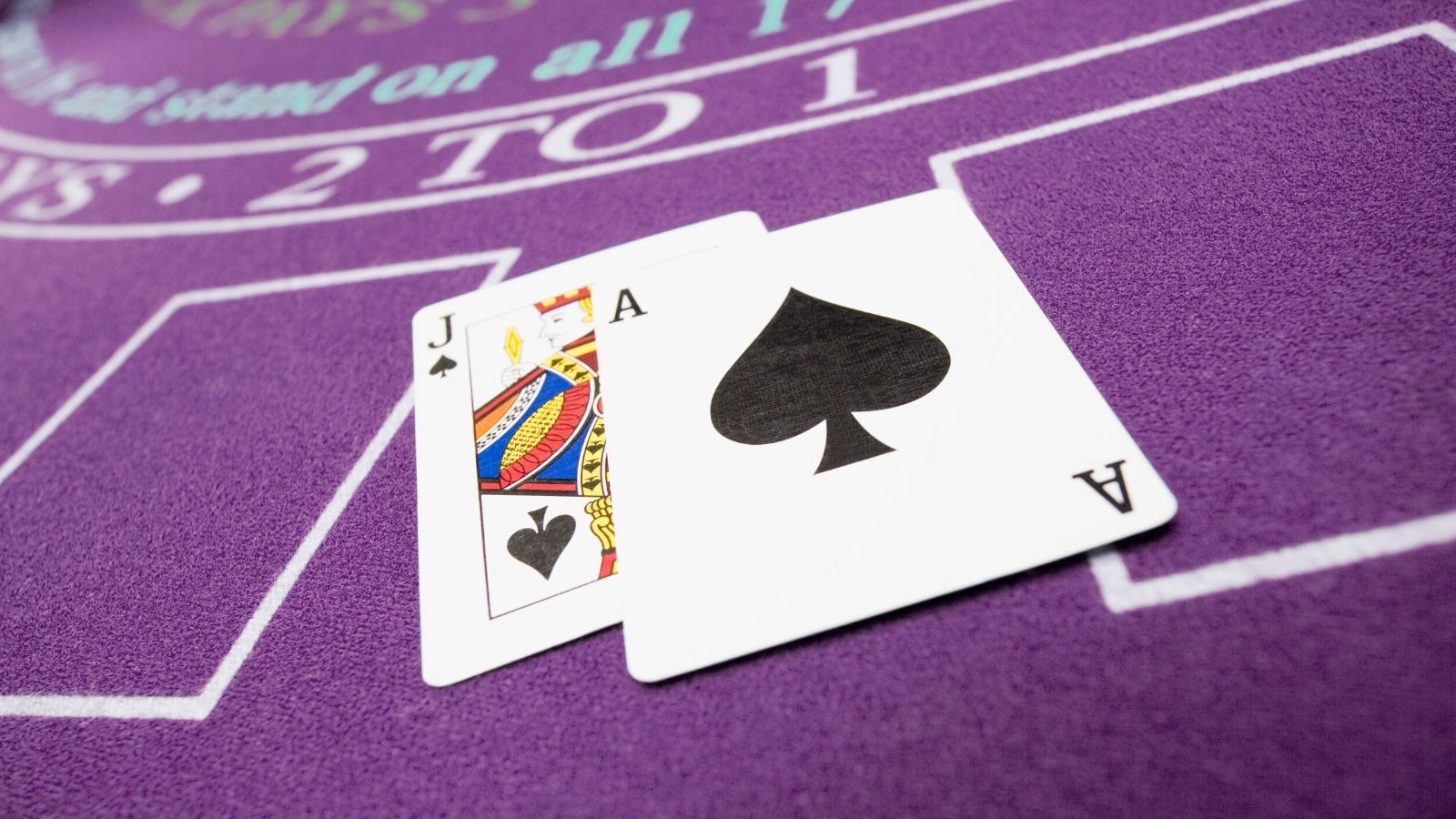
The defining feature of American Blackjack is the hole card. It seems like a minor procedural detail. The dealer receives one card face up and one face down before the players act. If the face-up card is an Ace or a ten-value card, the dealer checks for a natural blackjack immediately.
This fundamentally alters the flow of the game. In European variations, the dealer usually takes their second card only after all players have finished their hands. This can lead to a deflating experience where a player executes a perfect strategy, doubling down and splitting pairs, only to find out minutes later that the dealer had a blackjack all along.
The American rule respects the player’s time. It resolves the tension early. If the dealer has the winning hand, the round ends instantly. There is no wasted motion. It creates a cleaner loop of engagement. The table moves faster. Everyone appreciates a game that knows when to cut to the chase.
Beyond the hole card, the American variation generally offers a more liberal set of options for the player. The ability to double down on any two cards is standard in most US-based games. Compare this to other versions where doubling is restricted to totals of 9, 10, or 11.
These restrictions in other variations can make the game feel stiff. American Blackjack feels loose. It allows for more creative play. When you are sitting at the table, being able to double down on a soft 19 might not be the textbook play every time, but having the option makes the game feel more open.
Players generally prefer an environment where they have more agency. Even if the math behind the game remains rigorous, the perception of control is higher when the rules don't handcuff your decisions. It is about the feeling of possibility.
This preference has migrated seamlessly to the online space. When studios design live dealer environments, they overwhelmingly favor the American ruleset. It translates better to a screen. The pacing is snappier. The interaction with the dealer checking the hole card adds a beat of suspense that works well on camera.
Digital platforms understand this localized preference well. When you look at catalogs on sites like Betinia for NJ players, the live dealer lobby is usually anchored by American tables. The interface is designed to replicate that specific Atlantic City rhythm. The cameras are positioned to capture the peek at the hole card. It is a piece of theater that has become essential to the digital broadcast.
The entertainment value of a table game often comes down to beats per minute. A round of American Blackjack has a distinct staccato rhythm. Deal. Check. Action. Pay.
There is very little downtime. This keeps the energy at the table high. In a live setting, this prevents the atmosphere from becoming stagnant. A slow game drains the energy from the room. A fast game feeds it.
The social aspect relies on this speed. When the table is moving, the camaraderie builds. High-fives happen in the moments between the shuffle and the deal. If the procedural rules drag the game out, that social glue dissolves. The American ruleset is optimized for social momentum.
There is also the visual language of the table itself. The layout is familiar. The placement of the betting circle, the shoe, and the discard tray creates a recognized stage.
There is a comfort in this standardization. A player can walk into a casino in Las Vegas, Atlantic City, or log into a stream from a studio in Europe, and if it is an American Blackjack table, they know exactly what to do. There is no learning curve.
This standardization acts as a welcome mat. It removes friction. In an entertainment landscape where attention spans are short, removing the need to learn new rules is a massive advantage. The game remains the king of the pit because it is the most frictionless experience available. It delivers the highs, the lows, and the social connection without getting in its own way.