
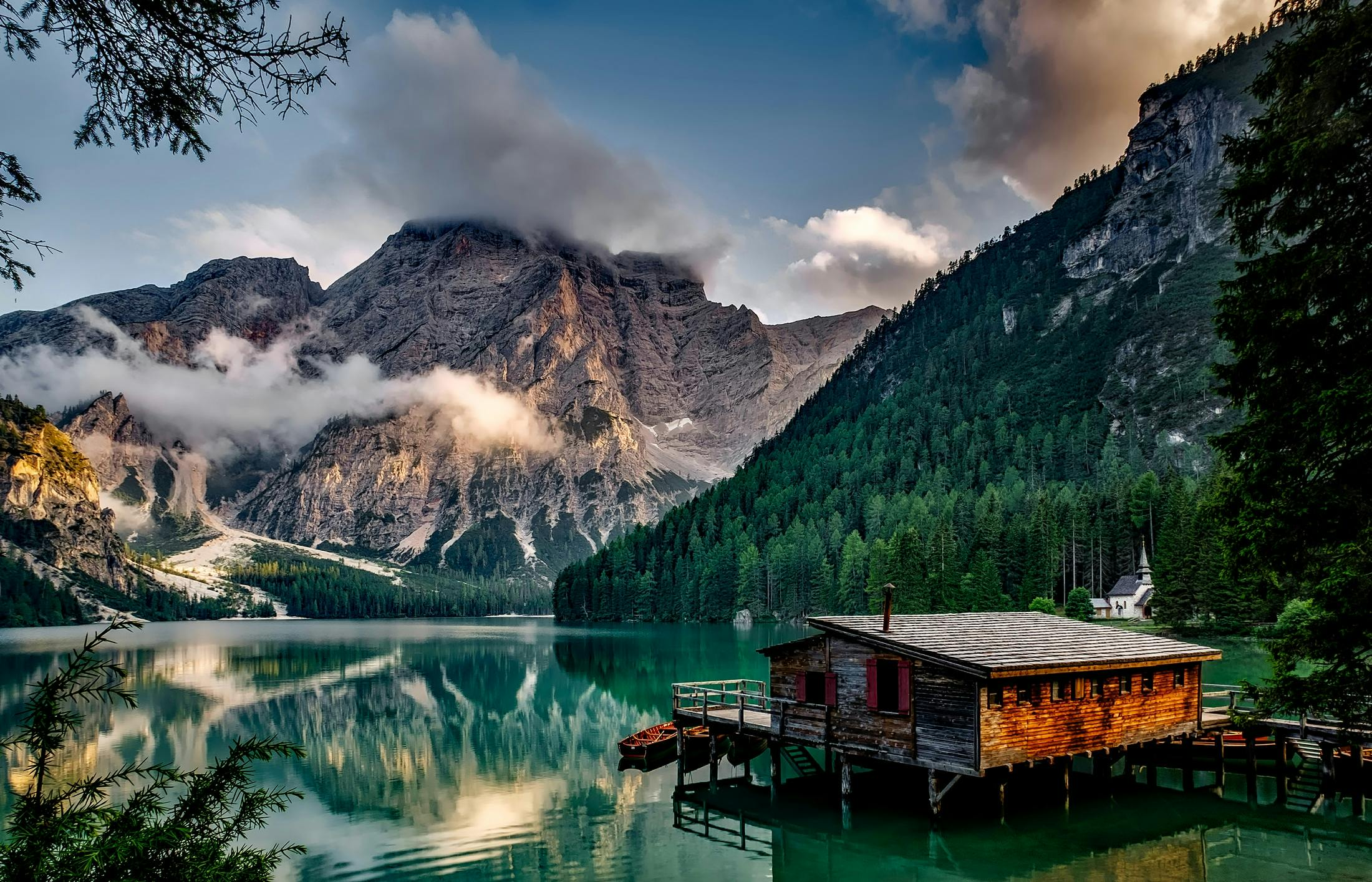
Travel preferences are steadily shifting as more people seek calm, space, and meaningful experiences away from crowded destinations. Instead of busy cities and packed resorts, travelers are choosing locations that offer natural beauty and a slower pace. Quiet surroundings and scenic views now play a major role in travel decisions. Easy access to outdoor activities is especially appealing to travelers looking to relax and recharge.
A good example is Copper Mountain, which strongly appeals to snow lovers and skiing enthusiasts. As one of the most popular skiing destinations, booking lodging near Copper Mountain, Colorado, is highly recommended.
Frisco Inn on Galena highlights Copper Mountain as a diverse winter destination for all skill levels. Families also find plenty to enjoy beyond the slopes.
In this article, we’ll explore why quiet and scenic getaways are becoming the preferred choice for modern travelers.
Travel mindsets are evolving as people seek relief from fast-paced and demanding lifestyles. Many travelers now value rest, quiet, and emotional balance over busy sightseeing schedules.
A BBC report notes that “quietcations,” also called “hushpitality”, are gaining popularity. This trend focuses on comfort, silence, and escaping the ongoing pressures of modern life. Travelers increasingly see vacations as a way to recharge rather than stay constantly active.
The same report highlights a move away from overcrowded tourist hotspots. Interest is growing in off-grid and lesser-known destinations that offer calm surroundings. Places such as Toledo in Spain and Brandenburg in Germany are gaining attention.
Even more adventurous travelers are exploring unconventional destinations. This shift reflects a broader desire for slower, more meaningful travel experiences.
Travelers are increasingly choosing destinations that offer natural beauty, open spaces, and quieter environments. Forests, mountains, national parks, and scenic reserves are now central to many travel plans. This shift reflects a growing desire to disconnect from crowded cities and reconnect with nature.
According to Markets Reports World, the nature-based tourism market was valued at USD 11.56 million in 2024. It is projected to reach USD 23.05 million by 2033. Globally, more than 980 million travelers booked nature-focused trips. National parks and reserves welcomed over 460 million visitors worldwide. The top 25 parks alone attracted nearly 140 million visitors.
These figures highlight the rising appeal of peaceful, nature-driven travel experiences.
Many travelers now prefer relaxed stays that feel welcoming rather than expensive, high-end resorts. Quiet locations, simple amenities, and personal space have become more appealing than crowded tourist hotspots. This change reflects a desire to reduce stress and enjoy travel at a slower pace.
Smaller accommodations, scenic surroundings, and practical comforts often provide a more satisfying experience. Travelers value flexibility, calm atmospheres, and places that feel authentic. Instead of luxury defined by excess, comfort is now measured by peace, convenience, and the ability to truly unwind.
This mindset continues to reshape how people choose destinations and plan their getaways.
Remote and hybrid work models are changing how people plan and experience travel. Flexible schedules allow travelers to take longer trips without rushing. Many now blend work and leisure into a single journey. Quiet and scenic destinations are especially appealing for this lifestyle. These locations offer calm environments and fewer distractions.
According to the 2024 Spring Global Rescue Traveler Sentiment and Safety Survey, travel motivation is rising. The survey found that 59 percent of experienced travelers feel remote or hybrid work encourages more travel. This influence extends to friends and family as well.
As a result, travelers are choosing peaceful locations that support both productivity and relaxation. This shift continues to shape modern travel preferences.
Wellness and mental well-being now play a major role in how people choose travel destinations. Many travelers see vacations as a way to reset mentally. Quiet and scenic getaways support relaxation and emotional balance. Natural surroundings help people slow down and disconnect from daily pressures.
According to WebMD, traveling to new places can positively affect mental health. Travel may help people feel calmer and more refreshed. It also supports regular mental resets and improves focus. Creative thinking often increases when routines change. Travel has also been linked to lower stress levels. It can ease symptoms of anxiety and depression.
These benefits explain why peaceful destinations are becoming more attractive to modern travelers.
Travelers are showing stronger interest in destinations that offer space and calm. Smaller towns and nature-focused locations may see steady growth. Travel experiences will likely focus more on wellbeing and balance. Short, crowded trips may continue to lose appeal. Flexible travel planning could become more common.
Accommodations may prioritize comfort, simplicity, and peaceful surroundings. Local communities may benefit from more evenly distributed tourism. Sustainable travel practices could gain importance as well.
Overall, future travel is expected to feel slower, more intentional, and more meaningful for travelers seeking genuine experiences.
Quiet destinations are often more affordable than popular tourist hubs. Lower demand usually means cheaper accommodation and fewer extra costs. However, prices can vary depending on location, season, and available amenities, so travelers should always compare options before booking.
Yes, quiet getaways can be suitable for families with children. Many offer safe environments, open spaces, and family-friendly activities. Choosing destinations with nearby attractions and essential amenities helps ensure children stay engaged while parents enjoy a relaxed and peaceful trip.
Transportation access is very important when choosing scenic locations. Easy access reduces travel stress and saves time, especially for families or longer stays. Reliable roads, public transport, or nearby airports make remote destinations more convenient and enjoyable to explore.
The growing preference for quiet and scenic getaways reflects a deeper shift in how people view travel today. Travelers are prioritizing peace, well-being, and meaningful experiences over crowded schedules and busy destinations.
As this trend continues, travel is becoming more intentional, balanced, and focused on genuine enjoyment rather than excess.







