In our modern world, where more than 30 billion tons of non-renewable waste come from packaging industries, picking suitable materials goes beyond a simple decision. It becomes essential for building a circular economy. We know that just about 8.6% of this waste returns to the economy. The remaining amount loads up landfills and adds to environmental damage. Materials for packaging that come from fossil fuels do not break down. They worsen the situation. When firms select proper materials, they can reduce their environmental mark. At the same time, they can raise their brand's worth. This matches what buyers seek in products that are friendly to nature.
Packaging that lacks sustainability usually relies on single-use plastics and items that resist recycling. It brings major difficulties to the environment. Take single-use plastic bags, water bottles, multilayered plastics, polystyrene containers, individual plastic wraps, and blister packs as examples. They add greatly to pollution. These substances mainly derive from fossil fuels. They represent 39.6% of worldwide plastic needs in packaging. In the US by itself, packaging waste formed one-third of the 291.4 million tons created in 2018. A large portion of it ends up in landfills. There, it gives off poisonous gases that injure nearby people.
We observe the straightforward effects of such decisions in sectors like electronics, jewelry, and cosmetics. In these fields, usual packaging tends to favor expense over eco-friendliness. Still, other choices are out there to take over from these damaging picks. For single-use plastic bags, eco-friendly paper bags from FSC-certified recycled paper serve nicely. They decompose naturally and allow reuse. Plant-based compostable materials offer a solid stand-in for plastic water bottles. You can exchange multilayered plastics for mono-material setups or bio-based films. These ease the recycling process. Bagasse or PLA-based choices can stand in for polystyrene containers. Meanwhile, bulk packaging lessens the demand for individual wraps.
Circular packaging marks a change to substances that people can refill, recycle, or reuse again. In this way, it lengthens their useful life and cuts down on fresh raw material use. Linear setups typically conclude with trash. Circular methods, however, hold onto resources in action for the longest time feasible.
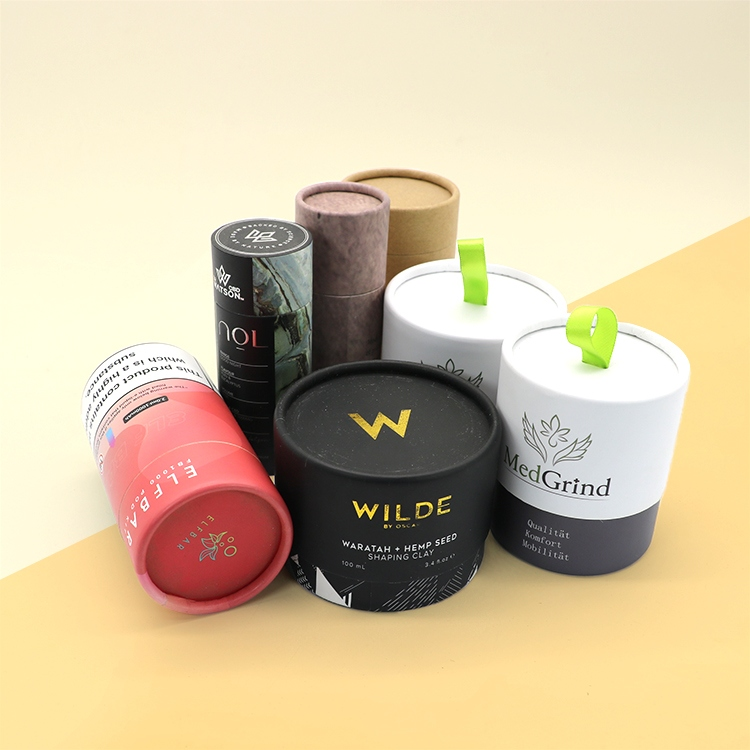
Circular packaging divides into three primary groups: recyclable, compostable, and reusable. Recyclable packaging, frequently based on paper, stands as the most common. Corrugated cardboard boxes provide one case. We create them as fully recyclable selections for shipping. They deliver toughness and money-saving benefits. Kraft folding cartons form another key part of our offerings. They consist of basic, rip-proof Kraft paper. This paper is recycled completely. It also appears in multiple shades.
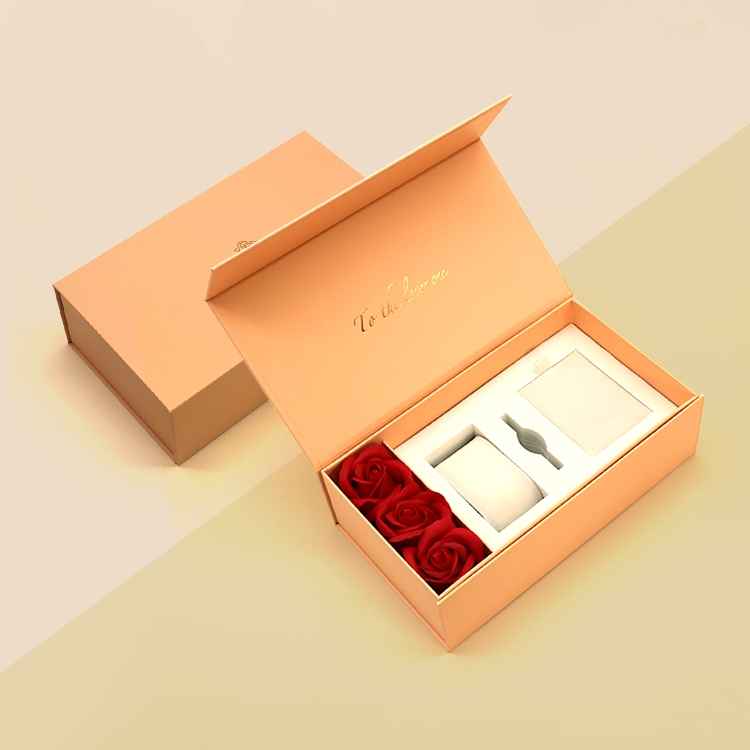
Reusable packaging boosts its lifespan through strong, durable materials. Our reusable bags, formed from jute, cotton, or bamboo, decompose naturally and are ideal for multiple uses. Collapsible or magnetic rigid boxes feature a firm build and secure magnetic fasteners, making them perfect for upscale goods such as watches or jewelry. These packaging solutions encourage repeated use, reduce waste, and reflect the sustainable innovation offered by FusionPKG packaging supplier.
Shifting to circular packaging brings varied gains for nature, companies, and shoppers. In terms of the environment, it shrinks waste and prolongs the life of materials. This checks the pull of untouched resources. Consequently, it results in fewer carbon outputs and less reliance on landfills. It shields natural systems from poisonous outflows.
Looking at business angles, sustainability holds importance. We at JERL Packaging aid customers in reaching this goal. We do so by trimming costs linked to substances, transport, and trash removal. Reusable and light builds assist here. As an illustration, our FSC-certified paper bags and boxes make the best use of resources. They lower outlays while fulfilling rules such as ISO9001.
Circular packaging offers a market advantage as well. Since 67% of shoppers fret over packaging's effect on the environment, companies that pick our nature-friendly answers pull in aware customers. This strengthens faithfulness and expands market share.
Furthermore, it guarantees lasting strength amid changing laws and patterns. By taking up circular setups, firms safeguard their work for the future. They promote fresh thinking in fields like AI-optimized substances and machine-driven output. We fold these in to supply effective, beneficial packaging.
Even though it offers upsides, putting circular packaging into practice meets obstacles. Expense acts as a chief block. Sustainable substances may cost more at the start. This discourages funds for research and development. That said, we address it with adaptable approaches. These cover no MOQ for regular goods and thrifty tailored fixes. We highlight enduring cuts from less trash.
Buyers' reluctance to cover extra costs used to pose a problem. But as millennials and Gen Z push needs, with 90% prepared to spend extra on sustainable items, directions have turned. Tech steps forward, such as our employment of biodegradable selections, render powerful answers within reach.
Leftovers from food in packaging muddle the recycling task. This frequently leads to landfill dumping. Efforts like reusable boxes, tried by certain eateries, guide our builds for simple washing and comeback setups.
Beating these calls for joint work. We link with customers to review wants, supply trial models, and apply complete quality watches. This assures easy moves to circular habits.
Picking the correct packaging material proves crucial in advancing circularity. It changes trash into assets and nurtures a lasting tomorrow. At JERL Packaging, we enable brands to take on recyclable and reusable picks that safeguard Earth while lifting worth. While hurdles appear, fresh developments and alliances render it doable. By placing circular packaging first, firms not only follow growing norms but also flourish in an eco-focused market.
A: Yes, we offer flexible services with no MOQ for standard eco-friendly items, supporting small batches and rapid shipping within 3 days.
A: Our four-step process includes communicating requirements, quoting and confirming, creating prototypes, and mass production after approval, with our design team assisting throughout.
A: For projects with clear intent, we provide free samples, though customers cover shipping; turnaround is 3-5 days.
A: Typically 7-15 working days after sample approval, depending on complexity and quantity.
A: Through full-process controls, from material inspection to 100% final checks, backed by ISO9001 and FSC certifications.
A: Yes, our professional team creates tailored designs based on your brand and product needs.
A: We hold ISO9001 for quality and FSC for sustainable forestry practices.
A: Absolutely, with advanced techniques like foiling, embossing, and UV coating on sustainable materials.