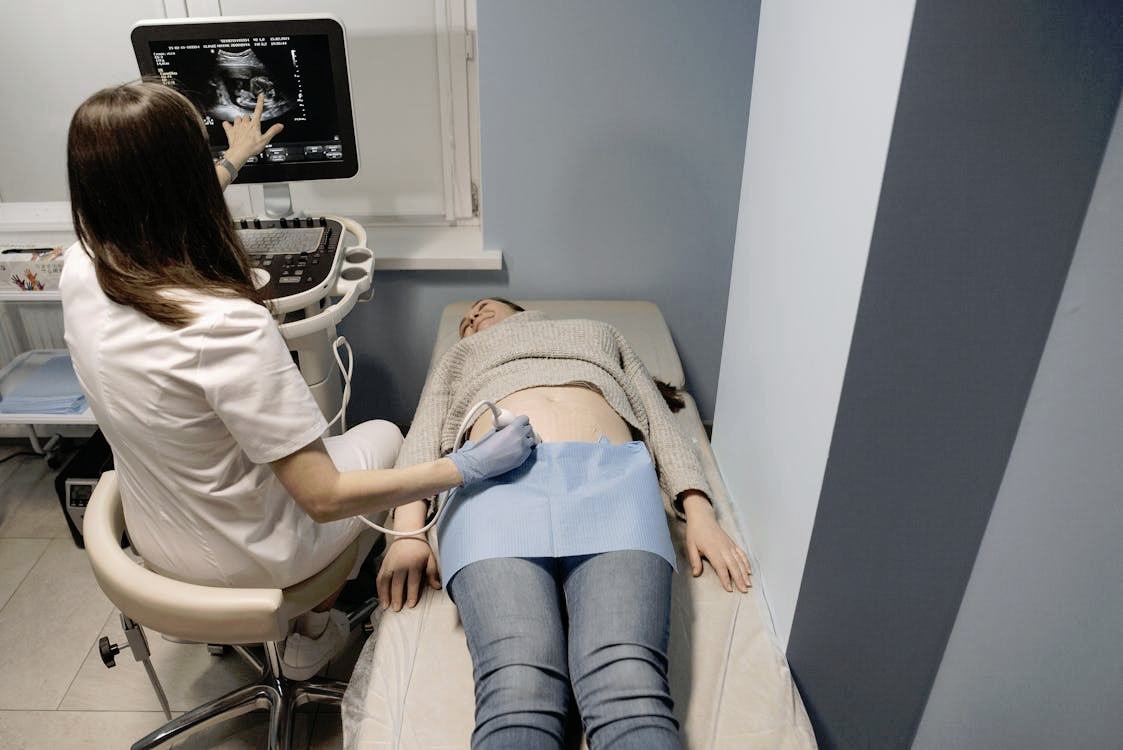
Diagnostic medical sonography is one of those fields that keeps quietly expanding while offering meaningful work, solid pay, and long term career stability.
As healthcare shifts toward more patient friendly and cost effective imaging, ultrasound is becoming a go to tool across hospitals, outpatient centers, and private clinics.
If you are exploring a career with strong growth and clear advancement paths, this one is worth a closer look.
Image Source: Pexels
Ultrasound technology is becoming more advanced, more portable, and more widely used. This means trained professionals are needed in more settings than ever. According to research by the Bureau of Labor Statistics, job demand for diagnostic medical sonographers continues to rise at a steady pace. The role is being shaped by a few major forces:
Healthcare providers rely on ultrasound for everything from routine prenatal care to cardiac evaluations and emergency diagnostics. As technology improves, it becomes even more useful.
An aging population increases the need for imaging that is safe, fast, and avoidant of ionizing radiation. Ultrasound fits that need perfectly.
In a study by O*NET, the occupation is listed as a Bright Outlook job thanks to breakthroughs in 3D imaging, portable units, and AI supported diagnostics.
The field offers a lot of flexibility, especially for those who want options beyond traditional hospital work. For those looking to advance, the modern ultrasound tech career path extends far beyond basic imaging, branching into specialized modalities, department management, and clinical education.
If you’re trying to understand where you might fit, here are a few helpful points:
As demand grows, so do opportunities for sonographers to carve out unique and rewarding career directions. According to insights from Health Guide USA, more outpatient care centers are adopting ultrasound services, which expands the variety of work settings available. This gives professionals more control over their schedules and long term growth.
Cardiac, vascular, musculoskeletal, and OB GYN sonography are all seeing strong growth. Some techs choose to work in multiple specialties, which increases job flexibility and income potential.
Experienced sonographers often transition into roles like supervisor, department lead, or clinical educator. These roles allow professionals to mentor newer techs, oversee imaging quality, or help implement new technology. In an age when leadership is going digital, it’s a step in the right direction.
Training programs today focus on real world experience, hands on scanning skills, and preparation for credentialing exams. This helps new techs enter the job market with confidence. Ultrasound roles continue to show strong national demand, making it a great field for long term career planning.
Whether you're just starting to explore healthcare or looking to switch paths, sonography offers a future that’s stable, flexible, and people oriented. If you want a career that grows with you, this field is a strong contender.