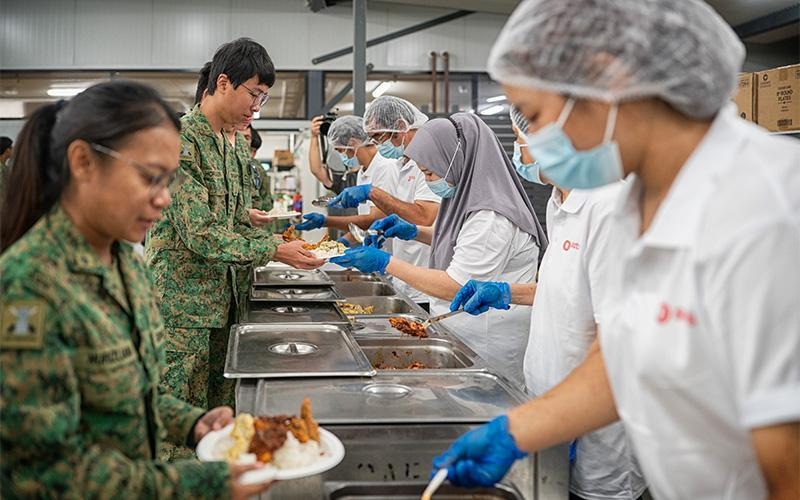
When people think about military operations, images of aircraft, vehicles, and strategic planning rooms usually come to mind. Yet every training exercise, deployment, and mission depends on one essential factor that cannot fail: reliable meals delivered at the right time and place.
Behind each soldier’s meal is a carefully coordinated system built to operate at scale and under pressure. Military food logistics must work across camps, training grounds, and field environments, often with limited infrastructure and changing conditions. Below, we take a closer look at how exactly this system works.
Planning for Scale and Mobility
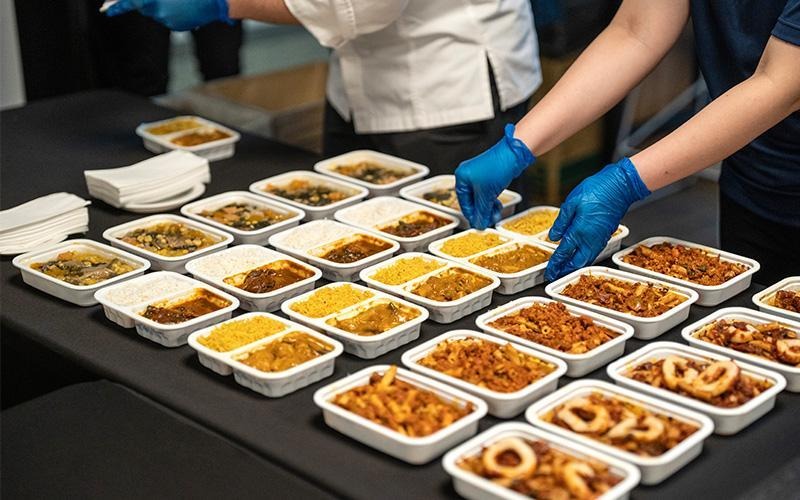
Military catering operations are designed to support thousands of personnel every day, often across multiple locations at once. For instance, some meals are produced in central kitchens serving permanent camps, while others are prepared or delivered to temporary training sites and field locations.
This requires careful planning long before any food is cooked. Key considerations include:
Flexibility is built into every stage so food services can continue smoothly, even when plans change at short notice.
Nutritional Strategy for Performance
Army food is developed with performance in mind. Soldiers face sustained physical demands, long hours, and high levels of mental focus. Nutrition planning supports these realities rather than treating meals as a simple comfort or routine.
Experts are invited to create balanced menus that deliver steady energy, muscle recovery, and hydration. Carbohydrates support endurance, proteins aid repair, and electrolytes help manage fatigue and heat stress. Consistency matters as well; meals must provide the same nutritional value regardless of where they are served, ensuring soldiers can rely on their food as part of daily readiness.
Supply Chain Coordination
Once meals are planned, delivery is the next challenge. Military food logistics depend on tightly coordinated supply chains that prioritize reliability and timing. Ingredients, packaged meals, and rations move through controlled channels designed to minimize disruption.
For overseas deployments or remote locations, the complexity increases. Transport routes, storage conditions, and regulatory requirements must all be considered, often across borders and time zones. Every link in the chain must work together so food arrives when needed, without compromise to safety or quality. Precise coordination is of utmost importance, keeping operations running smoothly and avoiding waste or shortages.
Temperature and Storage Management
Food safety remains critical in every environment, from humid tropical conditions to colder climates. Meals must stay safe and palatable throughout storage, transport, and handling.
This is achieved through careful packaging, preservation techniques, and strict temperature controls. For example, field rations are engineered for long shelf life, while bulk meals rely on efficient cold chain management and rapid distribution. Effective storage systems are also put in place to protect food quality while allowing flexibility in where and when meals are consumed.
Precision and Consistency in Delivery
From preparation to transport, military catering follows strict protocols. Recipes, portion sizes, hygiene protocols, and delivery schedules are carefully standardized to reduce unpredictability. This ensures that every soldier receives consistent nourishment, regardless of location.
Timing is just as important as quality. Meals must align with training routines and operational schedules. After all, delays can affect energy levels, focus, and morale. Every step is crucial for keeping the military dependable, even in demanding conditions where there is little room for error.
Why Food Logistics Matter as Much as Strategy
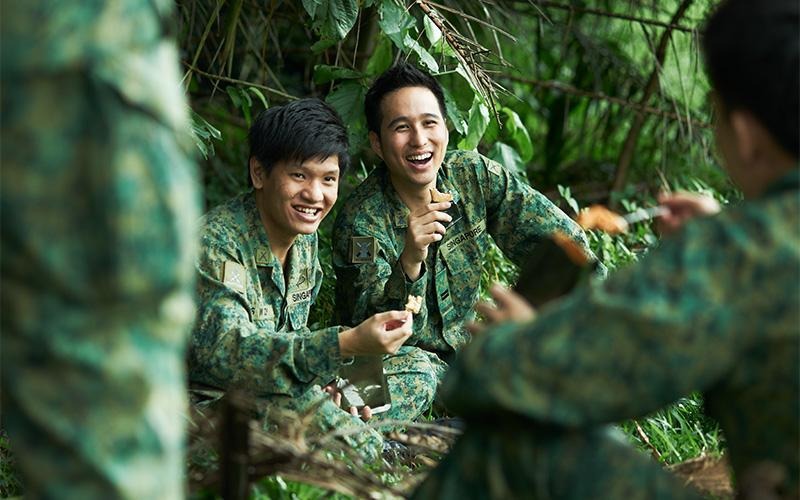
Food may operate behind the scenes, but its role in large-scale operations is fundamental. The logistics of feeding an army highlight how planning, nutrition expertise, and disciplined execution come together to support people on the ground.
With extensive experience in large-scale catering and logistics in the Asia Pacific, SATS supports operations where reliability and consistency matter most. To learn more about how integrated food and logistics expertise can support complex environments, get in touch and learn more about their capabilities today.