Getting rejected from a job hurts. Not just your pride, but something deeper. If you’ve been sending application after application only to hear nothing, or worse, receiving those carefully worded “we’ve decided to move forward with other candidates” emails, you know exactly what this feels like.
You’re not imagining it. Job rejection depression is real, and you’re far from alone.
72% of job seekers say the job hunt has negatively impacted their mental health, according to a 2024 survey from Resume Genius. In today’s ultra-competitive market, the emotional toll has reached “crisis levels.” Between extended timelines, constant rejections, and automated hiring systems, it’s no wonder people feel defeated.
This isn’t a problem you can “think positive” your way out of. But you can understand why it happens, recognize the signs, and learn strategies to protect your mental health while continuing your search.
We’re hardwired to seek approval. When you apply for a job, you’re not just submitting a resume. You’re putting your skills, your experience, your professional identity on the line. Every rejection feels like someone looked at who you are and said “not good enough.”
The numbers make this brutal. Research shows it takes just five rejection letters for most job seekers’ confidence to crumble. A third report says they've stopped looking altogether after too many rejections.
Here’s what you need to understand: the deck is stacked against you right now, and it’s not your fault.
If the job search feels impossible, it’s because the game has changed:
The average job opening receives about 180 applications. That means for every position, 179 qualified people get rejected regardless of skills. When one-click applications meet online job boards, rejection becomes the default for 99% of candidates.
Nearly 44% of job seekers say being ghosted is their top frustration. Over half of U.S. candidates were ghosted at some stage in the past year.
Worse, analyses in 2025 found 20-30% of job postings may never result in an actual hire. You’re not being rejected. You’re being ignored by phantom jobs that were never going to hire anyone.
Over half of companies now use AI-driven Applicant Tracking Systems. Large employers routinely discard an estimated 70% of resumes before a human ever looks at them. If your application lacks certain keywords, you’re out. No explanation.
It now takes companies 44 days to fill a role. For job seekers, total search time often extends to five or six months or more. Imagine going through multiple interview rounds, feeling hopeful, then getting rejected after two months.
Bad days happen to everyone. But watch for these warning signs:
→ Constant fatigue and low energy. You’re exhausted even when you haven’t been actively working. Writing another cover letter feels like climbing a mountain.
→ Avoidance and procrastination. You dread checking job boards or emails. You delay applying because the thought of another rejection makes your stomach hurt.
→ Difficulty concentrating. Applications that used to take an hour now stretch across an entire day because you can’t focus.
→ Mood changes. You’re irritable, easily frustrated, or emotionally numb. Little setbacks trigger big reactions.
→ Loss of interest. Activities you used to enjoy don’t appeal anymore.
→ Harsh self-talk. Your internal monologue has turned brutal. You constantly blame yourself or feel hopeless.
If several of these resonate, your mental health needs attention. Depression creates a vicious cycle where it makes job searching harder, and prolonged unemployment fuels deeper depression.
The good news? There are concrete steps to break that cycle.
Stop telling yourself to “toughen up.” Rejection stings, and pretending it doesn’t makes things worse. Name what you’re feeling. “I’m really disappointed.”“I feel angry that this fell through.”
Career experts note that job loss and long searches can evoke genuine grief-like emotions. Once you’ve acknowledged the sting, step away. Take a day or two to regroup. Go for a walk. Hit the gym. Dive into a hobby. These breaks help reset negative thought loops.
When a company has 200 applicants, 199 people will be rejected, no matter how qualified. Many rejections happen for reasons outside your control: an internal candidate was chosen, the role was put on hold, or you were one of several great finalists and it came down to a coin toss.
Try to view each “no” as getting one step closer to the right “yes.” Every interview you get, even if it doesn’t lead to an offer, is invaluable practice.
Treating the job hunt as a 24/7 endeavor leads to burnout. Set a reasonable schedule. Maybe 2-3 hours each weekday for focused tasks. After that, disconnect. Protect your evenings and weekends for rest, hobbies, and family.
Mute job-related notifications outside of “work” hours. When you give your brain regular breaks, you’ll approach the process with more focus and optimism.
Job hunting feels isolating, but don’t bear this burden alone. Reach out to friends and family. Simply talking through your frustrations can provide huge relief.
Consider joining a community of fellow job seekers: a meetup group, Slack community, or LinkedIn groups where people share tips and vent together.
If your depressive symptoms are severe, consider speaking to a professional. Asking for help is a sign of strength, not weakness.
If you made it to an interview but didn’t get the job, politely ask the hiring manager for feedback. One survey found 63% of applicants who asked for feedback said it helped them for future interviews.
Even without formal feedback, conduct a self-debrief. Did you tailor your resume enough? Could your answers have been more specific? Treat each rejection as an opportunity to sharpen your approach.
If 100 applications generated zero responses, the spray-and-pray approach isn’t working. Try targeting fewer roles but customizing your resume and cover letter deeply for each one.
Diversify how you search. Mix in networking. A personal referral can be worth more than hundreds of anonymous submissions.
Track your applications in a spreadsheet or job search tool. This keeps you organized and provides psychological benefits.
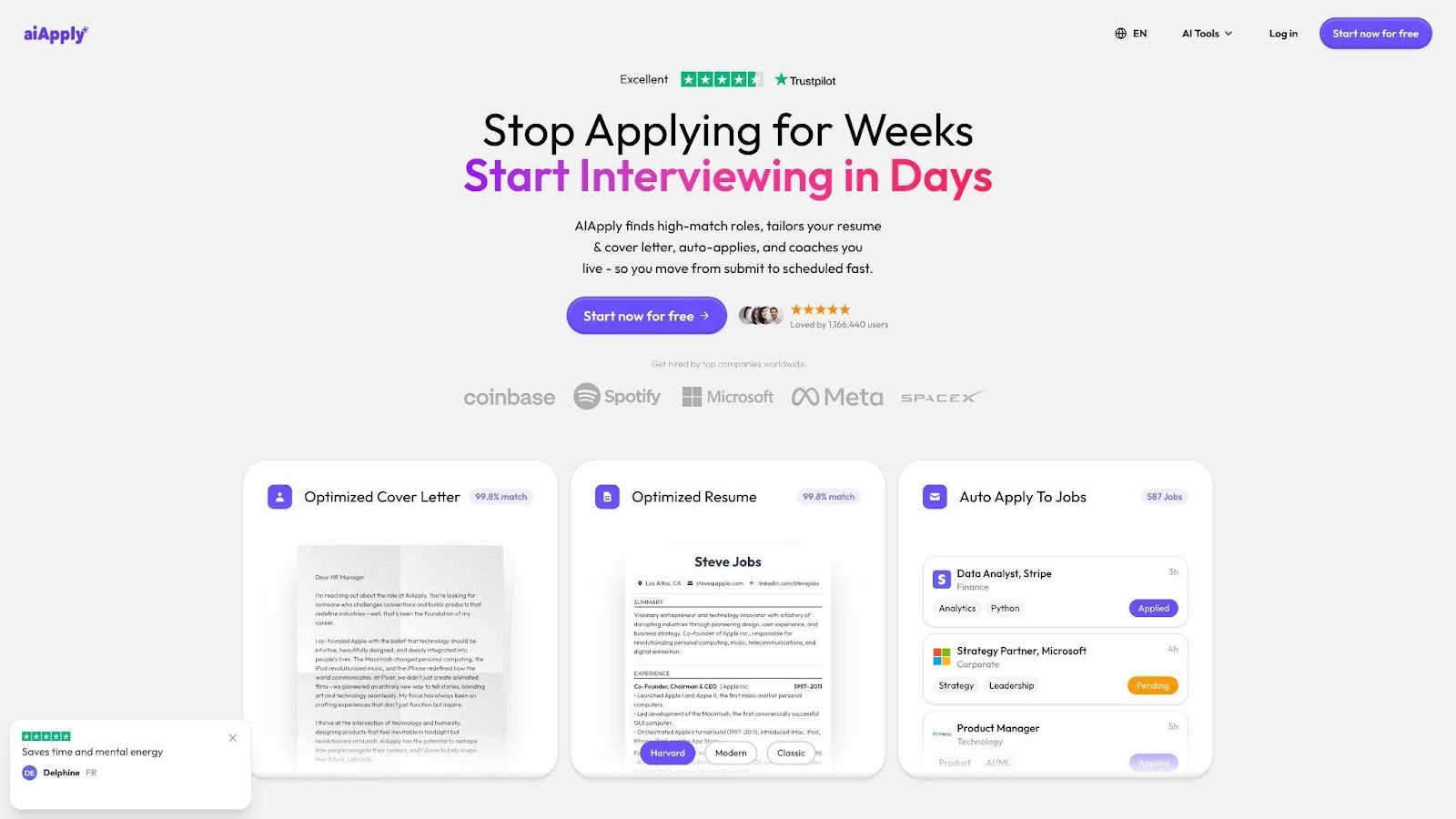
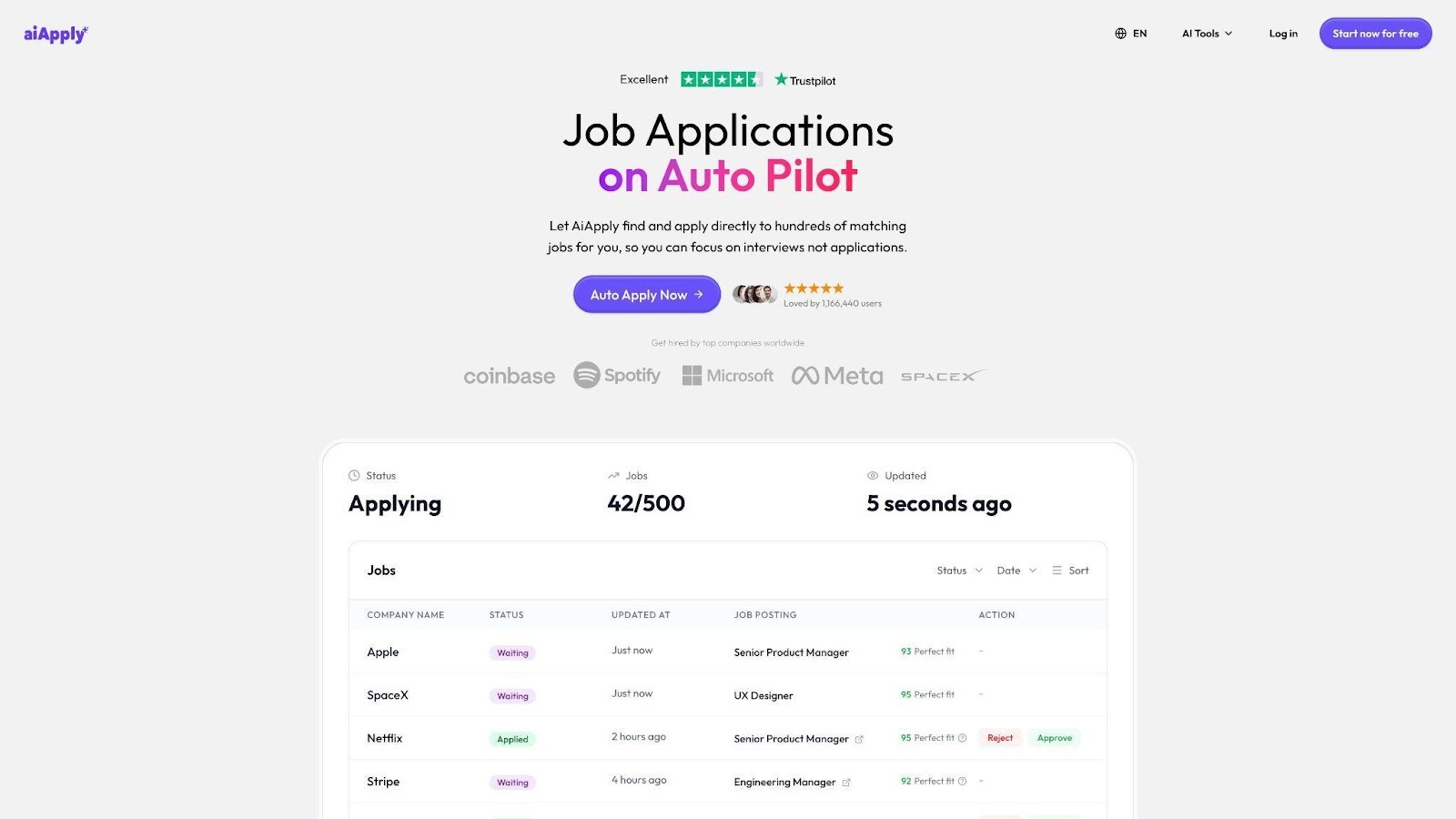
For job seekers feeling overwhelmed, AIApply offers AI-powered tools that can customize resumes and cover letters automatically, helping maintain quality while applying to more positions efficiently. Their AI Resume Builder creates tailored resumes in minutes, while the Auto Apply feature can submit hundreds of customized applications across their database of over 1 million job openings.
You’re allowed to enjoy life before landing that new position. Make time daily for at least one fulfilling activity unrelated to your job hunt.
Physical activity and sunlight help alleviate depressive feelings. Maintain your hobbies and social connections. They preserve your sense of identity and confidence.
Think of yourself as an athlete in training. You need to stay mentally and physically fit for the challenges ahead.
Recognize and reward small wins along the way:
• Finished a certification course or updated your portfolio? That’s an accomplishment.
• Got an interview invitation? That means your application stood out among hundreds.
• Improved your interview performance? That’s growth.
• Made a new professional contact? That’s expanding your network.
Consider keeping a job search journal. Celebrating small wins boosts your confidence and resilience, shifting your focus from outcomes to efforts (the part you can control).
If you’ve implemented coping strategies and still find yourself sinking deeper, it’s time to get professional help. Therapy can provide relief and tools tailored to your situation.
Important: If thoughts of self-harm arise, seek help immediately. Nothing is worth endangering your life.
Sometimes engaging a career coach can alleviate stress too. Your mental health is just as important as finding a job, and addressing one helps the other.
You’re not defined by your job search outcomes. In the thick of rejection after rejection, it’s hard to see clearly. But one day, this chapter will just be a story you tell.
Keep the faith that something will click, because statistically, it will, as long as you keep going. Most successful hires applied to over 10 jobs and endured multiple rejections before landing their position.
Learn and adapt from each experience. Maintain balance so a career setback doesn’t consume your whole identity.
Finally, maintain evidence-based optimism: people do get hired. Companies are filling roles daily. You have talents employers need, even if you haven’t met the right match yet.
One of these days, the phone will ring or the email will arrive with good news. Until then, take it one day at a time. Celebrate each small victory, treat yourself with the same kindness you’d offer a friend, and keep moving forward.
You are worthy. You are capable. A rejection (or twenty) doesn’t change that.
What is job rejection depression?
Job rejection depression describes the depressed mood, loss of confidence, and anxiety following ongoing job search setbacks. Symptoms include constant fatigue, difficulty concentrating, mood changes, avoidance behaviors, and harsh self-talk.
How many job rejections are normal before getting hired?
Most successful hires applied to over 10 jobs and faced multiple rejections before landing a position. In today’s market, with 180 applications per job opening, rejection is statistically normal. Some job seekers apply to 50-100 positions before receiving an offer.
How do I stop taking job rejection personally?
Remember that with 200 applicants for one role, 199 qualified people will be rejected regardless of their abilities. Rejections happen for reasons outside your control: internal candidates, budget freezes, timing issues, or simply being one of many great finalists. Focus on what you can control (improving your skills, refining your approach) rather than outcomes.
Should I take a break from job searching if I’m feeling depressed?
Yes, taking strategic breaks is healthy and often necessary. After a particularly painful rejection, give yourself a day or two to regroup. Set boundaries on your job search (2-3 hours daily instead of constant searching) to prevent burnout. If you’re experiencing severe depression symptoms, take time to address your mental health first.
What resources are available for job seekers struggling with mental health?
Several resources can help: therapists specializing in career transitions, job seeker support groups, career coaches, crisis hotlines, and online communities. Tools like AIApply’s job search platform can reduce the overwhelming workload of applications, easing stress and anxiety.
How long does job search depression typically last?
Job search depression often correlates with the length of the job search itself. With average search times extending to 5-6 months in 2025, many job seekers experience fluctuating mental health throughout this period. The condition typically improves once employment is secured, but implementing coping strategies early can significantly reduce both the severity and duration of depressive symptoms.