
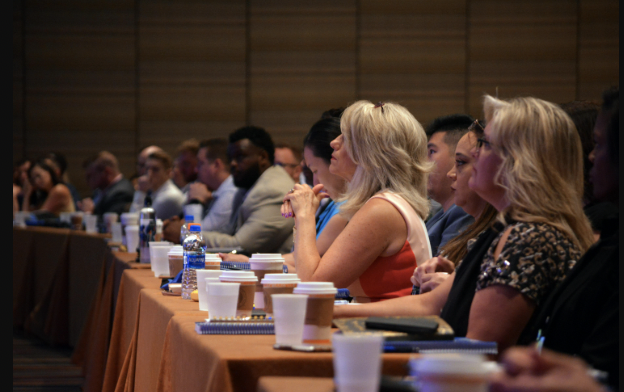
Most people remember very little from business events. They remember how tired they felt after the second session. That gap has become a real problem for organizers. Attention today is fragile.
A recent industry survey revealed that nearly three out of four professionals admit to checking their phones frequently during conferences. This is especially seen when sessions feel repetitive or disconnected. Engagement no longer comes from packed agendas. It comes from how the day actually feels to the people attending.
That is why experience-driven elements now matter more than polished presentations. Even something as familiar as coffee catering can quietly help organizers change how people behave at an event, turning dead time into shared moments and spontaneous conversations.
Disengagement rarely happens all at once, and it can take you by surprise. It creeps in when you least expect it and in the most unusual ways. A room that feels stiff. A break that feels rushed. A layout that discourages movement. None of these ruins is an event on its own. But they would rather drain the energy.
According to data published by Statista, attendees at any business event look for something memorable to take back from the event. It is no longer what the speaker delivers but the holistic experience. This is why the most successful events focus less on volume and more on rhythm.
Breaks are where events either come alive or fall flat.
Traditional setups treat breaks as functional pauses. Grab a drink. Check emails. Leave. But behavioral research suggests that shared sensory experiences increase interaction and recall. Studies show that taste and smell play a great role in social bonding and memory formation.
This is where mobile coffee experiences make a difference. A visible, well-run coffee station invites people to slow down. They wait. They watch. They talk. Conversations start without introductions.
Astro Coffee recommends taking a unique approach. Mobile carts and solar-powered vans, for example, can create a better presence instead of a regular service. Drinks can become conversation starters, not just caffeine delivery. For business events, that shift often matters more than what organizers expect.
People do not network where you tell them to. They actually network where they feel comfortable, and this applies when they attend events.
Open layouts with natural gathering points outperform rigid seating every time. Lounges, high tables, and walk-up stations encourage movement and informal conversation. When people can drift rather than march, engagement follows.
Event planners who design spaces around behavior instead of schedules see better results. A coffee station near session exits, for example, captures attention when energy dips. People regroup, reset, and re-engage without being told to do so.
Long panels test patience. Short, focused sessions invite attention.
Events that build in moments for audience input consistently hold interest longer. Interactive elements like live questions, quick polls, or small GDs encourage attendees to take part. They feel involved rather than managed. A strong CTA always does the magic.
Ten-minute insights followed by discussion often generate more engagement than an hour-long talk.
There’s a saying that goes. Humans have shorter attention spans than a goldfish. People remember what they participate in, not what they sit through.
Technology should support connection, not demand attention.
Simple tools such as agenda personalization, session feedback, or attendee messaging help people shape their own experience. Overuse, however, distracts. The goal is to reduce friction, not add screens.
The most effective events use technology quietly, in the background, while keeping human interaction front and center.
Sustainability no longer sits on the sidelines of event planning.
Research published through ScienceDirect indicates that environmentally responsible event practices improve attendee trust and brand perception. Attendees notice when choices feel thoughtful rather than performative.
Solar-powered setups, reduced waste, and local sourcing send a clear signal.
A sustainability-first approach fits naturally into this expectation. It aligns values with experience without needing explanation.
The most engaging business events feel effortless, but they are not accidental.
They respect attention. They value pacing. They design for conversation. They understand that people remember moments more than messaging. When events focus on how people feel during the day, not just what they hear, engagement follows naturally.
When people leave talking about conversations they had rather than slides they saw, the event has already done its job.







