
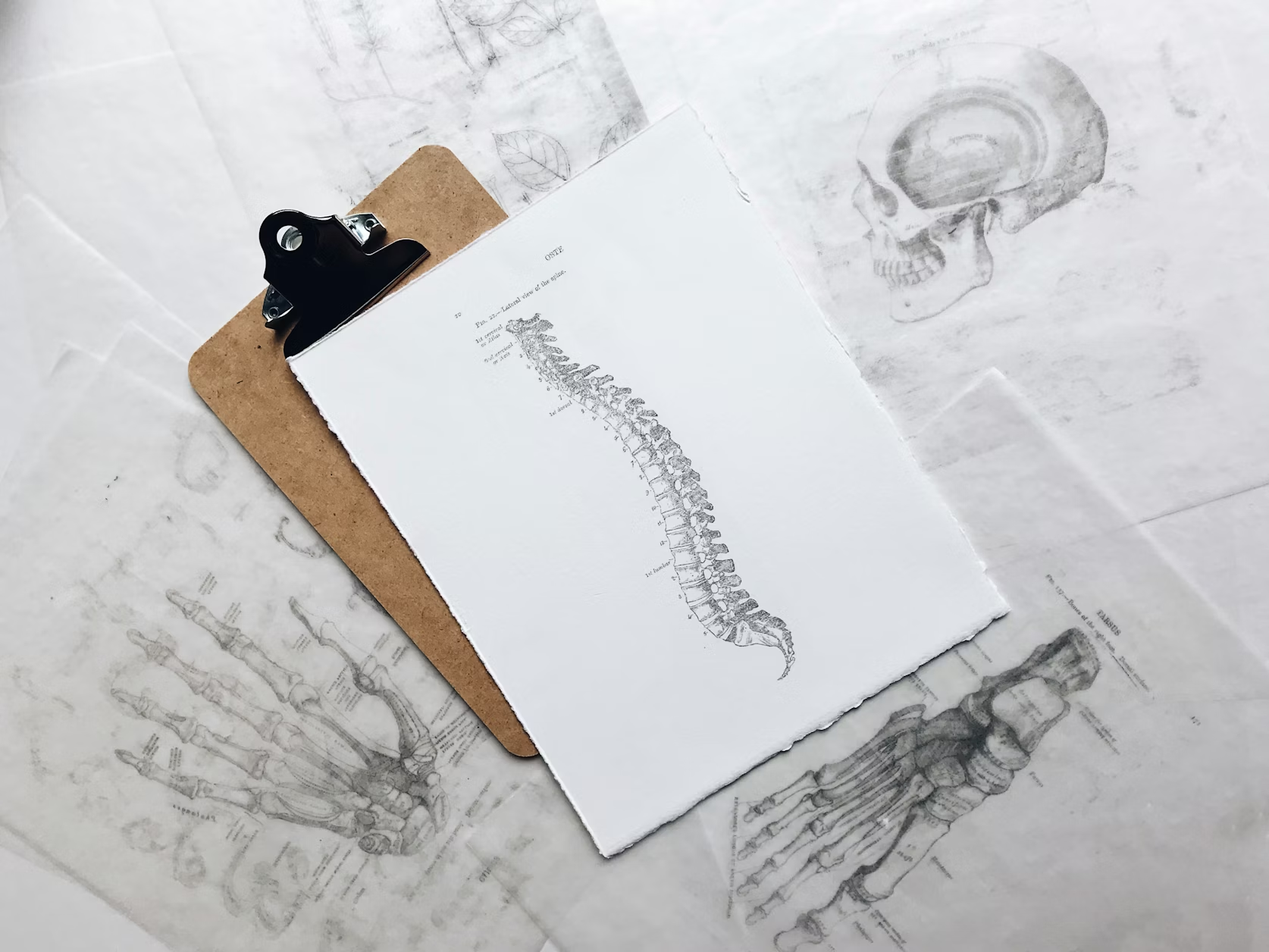
Bad posture is more common than you imagine, and it has serious effects. Prolonged slouching or hunching from desk work, phone use, or sedentary lifestyles compresses the spine and tightens muscles. It also weakens the core and upper back, causing referred pain, headaches, and reduced mobility.
In cities like Denver, which is considered one of the next tech hubs in the US, the problem may be more prevalent. Tech workers are prone to postural problems due to the nature of their jobs. Most of them end up looking for the top chiropractors in Denver to seek help and regain balance holistically.
Relief starts with awareness and simple interventions, progressing to professional care for lasting results. In this article, we will share a few effective measures to address pain caused by poor posture.
An ergonomic setup aligns your body neutrally, reducing spinal load significantly. According to the Occupational Safety and Health Administration, the concept of neutral body positioning defines the correct way to set up a workstation. Ideally, the monitor should be at eye level, about an arm's length away, to avoid forward head tilt that strains neck muscles.
A chair with lumbar support is a good investment to maintain the spine's natural curve. Also, adjust seat height so feet rest flat and knees bend at 90 degrees. Adding a footrest is a good way to prevent forward leaning. You can use an adjustable keyboard tray to keep elbows at 90-100 degrees.
Another good way to address posture-related pain is to incorporate a standing desk converter. You can use it for alternating positions every 30 minutes, easing lower back pressure. These changes distribute weight evenly, minimizing pain from sustained poor alignment.
Healthline notes that stretching, combined with yoga and strengthening exercises, can be effective for fixing the posture. These simple movements can improve strength, flexibility, and balance. Stretching, in particular, counters tightness from static postures, improving blood flow to relieve acute pain.
Ideally, you should try stretching every hour during work, ideally every hour during work. Child’s Pose elongates the spine, while Cobra Pose strengthens the back. Try thoracic spine rotation to ease mid-back stiffness. Forward fold loosens hamstrings and lower back: stand, hinge at hips, let head hang toward toes.
Consistent stretching reduces muscle spasms and enhances posture awareness. Eventually, as your body becomes stronger and more flexible, you will also experience lasting and effective pain relief.
Persistent pain signals potential issues like misalignments or imbalances needing expert intervention. According to the Denver Integrated Spine Center, chiropractic care offers a holistic solution. Besides reducing pain from postural problems, it can strengthen your spine and prevent pain in the future.
Chiropractic adjustments realign the spine, relieving nerve pressure and improving mobility often within a few sessions. Physiotherapy practitioners assess gait and strength, prescribing tailored exercises to build stability. Likewise, massage therapists release trigger points in tight muscles such as the trapezius or pectorals.
For severe cases, imaging or an orthopedist evaluation rules out disc problems. Early intervention prevents chronicity and ensures quick pain reduction post-therapy. Moreover, professionals can share valuable advice regarding posture correction as a preventive measure.
MedlinePlus recommends being mindful of your posture during daily activities. This means you need to ensure correct posture while watching television, washing dishes, or walking. If you pay attention to how you hold your body, you can keep your spine in good health and prevent chronic pain.
Posture mindfulness retrains habits through cues and checks. Stand with ears, shoulders, hips, and ankles aligned; imagine a string pulling your head upward. Set phone reminders every 15-20 minutes to scan and correct your posture by rolling your shoulders back, tucking your chin, and engaging your core.
Try using mirrors or apps for feedback during daily activities like walking or lifting. Daily vigilance builds muscle memory and sets you up for cutting pain recurrence by fostering neutral alignment.
Did you know what the worst culprit is that can ruin your posture? Your laptop or mobile phone! Excessive screen time promotes forward head posture, adding up to 60 pounds of stress per inch of tilt. While giving up screens completely seems practically impossible, you can try a few tricks to limit their usage.
Follow the 20-20-20 rule: every 20 minutes, look 20 feet away for 20 seconds. Schedule screen-free breaks, and indulge in physical activities and outings instead. Correcting the usage patterns can also make a difference. Elevate phones to eye level and use voice-to-text to minimize hunching.
Use blue light filters to reduce eye strain that exacerbates neck tension. Commit to nightly digital detox, as it preserves sleep quality, vital for tissue repair. Reducing exposure allows natural posture recovery, slashing daily pain triggers.
Tech neck is perhaps the most common effect of bad posture. Pain strikes the neck from a forward head position, the upper back from rounded shoulders, the lower back from pelvic tilt, and headaches from tension. Shoulders and hips may ache due to imbalances, with sciatica possible in severe cases.
Back sleeping with a pillow under the knees maintains spinal neutrality, reducing lower back strain. Side sleepers should use a knee pillow to align their hips and a supportive head pillow to keep their neck straight. Avoid stomach sleeping altogether because it is the worst thing you can do for your spine.
Bad posture contributes to chronic issues such as digestive problems, breathing restriction, and cardiovascular strain over time. However, it is not typically fatal alone, though long-term impact may hinder mobility and quality of life. It accelerates wear on joints and organs, raising risks for conditions like arthritis or hypertension indirectly.
Posture-related pain is common and challenging to deal with. Most people do not realize how the side effects of poor posture build up until pain becomes a part of their daily lives. However, a proactive approach makes it possible to address chronic pain and correct one’s posture effectively. Besides medical help, it requires attention to how one stands, sits, and moves to ensure strength, balance, and flexibility.







