
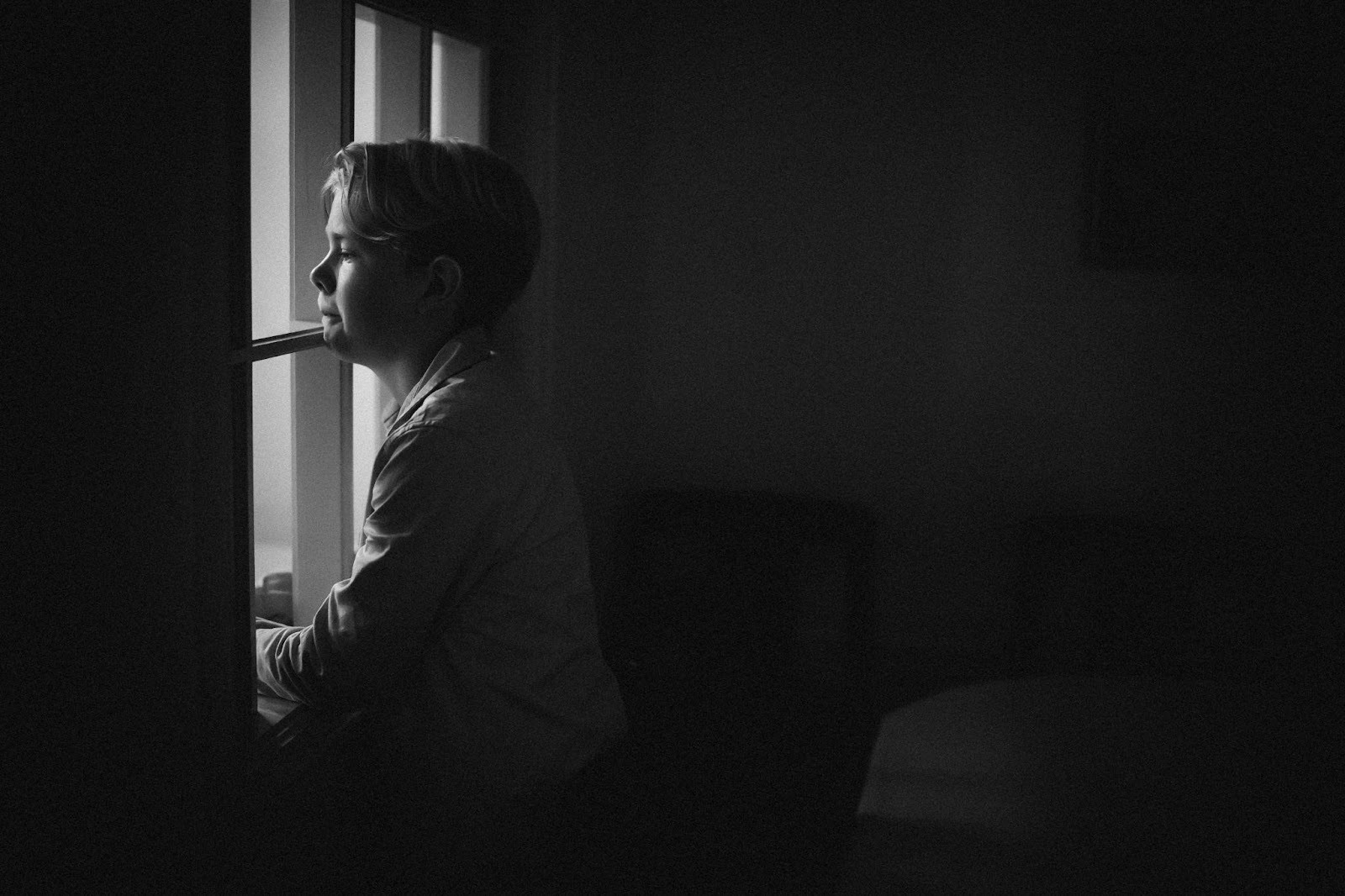
You see it on the news all the time. A teenager gets arrested. People argue about consequences. Someone says, “Kids today have no respect.” Then the story moves on.
But if you slow it down, you often find something underneath the headline. A life shaped by fear. A nervous system that never fully powers down. A child who learned early that the world can turn on you fast.
Trauma does not excuse hurting others. It does not erase accountability. It does help explain why some young people make choices that bring them into conflict with the law. Because trauma changes how the brain grows, it changes what feels safe. Plus it changes how a teen reacts when stress hits.
Trauma is not always one dramatic event. Sometimes it is a daily pattern. Abuse. Neglect. A parent who disappears for days. Screaming matches that shake the walls. Getting jumped on the way home and living in a place where you hear gunshots often enough that you stop looking up.
When a child grows up like that, their body adapts. Not in a neat, healthy way. In a survival way.
A brain built for safety learns to scan. Who is angry? Who is watching? Who might explode. It becomes quick to spot a threat. That is useful in a dangerous home or neighborhood. It can also cause problems everywhere else.
A teacher raising their voice can feel like a warning siren. A joke can sound like disrespect. A simple “No” can land like rejection. The reaction comes first. The thinking comes later.
That is one reason trauma can raise the risk of offending. Because youth offending often starts with a split-second choice. A shove. A punch. A grab. A dare. A decision that takes two seconds but carries consequences for months.
The parts of the brain that help with planning and impulse control are still developing during adolescence. That is normal. Add trauma, plus constant stress, and that development can get harder. It becomes tougher to pause and think, “If I do this, what happens next?” It becomes easier to act on feeling.
A traumatized teen may not look scared, either. They might look cold. Flat. Unbothered. That can be misleading. Numbness is often a shield. If you have been overwhelmed for years, shutting feelings off can feel like the only way to keep going.
When a young person grows up around violence, conflict can start to feel ordinary. Not okay. Just familiar. Like background noise, you stop noticing.
So the “normal” way to settle problems becomes louder, faster, and more physical. When someone feels disrespected, they swing first. When someone threatens them, they threaten back. When things get tense, they run, steal, lie, or fight. It can look like an attitude, but it is often a learned script.
Plus, many teens dealing with trauma live with a constant sense of unfairness. Adults fail them. Systems fail them. Promises broken. That means trust does not come easily. If you do not trust adults, you do not ask for help. You handle things your way. Even when your way hurts you.
Trauma also plants shame. Kids blame themselves for what happened. They think, “If I were better, this would not have happened.” That belief can quietly shape identity.
If a teen believes they are bad, they start acting like it. Not because they want to be a villain. Because it feels expected. Because it is easier to lean into the label than fight it.
And then there is belonging. Adolescence is when peer acceptance feels huge. If home feels unsafe and school feels judgmental, a teen will look for a place to belong. Sometimes that place is a group that rewards rebellion and risk. A crew that offers protection. A circle where anger is respected.
It can feel like family. Even when it leads straight into trouble.
A lot of youth substance use is not about partying. It is about relief.
Some teens use alcohol or drugs to sleep. To calm down. To stop intrusive memories. To feel something other than fear or numbness. In other words, they self-medicate. Then substance use raises the chances of impulsive actions, risky behavior, plus arrests.
This is where support needs to be realistic. If you only tell a teen to stop, without helping them handle what they are trying to escape, you leave them stuck. They lose the coping tool without gaining a better one.
For families looking for structured support, it can help to explore trauma-aware options like Rehab in California through Arkview Behavioral Health, especially when substance use is tied to stress responses, not just peer influence.
Trauma-informed care, explained like a real person
“Trauma-informed care” can sound like a fancy term. It is actually a simple shift.
Instead of asking, “What is wrong with you?” you ask, “What happened to you?” Then you respond in a way that does not add more harm.
It does not mean you let things slide. It means you hold boundaries without humiliation.
A trauma-informed adult focuses on safety first. Clear routines. Calm corrections. Predictable consequences. Because unpredictability is one of the biggest triggers for traumatized kids. When they cannot predict what happens next, their body prepares for danger.
It also includes giving small choices back. Trauma steals control. So even tiny choices can help a teen feel less trapped. “Do you want to talk now or after class?” “Do you want to sit here or there?” That may sound simple. It is powerful.
Connection is another core piece. One steady adult can change a trajectory. A coach who notices. A teacher who stays calm. A counselor who does not flinch. A mentor who keeps showing up. A relative who listens without judgment. A teen does not need a crowd. They need one safe person.
Then there is skill-building. Not lectures. Skills. How to cool down when your body is flooding with anger. How to walk away without losing face. How to name feelings before they explode. How to plan ahead when you are tempted to act fast. Those are learnable.
If a teen already expects adults to hurt, abandon, or shame them, harsh punishment can confirm that belief. It can turn “I made a mistake” into “I am a bad person, so why bother trying?”
Punishment can also trigger the same survival response that started the behavior in the first place. A teen who feels cornered will fight, run, or shut down. That is not defiance. That is a threat response.
This is why approaches that blend accountability with therapy, education, family support, plus structure tend to work better than punishment alone. The goal is not softness. The goal is change.
Trauma does not disappear because a teen gets locked up. Often, it grows. New fear. New loss of control. New shame. So if the justice response ignores trauma, it can send a young person back into the world with the same wounds, plus fewer supports.
I once heard a teen say, “My body reacts before my brain catches up.”
That sentence explains so much. It does not deny responsibility. It shows the gap where help can fit.
If you are a parent, teacher, mentor, or older sibling, you do not need perfect words. You need steadiness.
Try to stay calm when you set limits. Keep instructions short. Offer a reset when things escalate. Water. A short walk. A quiet space. A minute to breathe. Then talk.
When you correct behavior, separate the act from the person. “That choice was not okay” lands better than “You are a problem.” Keep consequences predictable. Follow through without a power struggle. Praise effort when you see it, even if progress is messy.
If substance use is involved, look for help that treats both the behavior plus the pain underneath. A Treatment for Mental Illness that understands trauma can support a young person in learning safer coping tools, not just “stopping” without a plan.
Trauma can shape youth offending by changing brain development, stress responses, plus decision-making. It can make a teen feel threatened in situations that look safe to you. It can push them toward quick relief, quick reactions, plus risky peers.
But this is not a life sentence.
When you use trauma-informed care, you give a young person a new experience of adults. Calm. Consistent. Firm, but not cruel. Supportive, but not permissive. That balance can open a door.
If a teen in your world is struggling, consider reaching out to a school counselor, a youth mental health provider, or a trauma-aware treatment program. One steady step can start a real shift.







