
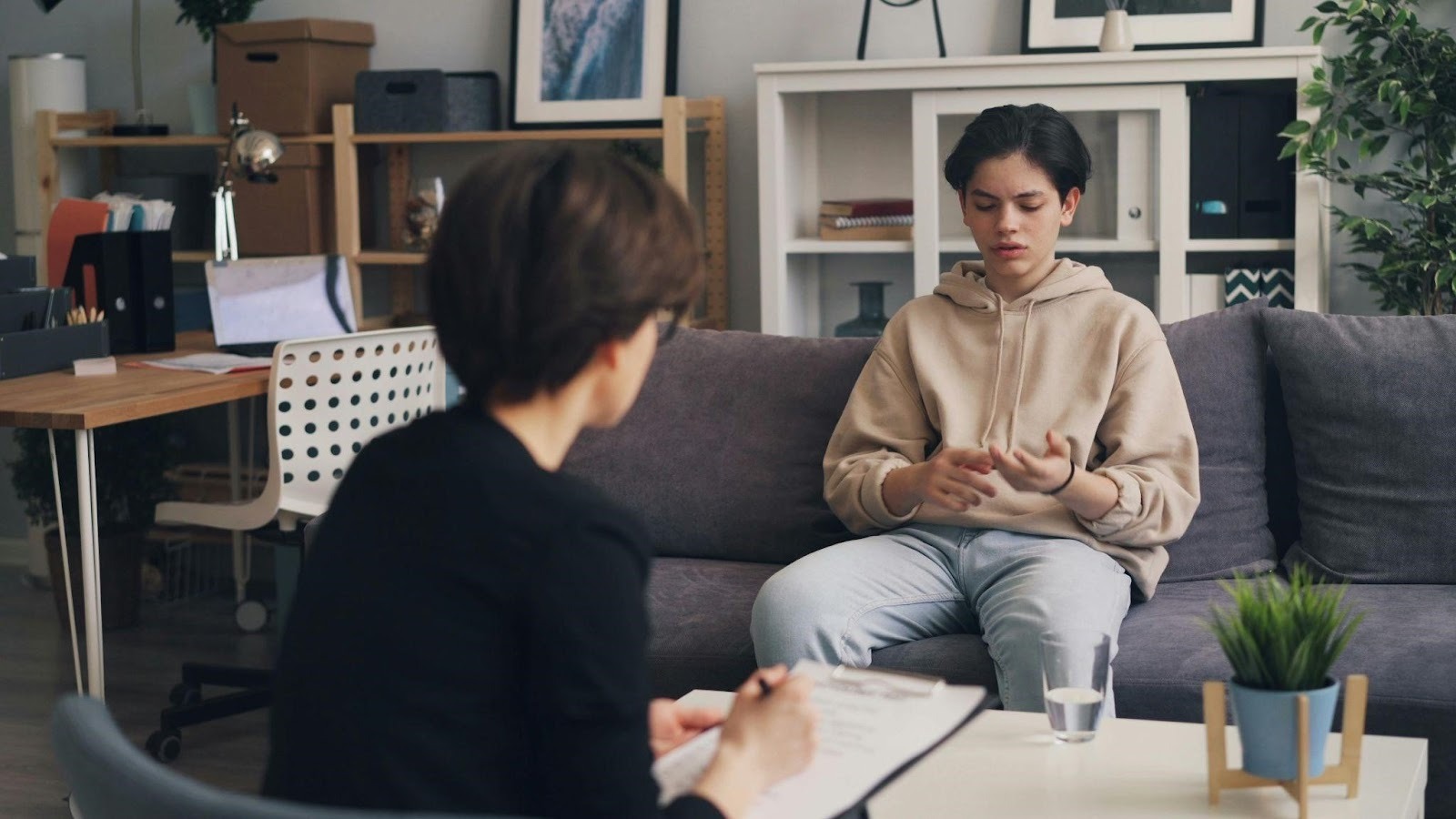
A teen can look “fine” in the hallway. Then go home and feel like the air is too heavy to breathe. That is what makes this topic so important. Pain does not always show up with a warning label.
If you care about young people, you can help. You do not need special training to be a safe person. You just need to notice the shift, stay close, and know where support lives.
So let us talk about what suicide risk can look like in youth, especially youth in conflict with the law (often called YICL). Let us also talk about what you can do, in real life, on a regular Tuesday.
Suicide prevention is not about dramatic moments. Most of the time, it is about the slow build. Stress stacks up. Shame sticks around. Sleep gets worse. School pressure tightens. Family conflict keeps looping.
For YICL, the pressure can feel constant. Court dates, probation rules, school disruption, plus social stigma, can make a young person feel like they are stuck in a box with no door. That does not mean they will attempt suicide. It does mean they may need more support, sooner.
Here is the key idea. Suicide risk often rises when someone feels two things at once: deep pain, plus no clear way out. Your role is to help create a way out that feels real.
Small hope. Small steps. Then more.
“At-risk” sounds clinical, so let us make it plain. A young person is at higher risk when life feels unstable, unsafe, or unbearable for long stretches.
That can include trauma, bullying, relationship breakup, grief, identity stress, housing insecurity, or ongoing family conflict. It can also include untreated depression, anxiety, or substance use. Often, it is not just one thing. It is a mix that keeps pushing them past their limit.
And sometimes the biggest risk factor is isolation. Not being alone in a room. Being alone inside your own head.
People often expect one clear sign. Like a direct statement. Or a sudden collapse. Real life is messier.
You might notice a teen pulling away from friends. You might see their grades drop, or their sleep flip, or their mood turn sharp and snappy. They might stop caring about things they used to love. Or they might start doing risky stuff that feels out of character.
Sometimes the sign is in their words. “You would be better off without me.” “I cannot do this anymore.” Even jokes about dying can be a flag, especially if the tone feels flat or tired.
Trust your instincts. If something feels off, it is worth checking in.
A lot of adults hold back because they worry about saying the wrong thing. Or they worry that asking about suicide will put the idea in a teen’s mind.
In practice, asking directly can be a relief. It can feel like someone finally sees what they have been hiding. It can also open the door to support, which is the whole point.
You might try a calm line like this: “I have noticed you seem really weighed down lately. Are you thinking about hurting yourself or ending your life?”
Then pause. Let them answer in their own words. Try not to rush in to fix everything.
If they say yes, your goal is not to solve their whole life. Your goal is to help them get through today safely.
Keep your voice steady. Keep your words simple. You can say you are glad they told you. You can say you care. You can say you will stay with them while you figure out the next step together.
If they say no, but you still feel worried, you can stay curious. You can say, “Okay. I hear you. I still want to understand what is making things feel so heavy.”
Either way, connection matters. Think of it like holding a flashlight in a dark room. You are not dragging them anywhere. You are just helping them see the floor under their feet.
I once sat with a teen who whispered, “I feel like a ghost in my own life.” I still think about that sentence when I am deciding whether to check in with someone.
Some moments call for fast action. Not panic. Just clear steps.
If a young person has a plan, has access to something they could use to harm themselves, is intoxicated, or says they cannot stay safe, treat it like an emergency. Consider calling your local emergency number or taking them to the nearest emergency room. If you are in the United States, you can also call or text 988 for the Suicide and Crisis Lifeline.
If you are outside the U.S., you can look up your country’s crisis line and save it in your phone. It is like keeping an umbrella nearby. You hope you do not need it. You feel better knowing it is there.
Substance use does not cause suicide by itself. But it can lower impulse control. It can also intensify hopeless feelings in the moment. That is why it matters to take substance use seriously when you are also seeing warning signs.
Some families need a higher level of care that supports both mental health plus substance recovery. If that is your situation, exploring an NJ Drug Addiction Rehab can be one step toward safer, more structured support.
Then there is the “after.” Because the moment passes, but the stressors often stay.
So ongoing care matters.
Many teens do better with a plan that fits real life. Not just one appointment and good luck.
That can mean weekly therapy. It can mean family support. It can mean school-based counseling or community programs that keep them connected. For some teens, a structured outpatient schedule helps them practice coping skills while still living at home and attending school.
One option is an Intensive Outpatient Program. Spell it out once, so it is clear. Intensive Outpatient Program (IOP) usually means several sessions per week, often in the afternoon or evening, plus support that feels consistent.
If you are looking in California, a Rehab Alameda CA may be a fit when a teen needs more support than weekly therapy, but does not need inpatient care.
Suicide prevention is not only a family job. Schools, youth groups, sports teams, probation offices, plus community centers can all be part of the safety net.
It helps when adults share a simple plan. Who do you contact first? Where does the teen go if they need a safe space? How do you follow up the next day? How do you include caregivers without adding shame?
For YICL, the tone matters even more. A young person who expects judgment will hide pain faster. A young person who feels respected is more likely to speak up.
Try language that separates the kid from the situation. “You are not your worst day.” “You are more than this moment.” It sounds basic. It works because it lowers shame.
You cannot “wellness” your way out of serious pain. Still, daily basics can raise the floor when life feels shaky.
Sleep helps. Regular meals help. Movement helps, even a short walk. Less late-night scrolling helps. Plus one steady adult who checks in consistently, even for two minutes.
It also helps to name feelings out loud. Not perfectly. Just honestly. “I feel anxious.” “I feel trapped.” “I feel tired of fighting.” Words can turn a storm into something you can map.
That is a big deal for teens who have spent years pushing feelings down.
Sometimes you read a piece like this, and your chest tightens. That matters.
You deserve support, even if you are not sure what you need yet. If you are in immediate danger, please contact local emergency services right now. If you are in the U.S., you can call or text 988 for crisis support at any time.
If you are elsewhere, consider searching “suicide crisis hotline” plus your country name, then saving the number. It is a small step that can make a hard night feel less lonely.
You do not need the perfect script. You do not need to be a therapist. You can start with one honest check-in and a calm question.
Stay close. Listen longer than you talk. Help them connect to real support. Then keep showing up.
If someone in your life has been acting differently lately, maybe this is your nudge. Reach out today. Keep it simple. Keep it kind. That steady care can be the thing that helps them hold on.







