
You can do everything “right” and still feel off.
You eat decent food. You try to move your body. You keep up with work. Yet something feels heavy. Like you are carrying life by yourself.
That feeling matters more than people admit. Because health is not only what happens in your body. It is also what happens around you. The voices you hear. The faces you recognize. The people who notice when you are not quite yourself.
Community support is not a soft extra. It is part of the foundation. When you feel connected, your body tends to settle. When you feel isolated, stress sticks like salt in the air after a windy day. You might not see it at first, but it gets into everything.
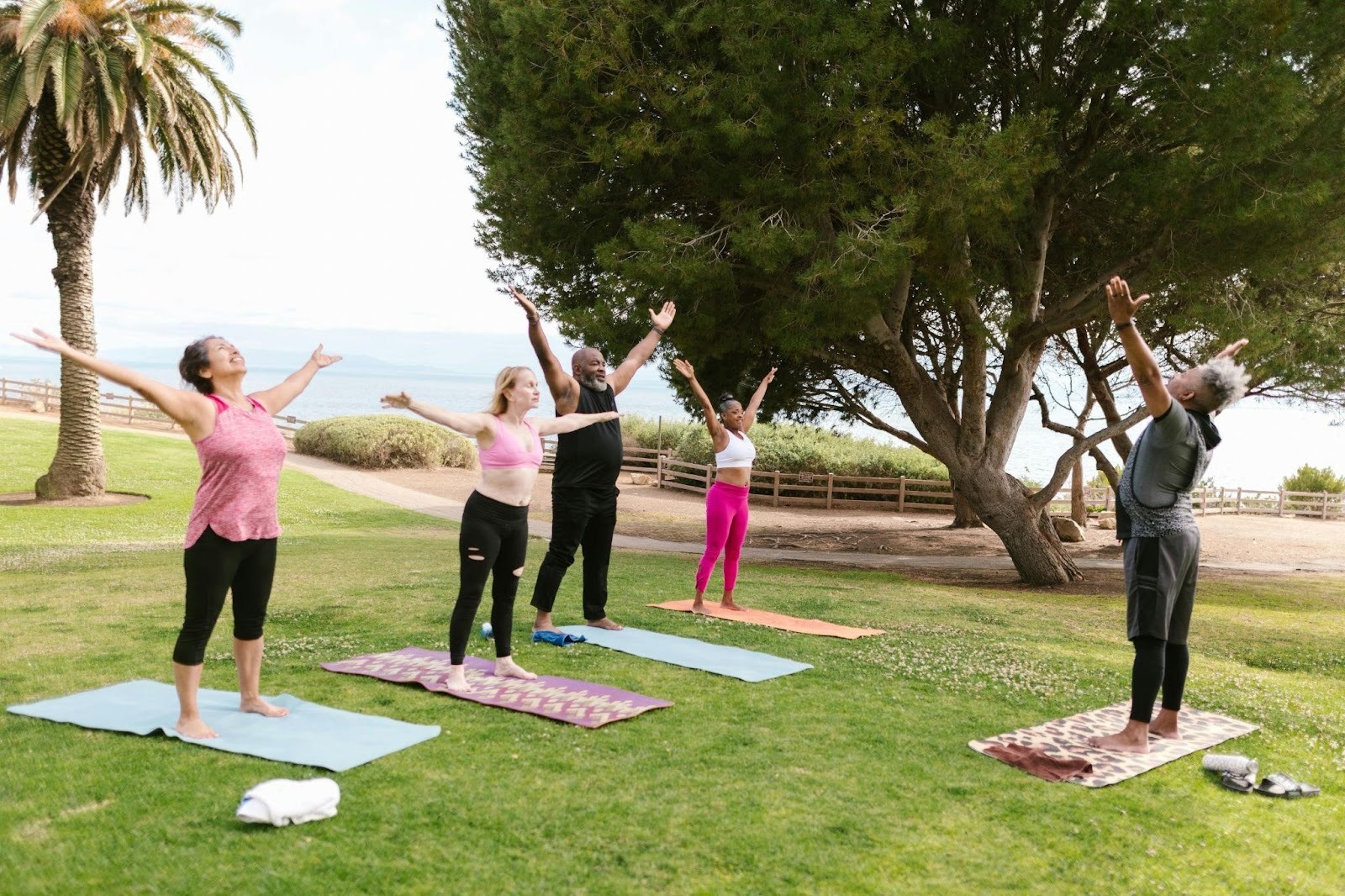
In a coastal place like Ocean City, you can spot community in motion. It is the neighbor who says hello during a morning walk. The volunteer group is setting up chairs for a local event. The parents are swapping advice by the boardwalk. It looks ordinary. But it can shape health outcomes in real, measurable ways.
Stress is not just a mood. It is a whole-body event.
When you feel alone, your brain reads the world as less safe. Your body stays on alert. Sleep gets lighter. Your patience gets shorter. Small problems feel bigger. You may start skipping the habits that keep you well, not because you are lazy, but because you are tired.
Support can flip that switch.
A quick check-in from a friend. A familiar face at the same café. A group you meet every week. Those things tell your nervous system, “You are not on your own.” Your body responds. Breathing slows. Muscles loosen. Your mind gets a bit more room to think.
That space matters. It makes it easier to choose what helps you, even when life feels messy.
Most health habits are not complicated. They are repetitive.
You can know what to do and still not do it when you feel down or overwhelmed. That is normal. Community helps because it adds gentle structure.
When someone expects you at a walk, you go. When your neighbor asks how your knee is doing, you remember your stretches. When you join a local class, you show up even on days you would rather stay home. The habit becomes part of your life instead of a chore you have to force.
It is also easier to keep medical care on track when you have people around you. Someone reminds you about an appointment. Someone offers a ride. Someone asks, “How did it go?” That question alone can keep you engaged instead of drifting away from care.
There is a difference between being around people and feeling connected to them.
You can sit in a crowded place and still feel alone. Real support is when someone actually notices you. Listens without rushing. Checks in without making you feel like a burden.
That kind of connection can ease anxiety and lift mood over time. It does not erase hard days. But it can soften them. It can stop your mind from spiraling in the same loops.
It also reduces shame. When you hear others talk honestly about stress, grief, parenting pressure, burnout, or depression, you realize your experience is not weird. It is human. That perspective is powerful.
When your mind feels steadier, your body usually follows. You sleep better. You eat more consistently. You move more. You recover faster from setbacks. Mental health and physical health are tied together like the tide and the shoreline. One always pulls on the other.
Big changes are rarely made in isolation.
Recovery from substance use is one of the clearest examples. It is not only about stopping a behavior. It is about building stability, rebuilding trust, and creating a life that feels worth protecting.
Support can look like a friend who answers the phone when you are shaky. A family member who learns how to help without controlling. A local group that gives you structure when your motivation is low. It can also include professional care that keeps you safe during the hardest parts.
For some people, a medically supported detox is the right first step, especially when withdrawal can be risky. If you or someone close to you needs that kind of help, Drug and Alcohol Detox in Memphis is one example of a resource focused on that early stage of care.
After that first step, ongoing support matters just as much. Recovery tends to hold when people have consistent care, plus consistent connection. Programs that include longer-term treatment and community support can help people build routines that last. MA Addiction Treatment Programs is an example of a place that outlines structured options many people use to keep moving forward.
The point is simple: support keeps you from having to white-knuckle everything alone.
Community support is not only emotional. It is practical, and it shows up in your body.
If you live with high blood pressure, diabetes, chronic pain, or asthma, support helps you stay steady. People share tips that work in real life. You are more likely to take meds on time. You are more likely to keep follow-ups. You are more likely to notice patterns before they turn into bigger problems.
Even recovery from a common illness can be smoother with support. Someone drops off soup. Someone watches the kids for an hour. Someone simply sits with you so you do not feel trapped in your own thoughts.
That is not just kindness. That is health support in action.
Shore towns have their own rhythm. Seasons change the pace. Summer brings energy. Winter can feel quiet and long. Life can swing between busy and still.
In a place like Ocean City, the community can act like a steady lighthouse. Something constant. Something you can orient to.
You see it in the little things. People holding doors. Chatting on porches. Checking on neighbors after a storm. Sharing local updates. Showing up for fundraisers. Those moments create a safety net you might not notice until you need it.
One-line personal anecdote: I once had a rough week, took a walk to clear my head, and a neighbor’s simple “Good to see you” carried me through the rest of the day.
It sounds small. But that is the point. Support does not always arrive in big speeches. Sometimes it arrives in a simple human moment.
You do not have to become a social butterfly. You do not have to join ten groups. You can start with one small step that feels natural.
Maybe you reach out to one person you trust and keep it simple: “Want to grab coffee this week?” Maybe you pick one local activity you can show up to twice a month. Maybe you start saying hello on your usual walking route, so familiar faces start to form.
Support builds the same way a sandcastle builds. One handful at a time. Small layers. Repeated effort. It holds better than you expect.
If you want better health outcomes, do not only look at your diet or your step count. Look at your circle. Look at your routines. Look at who you can lean on, plus who can lean on you.
Community support improves health because it lowers stress, strengthens habits, and keeps you engaged with care when life gets hard. It makes resilience feel less like a solo mission.
So try one gentle move today. Send the text. Say hello. Show up once. Let yourself be supported.
You do not have to live alone.







