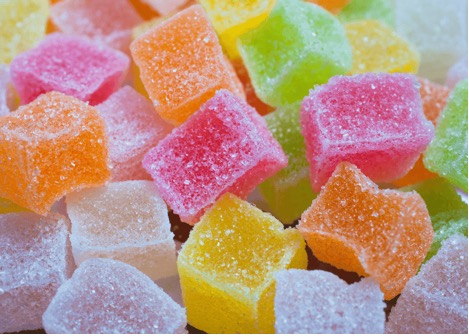
For much of the last century, cannabis occupied the cultural margins—associated with counterculture, legal battles, and social stigma. Today, that image is rapidly changing. As legalization expands and consumer preferences evolve, cannabis is entering the mainstream in quieter, more sophisticated forms. Chief among them are edibles and beverages, products that are redefining not only how people consume cannabis, but why they do.
Rather than smoke-filled rooms or hazy stereotypes, modern cannabis use is increasingly about intentionality: relaxation without excess, social connection without hangovers, and wellness without prescriptions. Edibles and drinks sit at the center of this shift, offering a more approachable, controlled, and socially acceptable way to engage with THC.
One of the most significant changes in cannabis culture is the move away from smoking. Health concerns, social norms, and lifestyle preferences have all played a role. For many consumers—especially older adults, professionals, and wellness-minded individuals—smoking simply doesn’t fit into daily life.
Edibles and beverages remove many of the barriers that once kept people away from cannabis. There’s no smoke, no lingering smell, and no specialized equipment. A THC-infused seltzer looks much like any other sparkling drink. A gummy can feel no more intimidating than a vitamin or supplement.
This format shift has helped normalize cannabis use, making it easier to integrate into routines like winding down after work, attending social gatherings, or prioritizing rest and recovery.
Edibles offer something that traditional cannabis products often did not: predictability. Modern formulations emphasize measured doses, consistent effects, and clear labeling. This has been especially appealing to cannabis-curious consumers who want to ease in without feeling overwhelmed.
Low-dose options allow users to fine-tune their experience, whether they’re looking for mild relaxation, stress relief, or help with sleep. For those returning to cannabis after years—or decades—away, edibles feel safer and more familiar than smoking.
There’s also a psychological component. Eating or drinking something infused with THC doesn’t carry the same cultural baggage as lighting up. For many, it feels like a lifestyle choice rather than a statement.
Perhaps nowhere is cannabis’s mainstream moment more visible than in the beverage aisle. THC-infused drinks are increasingly positioned as alternatives to alcohol, aligning with broader trends around mindful drinking and wellness.
Younger generations, in particular, are drinking less alcohol than previous cohorts. Concerns about mental health, sleep quality, and long-term wellness have led many to seek substitutes that offer relaxation without next-day regret. THC beverages fill that gap, offering a gentle buzz without dehydration, hangovers, or impaired judgment when consumed responsibly.
At social events, dinners, and even work-related gatherings, cannabis drinks are starting to appear alongside—or instead of—wine and cocktails. The result is a subtle but meaningful shift in social norms around how people unwind together.
As cannabis becomes more mainstream, its role is increasingly framed around wellness rather than escapism. Many consumers are not using THC to “check out,” but to check in—to manage stress, improve sleep, or enhance presence.
This aligns with a broader cultural focus on mental health, mindfulness, and balance. In this context, edibles and drinks are tools rather than indulgences. They’re part of evening rituals, self-care routines, or intentional moments of calm.
Brands in the space have taken note, often emphasizing feeling, mood, and experience over potency. One example is Mood, a legal cannabis brand that focuses on how people want to feel rather than overt cannabis messaging. Their approach reflects a broader industry trend toward subtlety and lifestyle alignment. Readers curious about how these brands present themselves can visit website offerings for context, though the shift extends far beyond any single company.
Mainstream acceptance has also brought increased scrutiny. As edibles and beverages become more widely available, regulators and public health advocates are paying closer attention to safety, packaging, and education.
Clear dosage information, child-resistant packaging, and responsible marketing are now industry expectations rather than exceptions. Many brands emphasize starting low, understanding onset times, and avoiding mixing THC with alcohol.
This regulatory environment, while sometimes challenging for producers, has helped legitimize the space. For consumers, it builds trust and reduces the uncertainty that once surrounded cannabis use.
Media coverage has played a significant role in cannabis’s mainstream evolution. Where headlines once focused almost exclusively on arrests or legalization battles, stories now explore lifestyle trends, business growth, and cultural impact.
Cannabis edibles and drinks are discussed alongside topics like wellness tourism, workplace culture, and shifting social habits. This reframing has helped reposition THC as one of many tools people use to relax and connect, rather than a defining identity.
In many ways, cannabis is following a path similar to that of yoga or meditation—once niche, now commonplace, and continually evolving.
The rise of edibles and beverages suggests that cannabis’s future is less about intensity and more about integration. Consumers are looking for products that fit seamlessly into their lives, support well-being, and align with their values.
As innovation continues, expect to see more refined formulations, faster-onset drinks, and products designed for specific moments—socializing, sleeping, focusing, or unwinding. The language around cannabis will likely continue to soften, focusing on experience rather than substance.
Cannabis going mainstream doesn’t mean it’s everywhere all the time. It means it’s becoming normal—another option among many for how people choose to relax, socialize, and care for themselves.
In that sense, edibles and drinks aren’t just reshaping cannabis use. They’re reshaping how society thinks about balance, pleasure, and intentional living in a modern world.