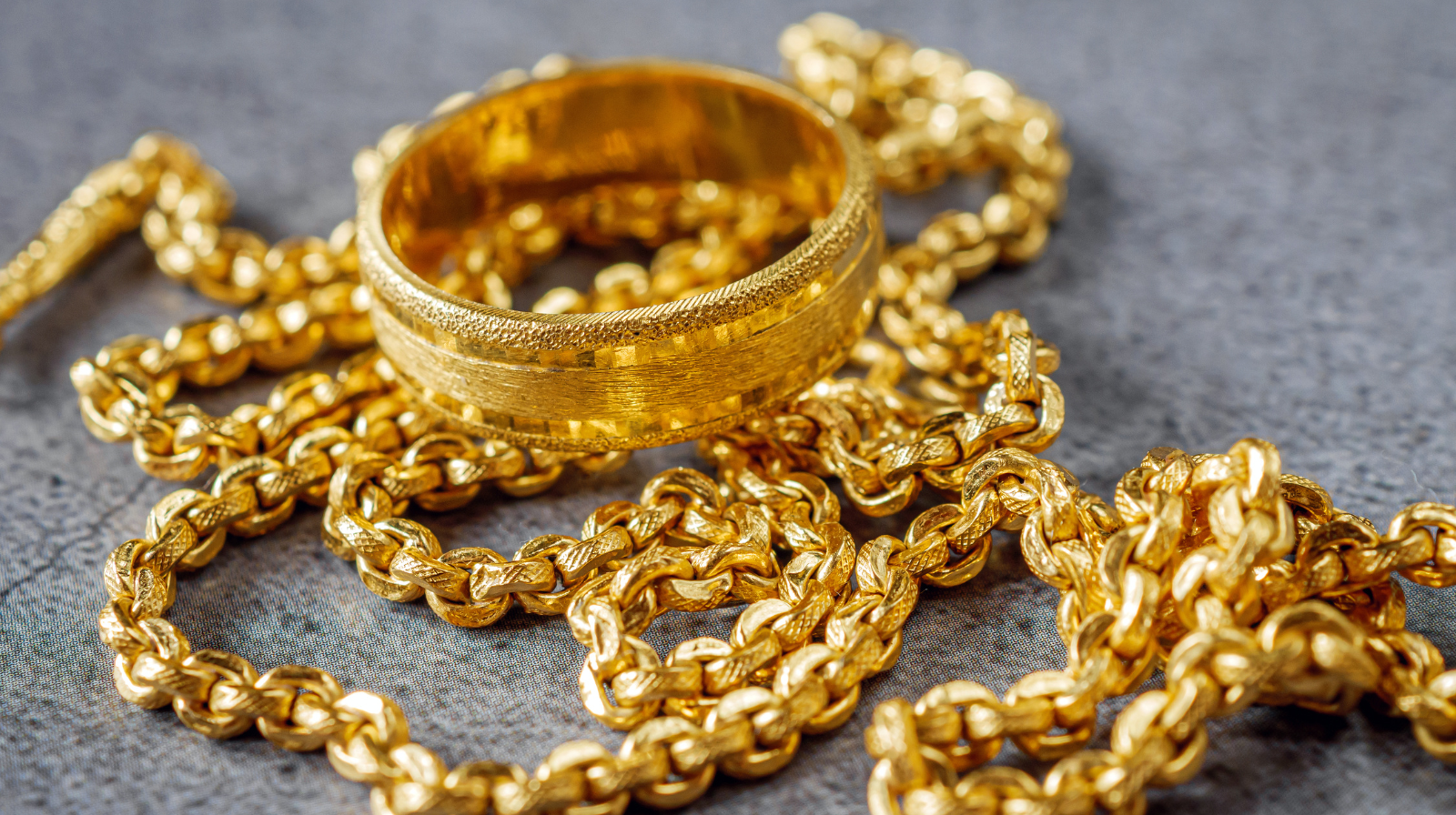
Coastal living offers undeniable beauty, but salt air, humidity, and fluctuating temperatures can be challenging for fine jewelry. Gold and silver pieces worn near the ocean require more thoughtful care to preserve their appearance and structural integrity over time. Understanding how coastal conditions affect jewelry allows owners to enjoy their favorite pieces—without accelerating wear or damage.
At Lexaco, jewelry is selected and crafted with coastal lifestyles in mind, but proper care remains essential for long-term beauty.
Coastal air contains higher levels of salt and moisture. Salt particles settle onto jewelry surfaces and, when combined with humidity, can accelerate oxidation—especially in silver. Even gold alloys are affected, as the non-gold metals within them can react to moisture and salt exposure over time.
Daily exposure may seem harmless, but repeated contact gradually dulls finishes, weakens clasps, and increases cleaning needs. Jewelry designed for frequent wear still benefits significantly from proactive care in coastal climates.
Gold is more resistant to corrosion than many metals, but it is not immune—particularly when alloyed. In coastal environments, preventative care helps gold retain its luster and strength.
Avoid wearing gold jewelry during direct exposure to saltwater, such as swimming or boating. Salt residue left behind can build up in chain links and settings. After wearing gold jewelry near the coast, gently wipe it with a soft, dry cloth to remove moisture and residue.
Occasional gentle cleaning with warm water and mild soap helps remove invisible salt buildup. Always dry thoroughly afterward.
Silver is more reactive than gold, making it especially vulnerable in humid, salty air. Tarnish may appear faster in coastal environments, but proper care can slow the process dramatically.
Store silver jewelry in airtight containers or anti-tarnish pouches when not in use. Limiting air exposure is key. After wearing silver outdoors, wipe it down before storing to remove moisture and skin oils.
Routine maintenance prevents tarnish from becoming stubborn. Regular light cleaning is far better than infrequent, aggressive polishing.
Certain activities accelerate wear regardless of metal type. Swimming, gardening, heavy perspiration, or applying sunscreen and lotions can leave residue that reacts with metals.
Before engaging in these activities, remove jewelry whenever possible. This is especially important for detailed pieces like nautical necklaces, where salt and debris can collect in small crevices.
Preventive removal preserves both appearance and structural integrity over time.
Proper storage is one of the most effective ways to protect jewelry in coastal climates. Keep jewelry away from open air, windows, or bathrooms where humidity is higher.
Separate pieces to avoid scratching, especially gold and silver chains. Soft-lined boxes or individual pouches minimize friction and environmental exposure.
For sentimental pieces like a cape cod love knot bracelet, consistent storage habits help maintain its symbolism and condition simultaneously.
Frequent, gentle cleaning is preferable to aggressive polishing. Over-polishing can wear down metal and soften detail over time.
Use jewelry-specific cleaning cloths for routine care. For deeper cleaning, mild soap and water are sufficient for most gold and silver pieces. Avoid harsh chemicals or abrasive cleaners, which can damage finishes.
Professional cleaning may be appropriate occasionally, especially for frequently worn pieces.
Coastal environments can accelerate wear patterns. Periodically inspect clasps, links, and settings for signs of loosening or thinning.
Catching small issues early prevents more serious damage later. Jewelry worn daily benefits from occasional professional inspection to ensure continued safety and comfort.
Well-maintained jewelry lasts longer and remains enjoyable to wear.
Jewelry care is not about perfection—it is about consistency. Small, regular actions preserve jewelry far more effectively than occasional intensive care.
Wiping jewelry after wear, storing it properly, and removing it during high-exposure activities collectively make a substantial difference in coastal environments.
At Lexaco, jewelry is chosen with the understanding that coastal living is part of everyday life for many wearers. Designs emphasize durability and wearability, but thoughtful care ensures that beauty and meaning endure.
Gold and silver jewelry can thrive near the ocean when cared for intentionally. With simple habits and awareness of coastal conditions, your jewelry remains not just protected—but ready to be worn, appreciated, and passed on for years to come.